

Operation Process and Working Principle of Dolomite Material Handling
Shandong HeadPowder Engineering Co., Ltd., commonly known as HeadPowder, specializes in the design, manufacturing, and implementation of material handling systems tailored for industries processing dolomite. Dolomite, a calcium magnesium carbonate mineral, is widely used in various applications including steel production, glass manufacturing, and chemical processing. Efficient handling of dolomite is crucial for optimizing production efficiency and ensuring safety in industrial operations. This article provides a detailed exploration of the operation process and working principle of dolomite material handling systems, highlighting the key components and their functions.
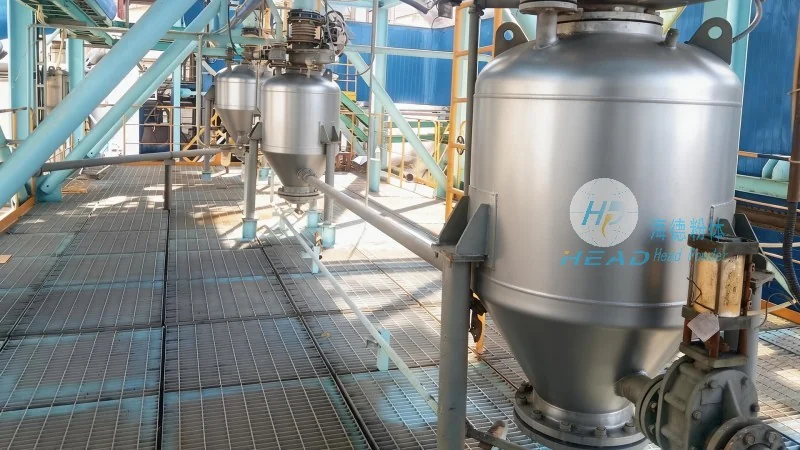
Dolomite Material Handling: Overview of Operation Process
The operation process of dolomite material handling typically involves several sequential steps, each designed to ensure the safe and efficient movement of the material from its source to its destination. The process begins with the collection or extraction of dolomite from its raw source, such as a quarry or mine. This initial stage may involve bulk material handling equipment like front-end loaders or excavators to load the dolomite into transport vehicles or directly into storage silos.
Once the dolomite is collected, it is transported to the processing facility. During this stage, the material may undergo preliminary screening or sorting to remove impurities or oversized particles. This step is critical for maintaining the quality of the final product and preventing damage to downstream processing equipment. After screening, the dolomite is transferred to the primary storage area, often a large silo or hopper, where it is stored until needed for processing.
The next phase involves the transfer of dolomite from the storage silo to the processing equipment. This is usually achieved through a series of conveyor systems, including belt conveyors, screw conveyors, or bucket elevators. The choice of equipment depends on the specific characteristics of the dolomite, such as its size, moisture content, and bulk density. For example, belt conveyors are commonly used for horizontal or slight incline transport due to their high capacity and low maintenance requirements. Screw conveyors are ideal for vertical or inclined transport, while bucket elevators are suitable for vertical lifting of bulk materials.
Working Principle of Dolomite Material Handling Systems
The working principle of dolomite material handling systems revolves around the mechanical movement of the material using various equipment. Each component plays a specific role in the overall process, ensuring that the material is moved efficiently and safely. The primary components include feeders, conveyors, elevators, and discharge mechanisms, all working in coordination to achieve the desired material flow.
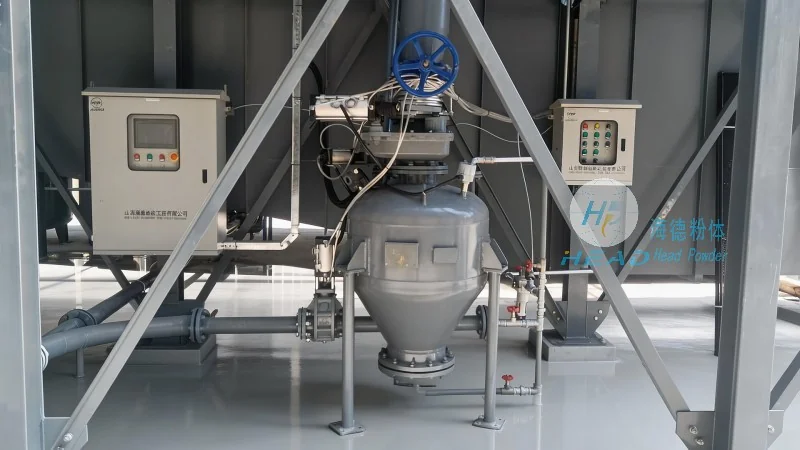
Feeders are the initial components that control the flow rate of dolomite from the storage silo to the conveyor system. They are designed to provide a consistent and controlled feed, preventing overloading or underloading of the conveyor. Common types of feeders include vibratory feeders and belt feeders, which adjust the material flow based on the conveyor speed and load requirements. The feeder ensures that the dolomite is evenly distributed onto the conveyor belt, minimizing the risk of blockages or uneven loading.
Belt conveyors are the backbone of most dolomite material handling systems. They consist of a continuous belt loop supported by rollers, with the material placed on the belt surface. The belt is driven by a motor, which moves the material along the conveyor path. The speed of the belt can be adjusted to control the material flow rate, allowing for precise control over the processing speed. The belt conveyor is capable of handling large volumes of dolomite, making it suitable for long-distance transport and integration with other processing equipment.
Screw conveyors operate on a similar principle but use a rotating screw (auger) to move the material. The screw is enclosed in a trough, and as it rotates, it pushes the dolomite forward. Screw conveyors are particularly effective for vertical or inclined transport, as they can lift the material against gravity. They are also suitable for handling materials with high moisture content or sticky properties, as the screw design prevents material buildup and ensures smooth flow.
Bucket elevators, also known as chain conveyors, use a series of buckets attached to a chain or belt. The buckets are filled with dolomite as they travel up a vertical or inclined track, and then discharged at the top. This method is ideal for vertical lifting of heavy bulk materials, as it can handle large quantities with minimal space requirements. The bucket elevator is often used in combination with other equipment to form a complete material handling system.
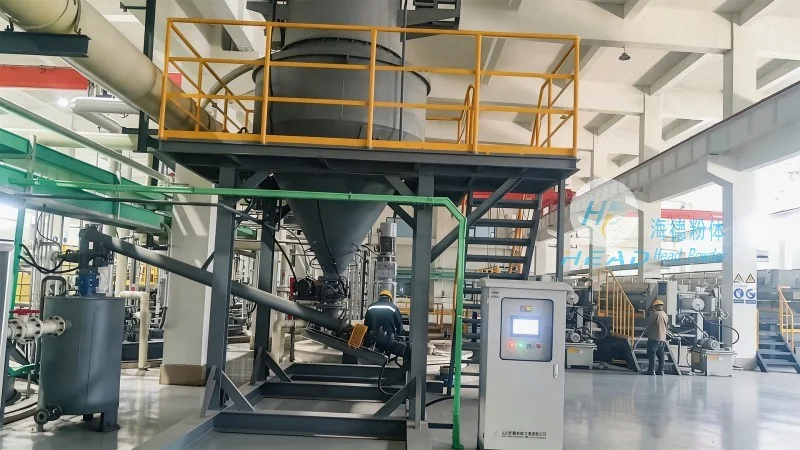
Key Components and Their Functions in Dolomite Handling
Each component of the dolomite material handling system has a specific function that contributes to the overall efficiency and reliability of the operation. Understanding these components is essential for optimizing the system's performance and ensuring long-term operation. The key components include feeders, conveyors, elevators, and control systems, each playing a critical role in the material flow process.
Feeders are responsible for controlling the initial material flow from the storage silo to the conveyor system. They ensure that the dolomite is fed at a consistent rate, preventing overloading or underloading of the conveyor. This control is crucial for maintaining the stability of the entire system and preventing equipment damage. Vibratory feeders, for example, use an oscillating motion to move the material, while belt feeders use a moving belt to transfer the material. Both types are adjustable and can be customized to meet the specific requirements of the dolomite handling process.
Belt conveyors are the primary means of horizontal or slight incline transport. They consist of a belt loop supported by rollers, with the material placed on the belt surface. The belt is driven by a motor, which moves the material along the conveyor path. The speed of the belt can be adjusted to control the material flow rate, allowing for precise control over the processing speed. Belt conveyors are capable of handling large volumes of dolomite, making them suitable for long-distance transport and integration with other processing equipment. They are also relatively low maintenance, as the main components are the belt and rollers, which can be easily replaced.
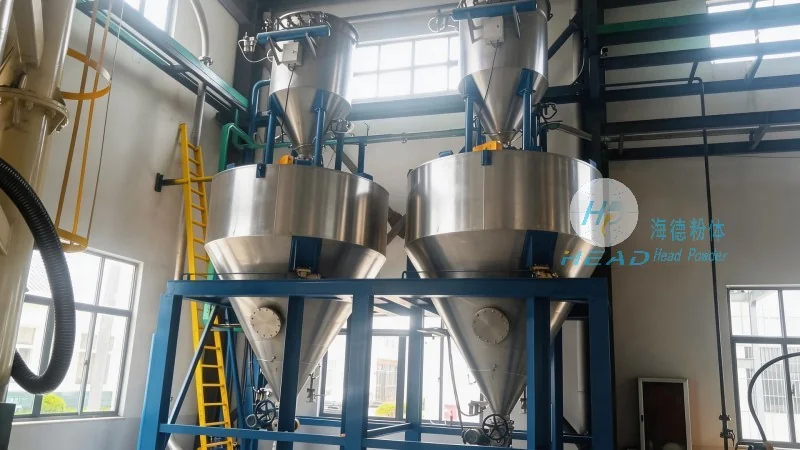
Screw conveyors are used for vertical or inclined transport, as well as for mixing or dosing applications. They use a rotating screw to move the material, which is enclosed in a trough. The screw rotates, pushing the dolomite forward and upward. Screw conveyors are ideal for handling materials with high moisture content or sticky properties, as the screw design prevents material buildup and ensures smooth flow. They are also capable of handling a wide range of particle sizes, making them versatile for different dolomite applications.
Bucket elevators are used for vertical lifting of bulk materials. They consist of a series of buckets attached to a chain or belt, which travel up a vertical or inclined track. The buckets are filled with dolomite as they ascend and discharged at the top. This method is efficient for lifting heavy materials over significant heights, as it requires less space compared to other lifting methods. Bucket elevators are often used in combination with other equipment to form a complete material handling system, such as in cement plants or mining operations.
Conclusion and Company Role
Efficient dolomite material handling is essential for optimizing production efficiency and ensuring safety in industrial operations. The operation process involves several sequential steps, from collection and storage to transport and processing, each requiring specialized equipment and careful control. The working principle of these systems relies on the mechanical movement of the material using components like feeders, conveyors, and elevators, all working in coordination to achieve the desired material flow.
Shandong HeadPowder Engineering Co., Ltd. specializes in the design and implementation of such material handling systems, providing customized solutions tailored to the specific needs of dolomite processing industries. With a focus on efficiency, reliability, and safety, HeadPowder ensures that its systems meet the highest standards of performance and durability. The company's expertise in material handling technology enables it to deliver solutions that enhance production capacity, reduce operational costs, and improve overall operational safety. Based in Shandong, China, HeadPowder serves a wide range of industries, including steel, glass, and chemical manufacturing, providing reliable and efficient dolomite handling solutions.