

Operation Process and Working Principle of Silicate Material Conveying
HeadPowder, a leading enterprise in the field of material handling solutions, specializes in the design, manufacturing, and implementation of efficient systems for transporting silicate materials. This article provides a comprehensive overview of the operational process and working principles behind these systems, highlighting the technical aspects and practical applications that ensure reliable and effective material conveyance.
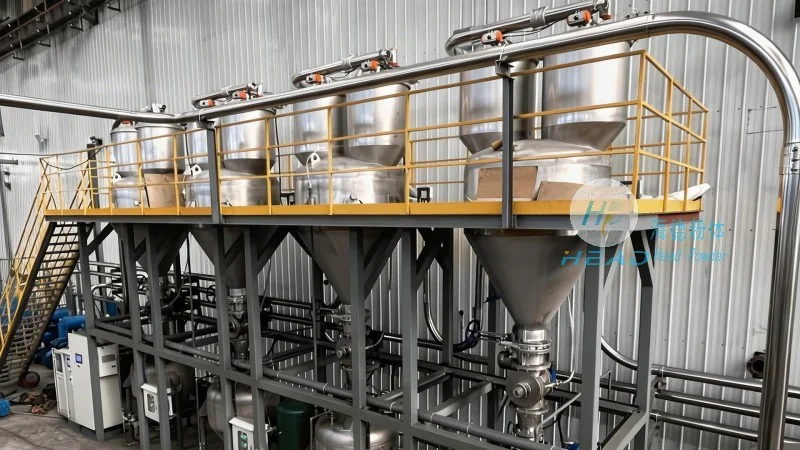
Company Profile and Expertise
HeadPowder, operating under the full name Shandong HeadPowder Engineering Co., Ltd., is headquartered in Shandong, China. With a strong commitment to innovation and quality, the company has established itself as a trusted provider of customized material handling solutions tailored to the unique needs of the silicate industry. Our team of experienced engineers and technicians leverages advanced technology and industry best practices to develop systems that optimize material flow, enhance productivity, and ensure compliance with safety and operational standards.
The Operational Process of Silicate Material Conveying
The operation of silicate material conveying systems typically involves several key stages, each designed to ensure the efficient and safe movement of materials from the point of origin to the destination. The process begins with the collection and preparation of the silicate materials, which may include raw minerals, processed powders, or other forms of silicate-based substances. This initial stage often involves storage in bulk containers or silos, where the materials are held until they are ready for transport.
Once the materials are prepared, the conveying process commences. This stage involves the use of various equipment such as belt conveyors, screw conveyors, or pneumatic systems, depending on the specific characteristics of the silicate material and the operational requirements. For example, belt conveyors are commonly used for transporting bulk silicate powders over long distances, while screw conveyors are ideal for handling materials with higher moisture content or those that require more precise control over the conveying speed. Pneumatic systems, on the other hand, are suitable for transporting fine silicate powders in a dust-free environment, minimizing the risk of contamination and ensuring product integrity.
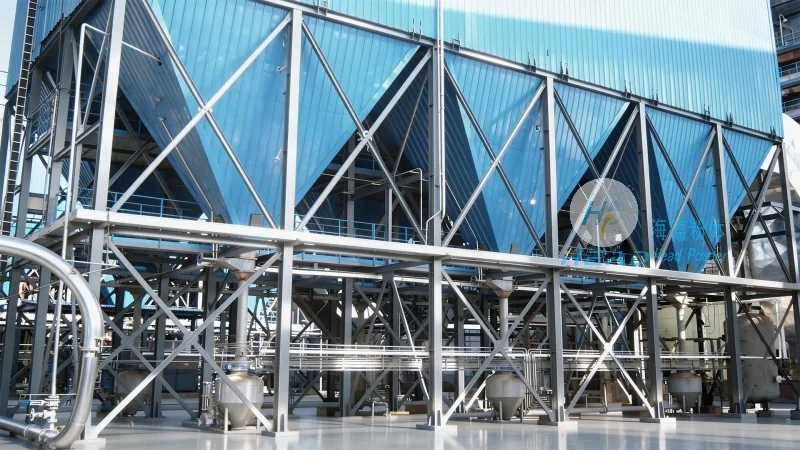
During the conveying process, several critical parameters are monitored to maintain optimal performance. These include the speed of the conveyor, the tension of the belt or screw, and the pressure within pneumatic systems. Advanced control systems are often integrated into the operation to automatically adjust these parameters based on real-time feedback, ensuring consistent and reliable material flow. Additionally, safety features such as emergency stop buttons, overload protection, and material detection sensors are incorporated to prevent accidents and protect both personnel and equipment.
Working Principles of Silicate Material Conveying Systems
The working principles of silicate material conveying systems are based on fundamental engineering concepts that govern the movement of bulk materials. The primary principle is the transfer of energy from the driving mechanism to the conveying medium (such as a belt or screw), which then moves the material along the system. For belt conveyors, the driving motor rotates the pulleys, which in turn pulls the belt and transports the material placed on it. The angle of inclination and the length of the conveyor are carefully designed to match the material's properties, ensuring that the material moves smoothly without slipping or falling off.
Screw conveyors operate on a similar principle, where a rotating screw (or auger) pushes the material forward through a cylindrical housing. The pitch and diameter of the screw are selected based on the material's flow characteristics, with larger diameters and wider pitches being used for materials with higher bulk density or those that tend to stick to the screw surface. The speed of the screw is controlled to maintain a consistent flow rate, and the system is often equipped with a discharge mechanism at the end to release the material into the next processing stage.
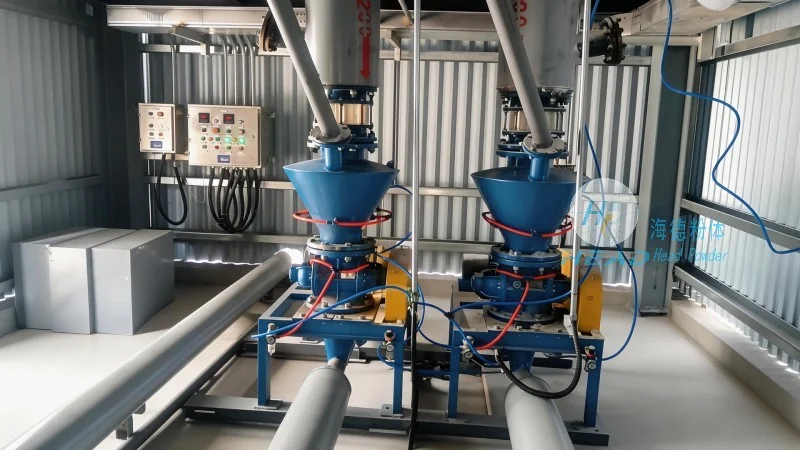
Pneumatic conveying systems utilize compressed air to transport materials through a pipeline. The working principle involves creating a pressure differential between the inlet and outlet of the system, which draws the material into the air stream. The air and material mixture is then carried through the pipeline to the destination, where the material is separated from the air using a cyclone or other filtration device. This method is particularly effective for fine silicate powders, as it minimizes dust generation and allows for the transport of materials over long distances without the need for mechanical components that could cause wear or contamination.
Key Considerations for Silicate Material Conveying
When designing and implementing silicate material conveying systems, several factors must be considered to ensure optimal performance and longevity. The first consideration is the physical properties of the silicate material, including its particle size distribution, bulk density, moisture content, and flow characteristics. These properties directly impact the choice of conveying equipment and the system's design parameters. For example, materials with high moisture content may require special handling to prevent caking or blockages, while those with abrasive properties may necessitate the use of wear-resistant materials for the conveyor components.
Another critical factor is the operational environment, including the ambient temperature, humidity, and the presence of corrosive substances. The system must be constructed from materials that are resistant to these conditions to ensure durability and prevent degradation over time. Additionally, the layout of the conveying system, including the number of bends, the height of the incline, and the overall length, must be optimized to minimize energy consumption and maximize efficiency. Proper maintenance and regular inspections are also essential to prevent system failures and ensure consistent performance.