

Operation Process and Working Principle of Sodium Carbonate Material Handling
At Shandong HeadPowder Engineering Co., Ltd., we specialize in the design, manufacturing, and implementation of efficient material handling systems tailored for sodium carbonate applications. Our expertise ensures that the transportation and processing of this critical chemical are carried out with precision, reliability, and adherence to industry standards. This article delves into the operational process and underlying principles that govern the effective handling of sodium carbonate, highlighting the key components and methodologies employed in our systems.
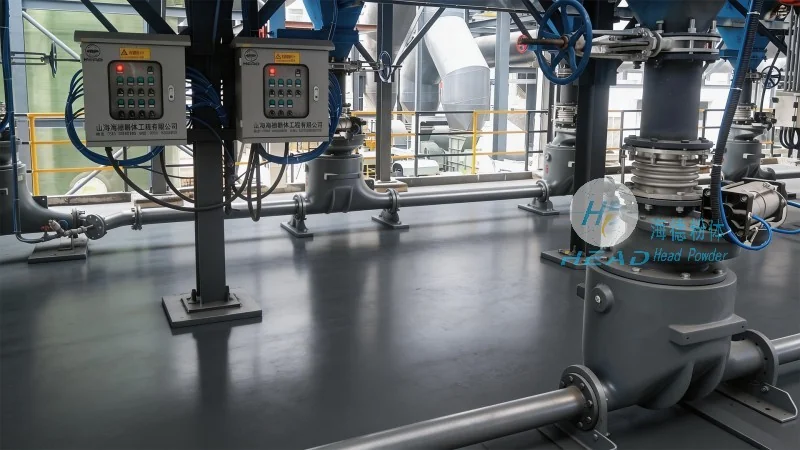
Company Overview: HeadPowder
HeadPowder, a leading name in the material handling industry, is dedicated to providing innovative solutions for bulk material transport. With a strong presence in China, particularly in Shandong, our company has built a reputation for delivering high-quality equipment and services. Our team of engineers and technicians brings extensive experience in chemical processing and material handling, ensuring that every system we develop meets the specific needs of our clients. The company’s commitment to quality and customer satisfaction is reflected in the robust and reliable systems we produce.
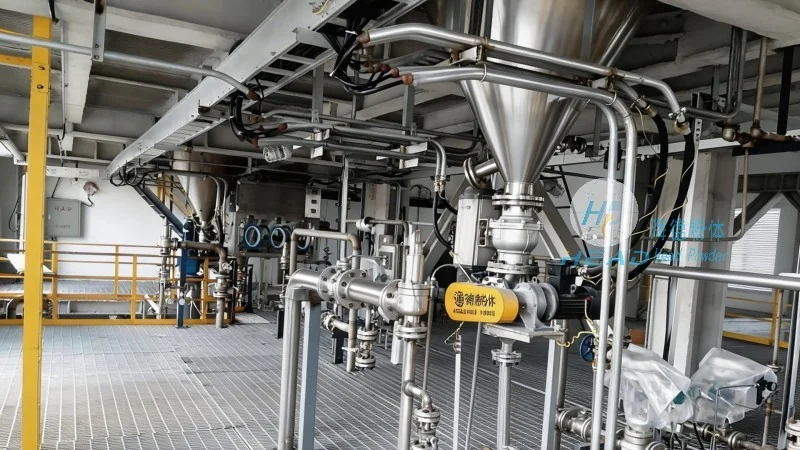
Key Components of Sodium Carbonate Material Handling Systems
The material handling systems for sodium carbonate typically consist of several critical components that work in tandem to ensure smooth operation. These include feeders, conveyors, storage silos, and control systems. Each component plays a vital role in the overall process, from the initial intake of raw material to its final delivery to processing units. The feeders are designed to handle the bulk density and flow characteristics of sodium carbonate, ensuring consistent feeding rates. Conveyors, often in the form of belt or screw types, transport the material efficiently over long distances. Storage silos provide temporary storage, allowing for buffer capacity and controlled discharge. The control systems integrate sensors and automation to monitor and adjust the process parameters in real-time, optimizing performance and safety.
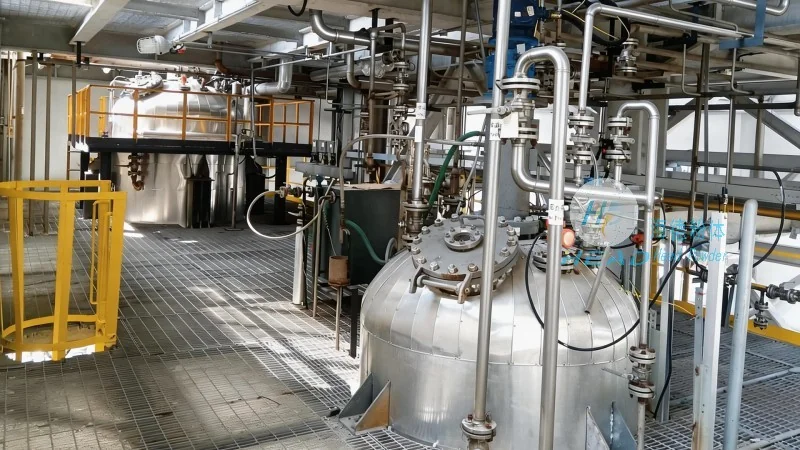
Operation Process of Sodium Carbonate Material Handling
The operation process of sodium carbonate material handling begins with the intake of raw material from a storage area or delivery truck. The material is then fed into a hopper or feeder, where it is conditioned to ensure uniform flow. From the feeder, the material is conveyed to the storage silo or directly to the processing plant. The conveyor system may include multiple sections, such as a primary conveyor to transport the material from the intake to the storage area, and a secondary conveyor to move it from the silo to the processing unit. The control system continuously monitors the flow rate, pressure, and other parameters, adjusting the feeder speed or conveyor speed as needed to maintain optimal operation. This dynamic control ensures that the material is handled efficiently, minimizing downtime and maximizing throughput.
Working Principle of the Material Handling System
The working principle of the sodium carbonate material handling system is based on mechanical and pneumatic principles, combined with advanced control technologies. The system operates by converting the potential energy of the material into kinetic energy through the use of conveyors and feeders. The feeders use gravity or mechanical force to move the material, while the conveyors use friction or air pressure to transport it. The control system uses sensors to detect the level of material in the silo, the speed of the conveyor, and the pressure in the system. This data is processed and used to adjust the system parameters, ensuring that the material is handled safely and efficiently. The system is designed to be flexible, allowing for adjustments to accommodate different material types or processing requirements. This adaptability is crucial for maintaining productivity and meeting the demands of various industrial applications.
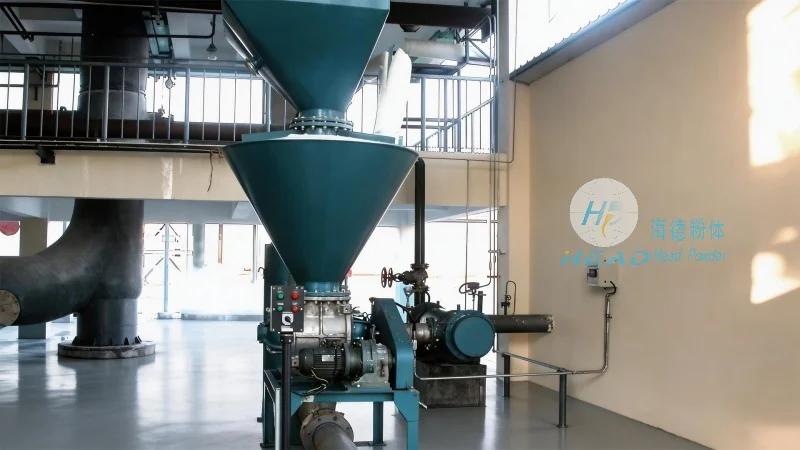
Benefits of Using HeadPowder's Material Handling Solutions
Implementing a well-designed material handling system for sodium carbonate offers several benefits. Firstly, it enhances operational efficiency by reducing downtime and increasing throughput. The automated control systems minimize the need for manual intervention, leading to consistent performance. Secondly, it improves safety by reducing the risk of accidents associated with manual handling of bulk materials. The enclosed systems and proper ventilation help to prevent dust accumulation and ensure a safe working environment. Thirdly, it reduces operational costs by optimizing energy consumption and minimizing material waste. The efficient design of the system ensures that the material is handled with minimal loss, leading to cost savings over time. Finally, the durability and reliability of our systems provide long-term value, reducing the need for frequent maintenance and repairs.