

Operation Process and Working Principle of Glass Powder Material Handling
For industrial applications that involve the handling of glass powder, understanding the operation process and working principle of the material handling system is crucial. This article provides a detailed overview of how glass powder is efficiently transported, emphasizing the technical aspects and operational efficiency of the system. The focus is on the mechanisms that ensure safe and effective material handling, which is vital for maintaining productivity and product quality in glass manufacturing and related industries.
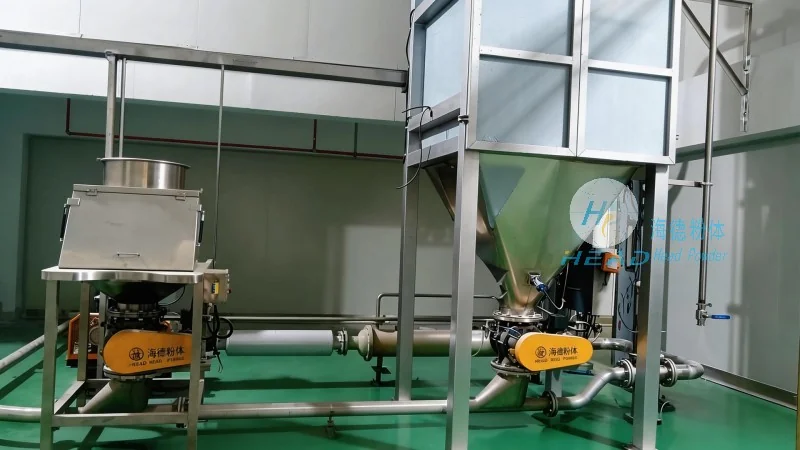
Key Components and Their Roles in Glass Powder Material Handling
The glass powder material handling system typically consists of several key components, each playing a specific role in the overall process. These components include feeders, conveyors, storage silos, and control systems. Feeders are responsible for regulating the flow of glass powder from the storage silo to the conveyor system. They ensure a consistent and controlled feed rate, preventing overloading or underfeeding that could affect the performance of downstream equipment. Conveyors, such as belt conveyors or pneumatic conveyors, transport the glass powder from one location to another within the facility. The choice of conveyor type depends on factors like the material's properties, the distance to be covered, and the required speed. Storage silos are used to store large quantities of glass powder, providing a stable and controlled environment that minimizes material degradation and contamination. Control systems, often integrated with sensors and automation technology, monitor the entire process, ensuring that all components operate within specified parameters and alerting operators to any deviations or issues.
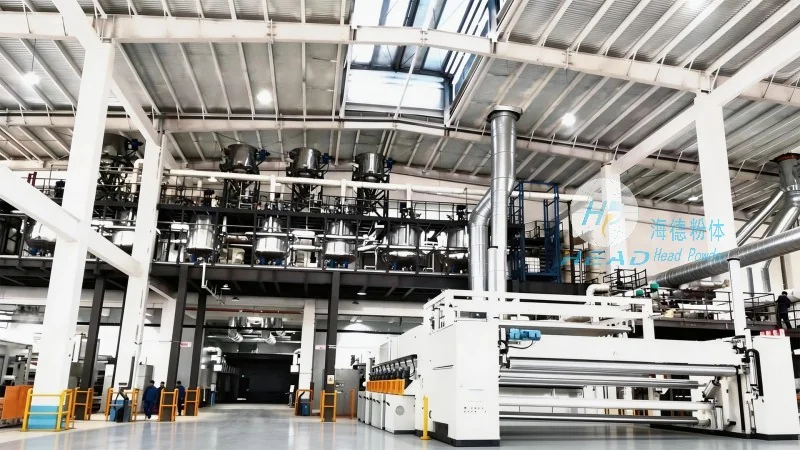
The Operation Process of Glass Powder Material Handling
The operation process of glass powder material handling begins with the loading of glass powder into the storage silo. The powder is typically stored in bulk, and the silo is designed to maintain the material's quality by controlling temperature and moisture levels. Once the silo is filled, the feeder system starts to draw the powder from the silo and feed it into the conveyor. The feeder regulates the flow rate, which is adjusted based on the production requirements. The conveyor then transports the glass powder to the processing area or to other parts of the facility. During the transport, the material may pass through additional equipment such as classifiers or separators, which can be used to sort the powder by size or other characteristics. The final step involves the discharge of the glass powder into the next processing unit or storage container. Throughout the process, the control system continuously monitors the flow rate, pressure, and other parameters to ensure smooth operation and prevent any disruptions.
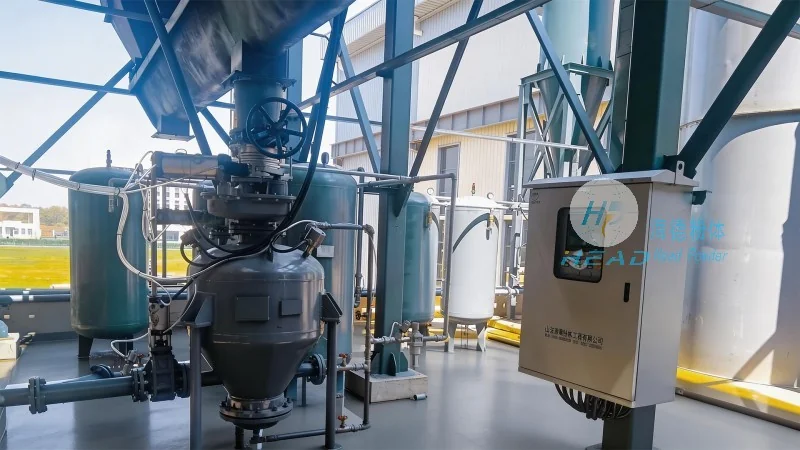
Working Principle of Glass Powder Material Handling Systems
The working principle of glass powder material handling systems is based on the principles of fluidization and mechanical transport. In pneumatic conveying systems, for example, the glass powder is suspended in a stream of air and transported through pipes. The air flow is controlled to maintain the powder in a fluidized state, ensuring that it moves smoothly without clogging or blockages. Mechanical conveyors, on the other hand, use physical contact to move the powder, such as belt conveyors that use friction to move the material along the belt. The choice of system depends on the specific requirements of the application, including the material's properties, the distance to be covered, and the desired speed. The working principle also involves the use of sensors and automation to monitor and control the process, ensuring that all components operate efficiently and safely. This integration of technology allows for real-time monitoring and adjustment, which enhances the overall performance and reliability of the system.
Ensuring Efficiency and Safety in Glass Powder Material Handling
Efficiency and safety are paramount in glass powder material handling. The system must be designed to minimize material loss, prevent contamination, and ensure the safety of operators and equipment. Regular maintenance and inspection of the components are essential to ensure that the system operates at optimal levels. The use of high-quality materials and components, such as corrosion-resistant materials for the silos and conveyors, helps to extend the lifespan of the equipment and reduce maintenance costs. Additionally, the control system plays a critical role in ensuring safety by monitoring for any abnormalities and taking corrective actions as needed. This proactive approach to maintenance and operation helps to minimize downtime and maximize productivity.
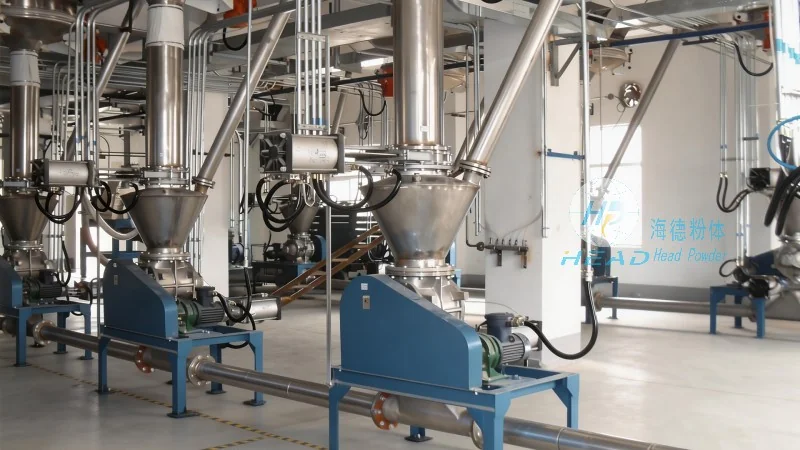
About Shandong HeadPowder Engineering Co., Ltd.
Shandong HeadPowder Engineering Co., Ltd., commonly known as headpowder, is a leading provider of material handling solutions for the glass industry. With a focus on innovation and quality, the company specializes in designing and manufacturing systems that efficiently handle glass powder and other fine materials. Headpowder's expertise lies in understanding the unique challenges of glass powder handling and developing customized solutions that meet the specific needs of each client. The company's facilities are located in Shandong, China, where it leverages advanced technology and skilled workforce to deliver high-performance material handling systems. By combining technical expertise with customer-centric approach, headpowder helps glass manufacturers improve their operational efficiency, reduce costs, and enhance product quality. The company's commitment to excellence has made it a trusted partner in the glass industry, providing reliable and efficient solutions for material handling needs.