

Operation Process and Working Principle of Plastic Powder Material Conveying
Plastic powder material conveying is a critical process in various industrial applications, particularly in the manufacturing and processing of plastic products. The efficient and reliable transportation of plastic powders from storage to processing equipment is essential for maintaining production efficiency and product quality. This article provides an overview of the operation process and working principles of plastic powder conveying systems, highlighting key components, operational steps, and the importance of proper system design.
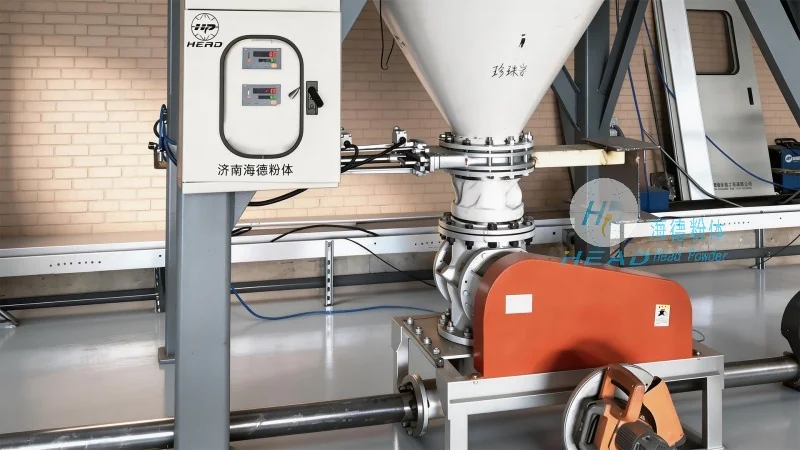
Key Components of Plastic Powder Conveying Systems
Plastic powder conveying systems typically consist of several core components that work in tandem to ensure smooth material transport. These components include hoppers or feeders for material storage and initial feeding, conveyor lines (such as screw conveyors, pneumatic conveyors, or belt conveyors), control systems for regulating flow and pressure, and safety mechanisms to prevent material blockages or system failures. Each component plays a vital role in the overall functionality of the conveying system, and their proper integration is crucial for optimal performance.
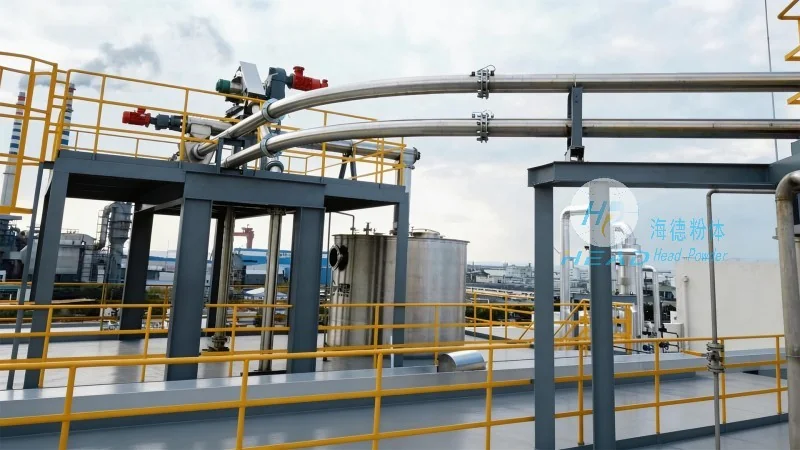
The Operation Process of Plastic Powder Conveying
The operation process of plastic powder conveying involves a series of sequential steps designed to move material from its source to the processing equipment. The process typically begins with the loading of plastic powder into the hopper or storage container. From there, the material is fed into the conveyor system, which may use mechanical or pneumatic forces to transport it along the conveyor line. For screw conveyors, the rotating screw mechanism pushes the powder forward, while pneumatic conveyors utilize air pressure to create a flow of material through the system. The control system monitors the flow rate, pressure, and other parameters to ensure consistent and controlled transport. As the material moves through the conveyor, it may pass through various processing stages, such as drying, mixing, or pre-processing, before reaching the final processing equipment. The entire process is designed to minimize material degradation, maintain product purity, and ensure efficient use of resources.
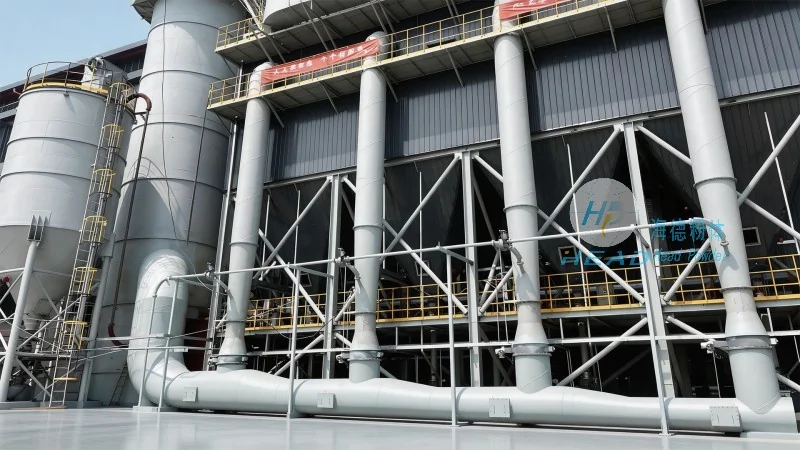
Working Principles of Plastic Powder Conveying
The working principles of plastic powder conveying systems are based on fundamental physics and engineering principles. For mechanical conveyors like screw or belt conveyors, the principle of mechanical force is applied, where the rotating components (screws or belts) exert a force on the material to move it forward. The design of the conveyor components, including the pitch and diameter of screws, the speed of rotation, and the angle of inclination, all affect the conveying efficiency and capacity. Pneumatic conveyors, on the other hand, rely on the principle of fluid dynamics, where air pressure is used to create a flow of material through the system. The pressure differential between the inlet and outlet of the conveyor drives the material forward, and the design of the ductwork and air nozzles is critical for maintaining consistent flow and preventing material segregation or blockages. Additionally, the control systems in these systems use sensors and feedback mechanisms to adjust the flow rate and pressure in real-time, ensuring that the conveying process remains stable and efficient under varying conditions.
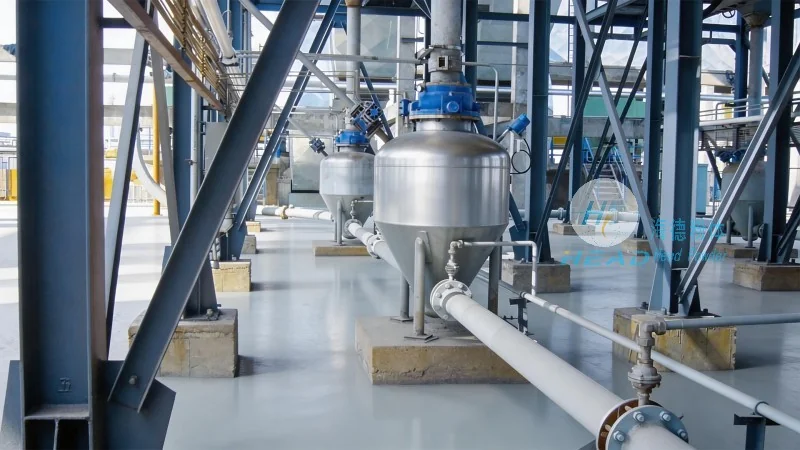
Importance of Proper System Design and Maintenance
Proper system design and regular maintenance are essential for the reliable operation of plastic powder conveying systems. The design of the system must consider factors such as the properties of the plastic powder (e.g., particle size, moisture content, flowability), the required conveying capacity, and the layout of the production facility. A well-designed system ensures that the material is conveyed without degradation, maintains product quality, and minimizes downtime. Regular maintenance, including cleaning of conveyor components, checking for wear and tear, and calibrating control systems, is necessary to prevent system failures and ensure long-term performance. Proper maintenance also helps to reduce energy consumption and operating costs, making the system more economical and environmentally friendly.