

Operating Process and Working Principle of Camellia Seed Material Conveying
Camellia seed material conveying systems are integral to the efficient processing of oilseeds in industrial settings. Understanding the operational dynamics and underlying principles of these systems is crucial for optimizing production workflows and ensuring consistent performance in oil extraction facilities. This article delves into the detailed operational process and working principles of camellia seed material conveying, providing insights into how these systems function to facilitate seamless material handling.
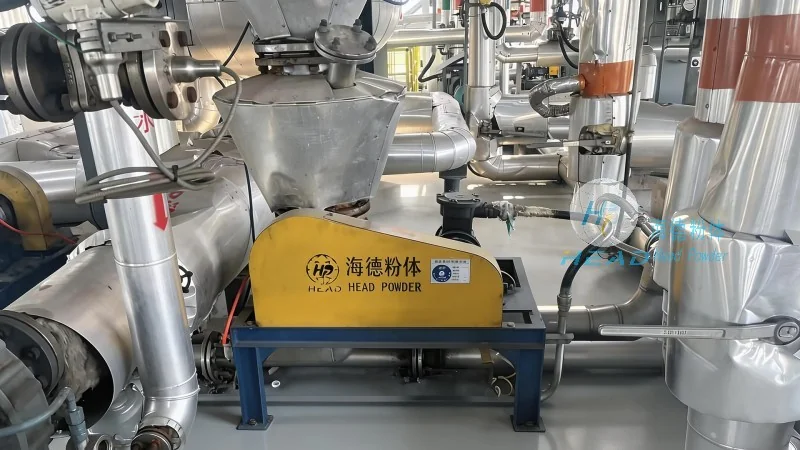
Company Profile: Shandong HeadPowder Engineering Co., Ltd.
HeadPowder, a leading engineering firm based in Shandong, China, specializes in the design, manufacturing, and installation of advanced material handling solutions for the food processing and agricultural industries. With a strong commitment to innovation and quality, the company has established itself as a trusted partner for businesses seeking reliable and efficient conveying systems. The expertise of HeadPowder engineers ensures that each system is tailored to meet the specific requirements of clients, whether for small-scale or large-scale oilseed processing operations.
Overview of Camellia Seed Material Conveying Systems
Camellia seed material conveying systems are engineered to transport camellia seeds from storage or processing areas to subsequent stages such as cleaning, crushing, or extraction. These systems typically consist of a combination of components, including feeders, conveyors, and control mechanisms, all working in harmony to ensure smooth material flow. The design of these systems is optimized to handle the unique characteristics of camellia seeds, which may vary in size, moisture content, and density, thereby ensuring minimal material loss and maximum throughput.
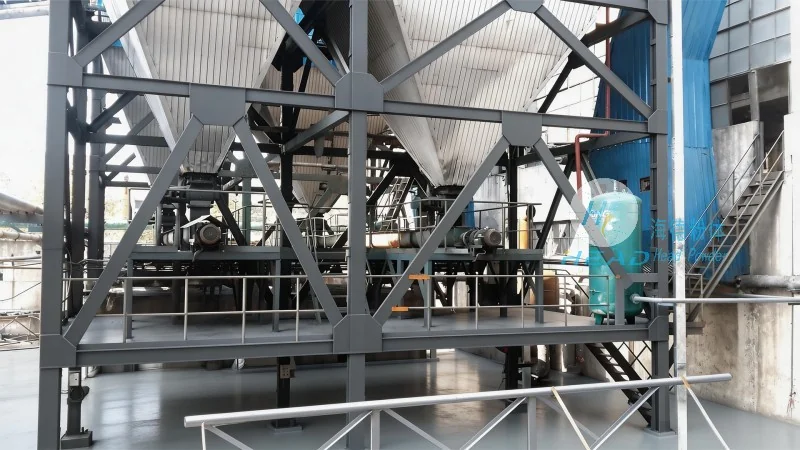
Key Components and Their Functions
The operational process of camellia seed material conveying begins with the intake of seeds into a hopper or storage bin. From there, a feeder mechanism, such as a rotary valve or screw conveyor, regulates the flow of seeds into the primary conveying system. The conveyor itself, often a belt or chain system, transports the seeds along a designated path, possibly elevated or inclined, to the next processing unit. Control systems, including sensors and programmable logic controllers (PLCs), monitor the flow rate, pressure, and other parameters to maintain consistent performance. Additionally, cleaning and screening components may be integrated to remove impurities before the seeds proceed to the next stage.
Working Principle of Material Conveying
The working principle of camellia seed material conveying relies on mechanical energy to move seeds through the system. The feeder component provides the initial force to initiate material movement, while the conveyor system utilizes gravity or motor-driven mechanisms to maintain continuous flow. In many systems, a combination of both is employed to ensure efficient transport, especially when dealing with varying seed characteristics. The control system plays a critical role in adjusting the speed and direction of the conveyor based on real-time feedback from sensors, thereby optimizing the conveying process and preventing bottlenecks or overloading.
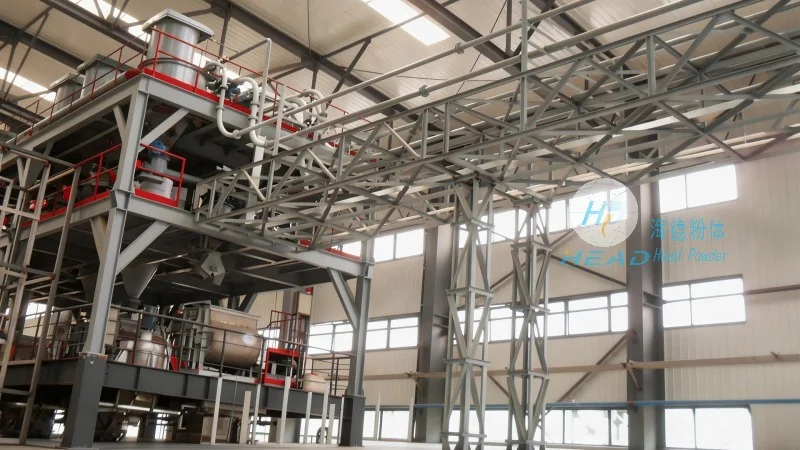
Operational Process Flow
The operational process of camellia seed material conveying can be broken down into several sequential steps. First, camellia seeds are stored in a bulk container or silo. The seeds are then discharged from the storage area into a hopper using a gravity or mechanical discharge system. Next, a feeder device, such as a rotary valve or a screw conveyor, regulates the flow of seeds into the primary conveyor. The conveyor transports the seeds to the processing unit, where they may undergo cleaning, sorting, or crushing. The system is designed to handle high volumes of seeds while maintaining minimal downtime and ensuring consistent quality. Each step is carefully engineered to minimize material degradation and maximize the efficiency of the overall process.
Advantages of Efficient Material Conveying
Efficient camellia seed material conveying offers several benefits to oilseed processing facilities. By ensuring a continuous and controlled flow of seeds, the system reduces the risk of material buildup and blockages, which can lead to equipment damage or production delays. Additionally, optimized conveying speeds and flow rates improve throughput, allowing facilities to process more seeds in less time. The integration of cleaning and screening components ensures that only high-quality seeds proceed to the extraction stage, enhancing the overall yield and quality of the final oil product. Furthermore, the use of advanced control systems enables real-time monitoring and adjustment, providing operators with the ability to respond quickly to changes in seed characteristics or system performance.
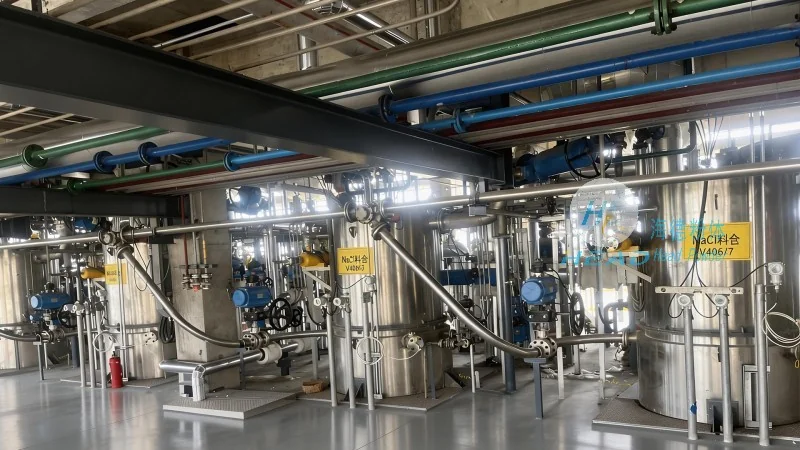
Maintenance and Troubleshooting
To ensure the long-term reliability and performance of camellia seed material conveying systems, regular maintenance is essential. This includes routine inspections of conveyor belts, bearings, and feeder mechanisms, as well as cleaning of hopper and bin interiors to prevent material accumulation and blockages. Proper lubrication of moving parts and timely replacement of worn components are critical to maintaining optimal operation. In the event of system issues, such as reduced flow or increased noise, troubleshooting steps should be followed systematically. Common issues may include clogged hoppers, misaligned conveyor belts, or faulty sensors, which can be addressed through visual inspections and adjustments. Regular maintenance and prompt troubleshooting help to minimize downtime and extend the lifespan of the conveying system.
Conclusion
Camellia seed material conveying systems are vital components of modern oilseed processing operations, enabling efficient and reliable transport of seeds from storage to processing stages. The operational process and working principles of these systems are designed to optimize material flow, minimize losses, and enhance overall production efficiency. With the expertise of companies like Shandong HeadPowder Engineering Co., Ltd., businesses can implement advanced conveying solutions tailored to their specific needs, ensuring consistent performance and high-quality output. By understanding and maintaining these systems effectively, facilities can achieve improved productivity and profitability in the extraction of camellia seed oil.