

The Operation Process and Working Principle of Cement Dry Ash Material Conveying
Cement dry ash material conveying is a critical process in industrial applications, particularly in the cement and construction sectors. This method involves the efficient transportation of dry ash or similar powdery materials from one location to another without the need for water or other binding agents. The process ensures minimal material loss, low energy consumption, and high operational efficiency, making it a preferred choice for bulk material handling. Understanding the operation process and working principle of such systems is essential for optimizing performance and ensuring reliable material transport in various industrial settings.
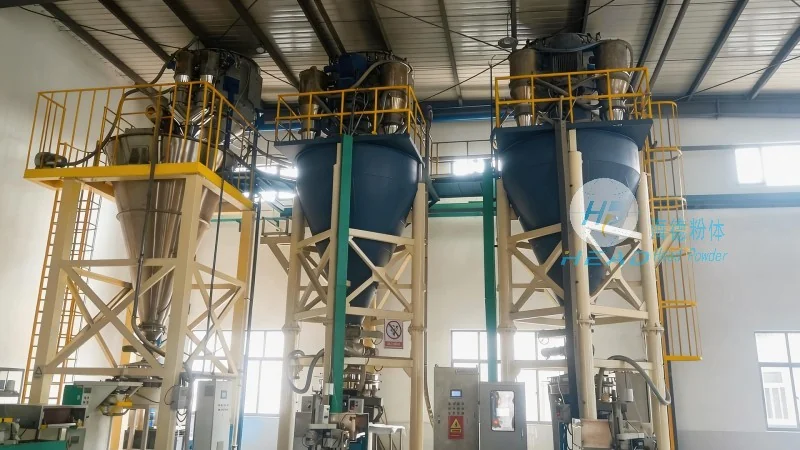
Company Overview: Shandong HeadPowder Engineering Co., Ltd.
HeadPowder, a leading engineering company based in Shandong, China, specializes in the design, manufacturing, and installation of advanced material handling systems. With a strong focus on innovation and quality, HeadPowder has established itself as a trusted partner for industries requiring efficient and reliable conveying solutions. The company’s expertise in cement dry ash material conveying systems is built on years of experience and a commitment to delivering customized solutions that meet the unique needs of clients. HeadPowder’s team of engineers and technicians work closely with clients to understand their operational requirements and develop tailored systems that enhance productivity and reduce operational costs.
Key Components in the Cement Dry Ash Conveying System
The cement dry ash material conveying system typically consists of several key components that work in tandem to ensure smooth and efficient material transport. These components include the material feeder, which is responsible for feeding the dry ash into the conveying line; the conveyor itself, which may be a pneumatic or mechanical system depending on the application; and the control system, which regulates the operation of the entire system. The material feeder ensures a consistent flow of material into the conveyor, while the conveyor transports the material to the desired destination. The control system monitors and adjusts the system parameters to maintain optimal performance and prevent issues such as blockages or overloading.
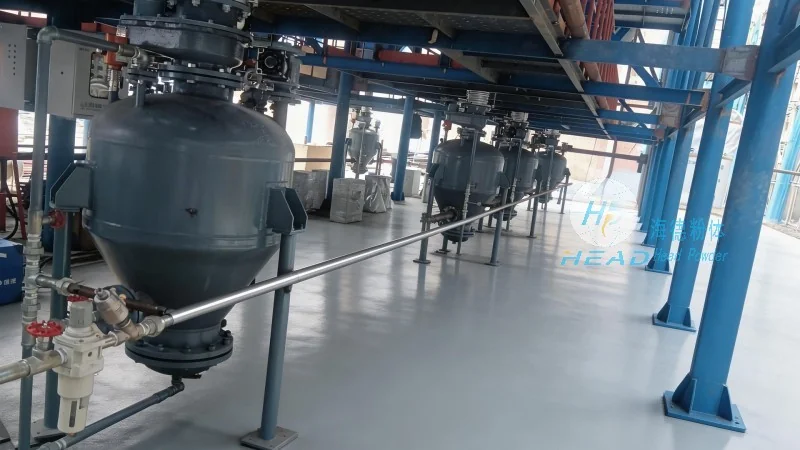
Detailed Operation Process of the System
The operation process of a cement dry ash material conveying system begins with the preparation of the material. The dry ash is typically stored in a hopper or silo, from which it is fed into the material feeder. The feeder then regulates the flow rate of the material into the conveyor. In a pneumatic conveying system, the material is mixed with air and transported through a pipeline. The air pressure and flow rate are carefully controlled to ensure the material moves smoothly without causing blockages. The conveying line may include bends, expansions, and other components that help direct the material to the destination. At the receiving end, the material is separated from the air and collected in a storage bin or silo. The entire process is automated, with the control system monitoring and adjusting the parameters in real-time to maintain consistent performance.
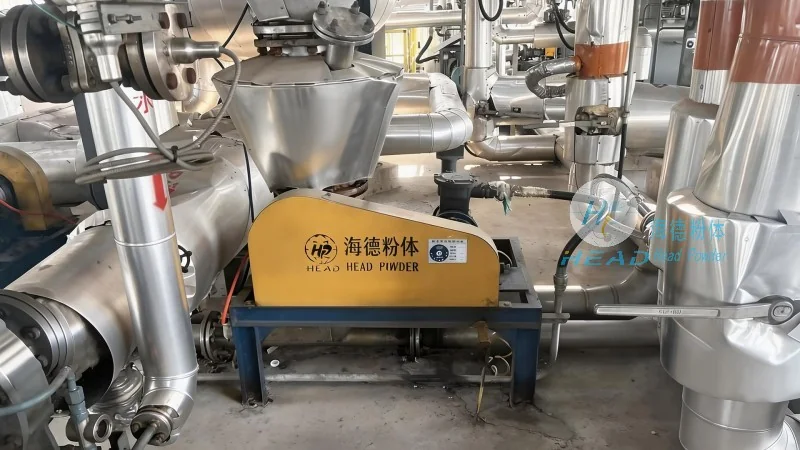
Working Principle Explained
The working principle of cement dry ash material conveying systems is based on the principles of fluid dynamics and material handling. In pneumatic conveying systems, the material is suspended in a stream of air and transported through the pipeline. The air pressure creates a flow that moves the material along the line, while the design of the pipeline and components ensures minimal friction and efficient transport. The system operates by creating a pressure differential between the feeding and receiving ends, which drives the material forward. The control system continuously monitors the pressure and flow rates to maintain the desired conditions. In mechanical conveying systems, such as screw conveyors or belt conveyors, the material is transported using mechanical components that move the material along the path. These systems are often used for shorter distances or when the material is more abrasive. The working principle involves the rotation of the conveyor components, which pushes the material forward through the system.
Benefits and Applications of Cement Dry Ash Material Conveying
Cement dry ash material conveying systems offer several benefits that make them ideal for industrial applications. These benefits include high efficiency, low maintenance costs, and the ability to handle large volumes of material. The systems are also flexible and can be customized to meet the specific needs of different industries. Applications of these systems include the transport of cement ash from power plants to cement production facilities, the handling of fly ash in construction projects, and the transportation of other powdery materials in various industrial processes. The systems are designed to be reliable and durable, with components that can withstand the harsh conditions of industrial environments. Overall, cement dry ash material conveying systems provide an effective and efficient solution for bulk material handling, contributing to improved productivity and reduced operational costs in various industrial settings.