

Operation Process and Working Principle of Limestone Powder Conveying Line
At Shandong HeadPowder Engineering Co., Ltd., we specialize in the design, manufacturing, and implementation of efficient limestone powder conveying systems. These lines are crucial for industries that rely on limestone as a raw material, such as cement production, chemical manufacturing, and environmental remediation. The following content outlines the typical operation process and working principles of a limestone powder conveying line, highlighting the key components and their functions.
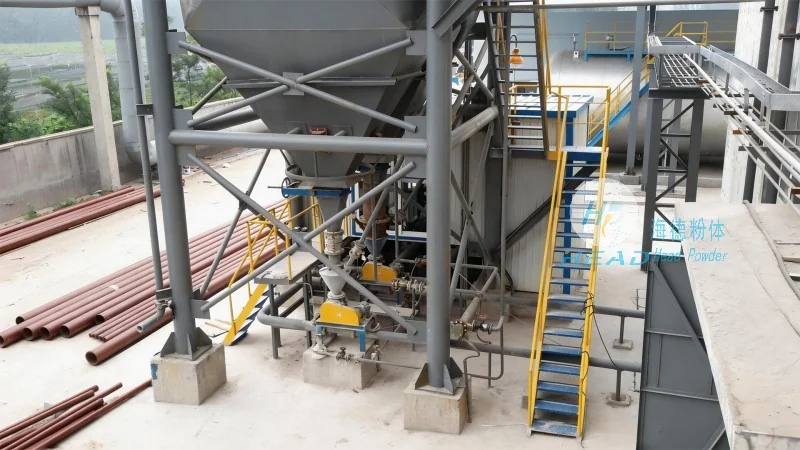
Key Components of a Limestone Powder Conveying Line
The limestone powder conveying line consists of several interconnected components that work together to transport limestone powder from the storage area to the processing or application point. The main components include:
- Storage Silo: A large storage tank where limestone powder is stored before transportation. This silo is typically made of steel or concrete and is equipped with a feeding mechanism to control the flow of material.
- Feeder: A device that regulates the flow of limestone powder from the storage silo. Common types include rotary feeders, vibratory feeders, and screw feeders, which ensure a consistent and controlled discharge rate.
- Pneumatic Conveying System: This is the core of the conveying line, utilizing air pressure to transport limestone powder through a network of pipes. The system includes a blower, air filters, and a control system to manage the air flow and pressure.
- Piping Network: A series of pipes that connect the feeder to the processing unit or application point. The pipes are usually made of stainless steel or plastic to prevent material buildup and corrosion.
- Control System: An automated system that monitors and controls the entire conveying process. This includes sensors for material level, air pressure, and flow rate, as well as a control panel to adjust settings and troubleshoot issues.
Operation Process of the Limestone Powder Conveying Line
The operation of a limestone powder conveying line follows a systematic sequence to ensure efficient and safe material transport. The process typically begins with the material being discharged from the storage silo into the feeder. The feeder then regulates the flow of limestone powder, which is then introduced into the pneumatic conveying system.
The blower generates a high-pressure air stream that carries the limestone powder particles through the piping network. The air and powder mixture travels to the destination point, where the powder is separated from the air using a separator or cyclone. The separated powder is then collected in a hopper or storage bin, while the air is filtered and returned to the system or released to the atmosphere.
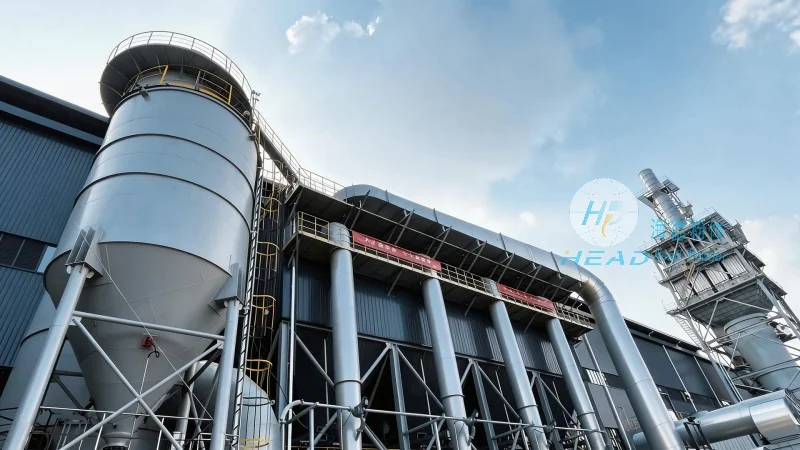
The control system plays a critical role in maintaining the optimal operation of the conveying line. It continuously monitors the material level in the silo, the pressure and flow rate of the air stream, and the status of the feeder and blower. If any parameter deviates from the set points, the control system automatically adjusts the settings to restore normal operation.
Working Principles of the Pneumatic Conveying System
The pneumatic conveying system operates on the principle of air flow and particle suspension. When the blower creates a high-pressure air stream, it generates a pressure differential that draws the limestone powder from the feeder into the pipe. The air velocity is maintained at a level that keeps the powder particles suspended in the air stream, preventing them from settling or clogging the pipes.
There are two main types of pneumatic conveying systems: dilute phase and dense phase. Dilute phase systems use lower air velocities and higher air-to-material ratios, suitable for long-distance and high-capacity transport. Dense phase systems use higher air velocities and lower air-to-material ratios, which are better for short-distance transport and handling of abrasive or fine powders.
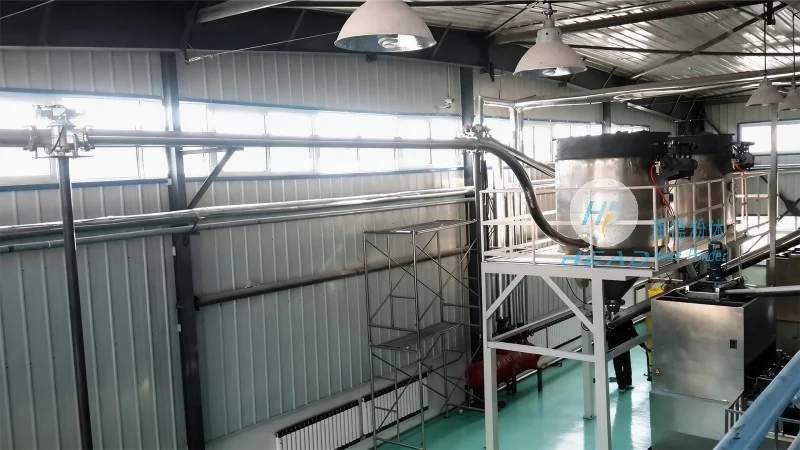
The choice of system depends on the specific requirements of the application, including the distance to be covered, the capacity of the conveying line, and the characteristics of the limestone powder (such as particle size, moisture content, and abrasiveness).
Benefits of Using a Limestone Powder Conveying Line
Implementing a limestone powder conveying line offers several advantages for industrial operations. First, it improves material handling efficiency by eliminating the need for manual or mechanical handling, reducing labor costs and the risk of material spillage. Second, it enhances safety by minimizing the exposure of workers to dust and the risk of accidents associated with manual handling. Third, it ensures consistent and uniform material flow, which is critical for maintaining the quality of the final product.
Additionally, the automated control system allows for precise control over the conveying process, reducing waste and optimizing resource utilization. The system can be integrated with other production processes, enabling seamless material flow from storage to processing or application.