

[LITHIUM BATTERY MATERIAL PNEUMATIC CONVEYING: WHAT IT IS AND ITS DESIGN PRINCIPLES]
HeadPowder, a leading engineering company based in Shandong, China, specializes in advanced material handling solutions tailored for the lithium battery industry. This article explores the concept of lithium battery material pneumatic conveying and delves into the core design principles that underpin such systems, providing a comprehensive overview for industry professionals and potential clients.
Understanding Lithium Battery Material Pneumatic Conveying
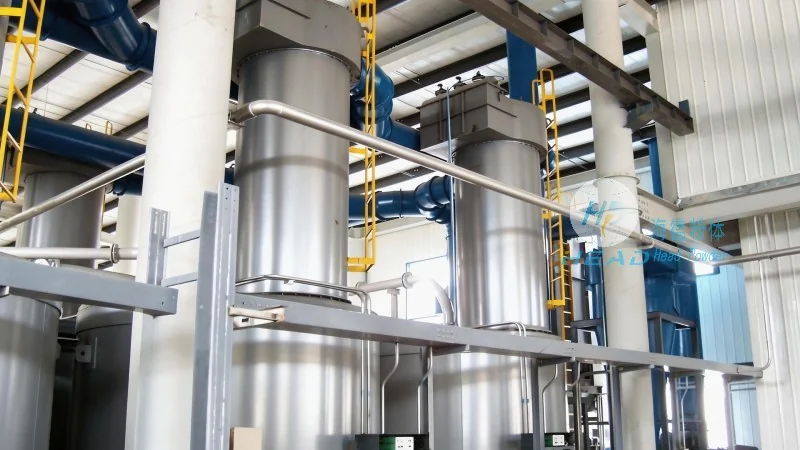
Lithium battery material pneumatic conveying refers to the process of transporting bulk materials, such as powders or granules used in lithium battery production, through a pipeline system using air or other gases as the conveying medium. This method offers several advantages over traditional mechanical conveying systems, including reduced equipment wear, lower maintenance requirements, and the ability to handle materials in a dust-free environment. The technology is particularly critical in the lithium battery manufacturing sector, where precision and contamination control are paramount.
Key Components of a Pneumatic Conveying System
A typical pneumatic conveying system for lithium battery materials consists of several essential components that work in concert to ensure efficient material transport. These components include a material hopper or feeder, a conveying line (usually made of stainless steel to prevent corrosion), a blower or compressor that generates the air flow, and a receiver or collection bin at the destination. Additional elements may include filters, cyclones, and control valves to regulate the flow and maintain system efficiency.
The Working Principle of Pneumatic Conveying
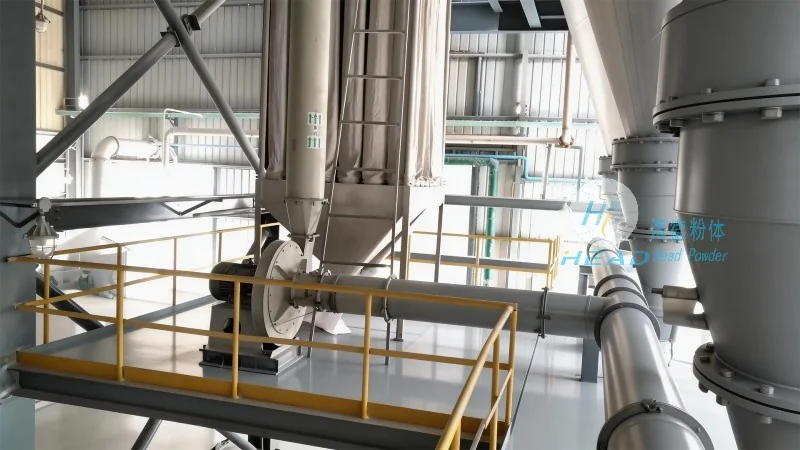
The operation of a pneumatic conveying system relies on the principle of fluidization and drag. In a pressure system, the blower creates a high-pressure air stream that pushes the material through the pipeline. The material is suspended in the air stream and transported to the receiver. In a vacuum system, the blower creates a low-pressure environment that draws the material from the source into the pipeline. The choice between pressure and vacuum systems depends on factors such as material characteristics, distance, and system layout.
Design Principles for Optimal Performance
Designing an effective pneumatic conveying system for lithium battery materials requires careful consideration of several key principles to ensure reliability, efficiency, and safety. First, the system must be tailored to the specific properties of the material, including its particle size, density, and flowability. This involves selecting appropriate hopper designs to prevent material bridging or caking, which can impede flow. Second, the air velocity must be optimized to prevent material degradation or blockages. Excessive velocity can cause particle attrition, while insufficient velocity may lead to system clogging. Third, the system layout should minimize bends and changes in direction to reduce pressure losses and maintain consistent flow rates. Additionally, incorporating features like in-line filters and cyclones is crucial for maintaining material purity and preventing dust accumulation in the system.
Applications in Lithium Battery Manufacturing
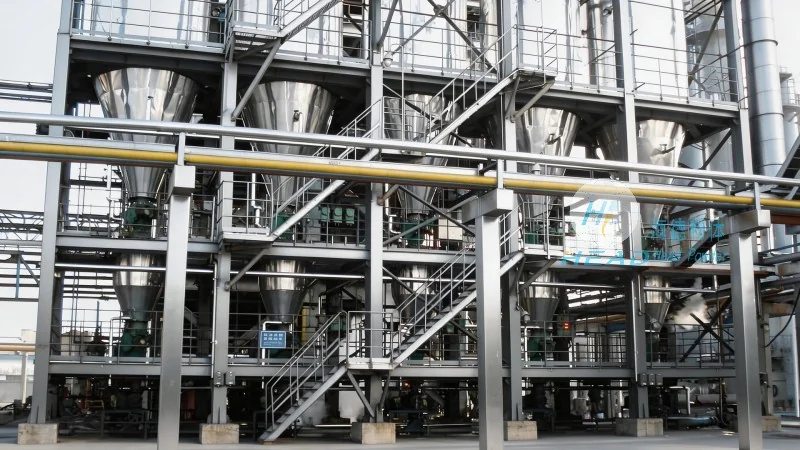
Lithium battery material pneumatic conveying is widely used in various stages of battery production, from raw material handling to component assembly. For instance, it is commonly employed to transport active materials like lithium carbonate or lithium hydroxide from storage silos to mixing and coating lines. The system can also be used to convey electrode powders to the coating machines, ensuring a consistent and controlled feed rate. Furthermore, pneumatic conveying is used to transport finished components or waste materials to storage or disposal areas, streamlining the overall production process.
Advantages of Pneumatic Conveying for Lithium Battery Materials
Compared to traditional mechanical conveying methods, pneumatic conveying offers several distinct advantages for handling lithium battery materials. One of the most significant benefits is the ability to maintain a dust-free environment, which is critical for preventing contamination in sensitive battery components. This reduces the risk of defects and improves product quality. Another advantage is the reduced need for mechanical parts, such as belts or screws, which can wear out over time and require frequent maintenance. Pneumatic systems also allow for more flexible system layouts, as they can be easily reconfigured to accommodate changes in production processes or facility expansions. Additionally, the systems can handle a wide range of material types and particle sizes, making them versatile for different battery production lines.
Considerations for System Integration and Maintenance
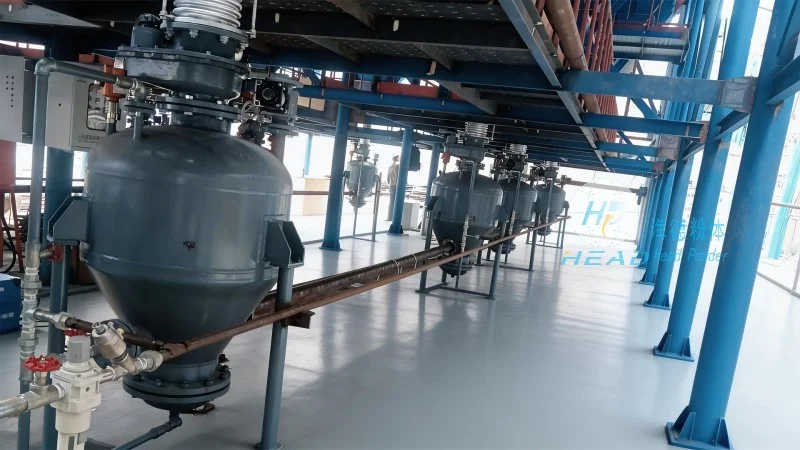
When integrating a pneumatic conveying system into a lithium battery manufacturing facility, several factors must be considered to ensure long-term performance and reliability. First, the system must be designed to meet the specific requirements of the production line, including material flow rates, distance, and environmental conditions. Proper sizing of the blower and pipeline diameter is essential to avoid excessive energy consumption or pressure losses. Second, regular maintenance is crucial to prevent system failures. This includes cleaning filters, checking for leaks in the pipeline, and inspecting the blower for wear and tear. Additionally, using high-quality materials for the pipeline and components, such as stainless steel, can extend the system's lifespan and reduce the risk of corrosion or material contamination.
Conclusion
Lithium battery material pneumatic conveying is a sophisticated and essential technology in the modern battery manufacturing industry. By understanding the design principles and components of such systems, manufacturers can optimize their material handling processes, improve product quality, and enhance operational efficiency. As the demand for lithium batteries continues to grow, the importance of reliable and efficient material conveying systems will only increase, making this technology a critical component of future battery production.