

[Cement Additive Pneumatic Conveying: What It Is and Its Design Principles]
Cement additive pneumatic conveying is a critical technology in the cement industry, facilitating the efficient and reliable transport of various additives such as fly ash, slag, and limestone. This method leverages the power of air to move bulk materials through a closed pipeline system, offering advantages like reduced equipment wear, improved safety, and enhanced process control. Understanding both the fundamental concept and the underlying design principles is essential for optimizing material handling in cement production facilities.
What is Cement Additive Pneumatic Conveying?
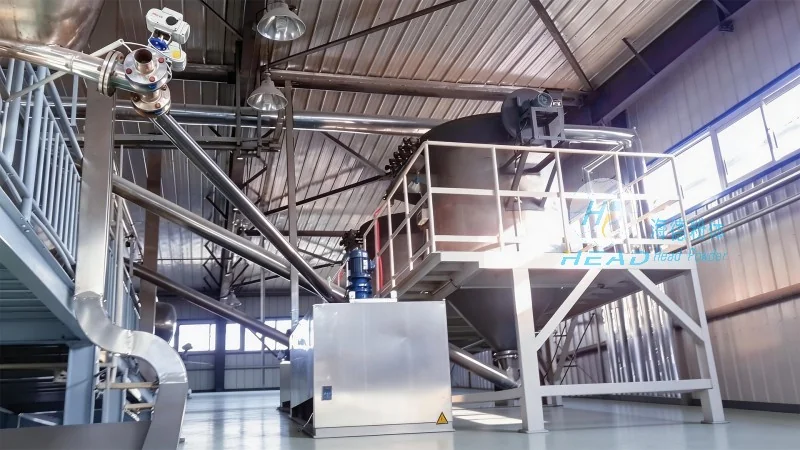
Cement additive pneumatic conveying refers to the process of transporting dry bulk materials, particularly cement additives, using a stream of air within a sealed pipeline. Unlike traditional mechanical conveying systems, which rely on belts, buckets, or screws, pneumatic conveying utilizes air pressure to move materials. This technology is widely adopted in the cement industry due to its ability to handle fine powders and abrasive materials without significant wear on components. The system typically consists of a hopper for material storage, a conveying line, a dust collector, and a control unit. The air is generated by a fan or blower, which creates a pressure differential that propels the material through the pipeline. The choice between positive pressure (where air is blown into the system) and negative pressure (where air is drawn out) depends on the specific application and material characteristics.
Key Design Principles of Cement Additive Pneumatic Conveying Systems
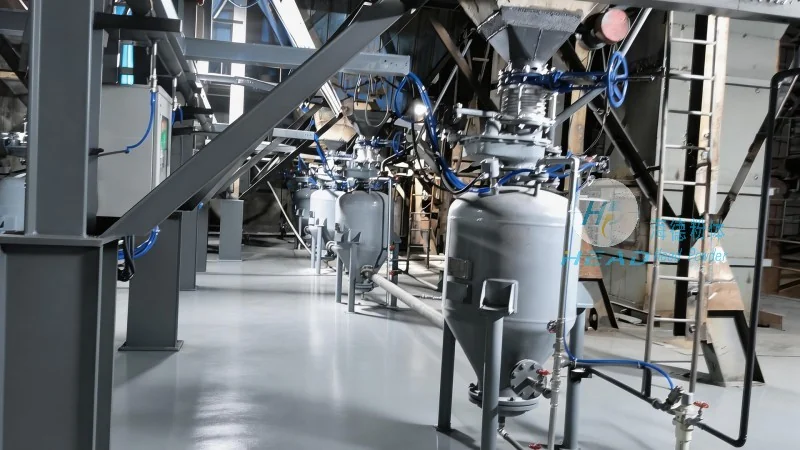
The design of a cement additive pneumatic conveying system involves several critical principles to ensure optimal performance and reliability. First, the selection of the appropriate air velocity is crucial. The velocity must be high enough to prevent material settling or blockages but low enough to minimize wear on the pipeline and reduce energy consumption. Engineers often use the "critical velocity" concept, which is the minimum air speed required to keep the material in suspension. For cement additives, this velocity typically ranges from 20 to 30 meters per second, depending on the particle size and density. Second, the system's pressure drop must be carefully managed. Excessive pressure drop can lead to energy inefficiency and potential system failure, while insufficient pressure may cause material deposition. The design considers factors like pipeline length, diameter, and the number of bends or fittings, using formulas such as the Darcy-Weisbach equation to calculate the pressure loss. Third, the material's physical properties play a significant role in system design. Particle size distribution, density, and moisture content affect the conveying capacity and required air volume. For example, fly ash, a common cement additive, has a wide particle size range, requiring a system with adjustable air flow to maintain consistent conveying. Fourth, the system's layout and components must be tailored to the specific application. The hopper design influences the material's flow characteristics, while the dust collector ensures compliance with environmental regulations. The control system, often integrated with sensors for pressure, flow, and temperature, provides real-time monitoring and adjustment to maintain stable operation.
HeadPowder's Expertise in Cement Additive Pneumatic Conveying Solutions
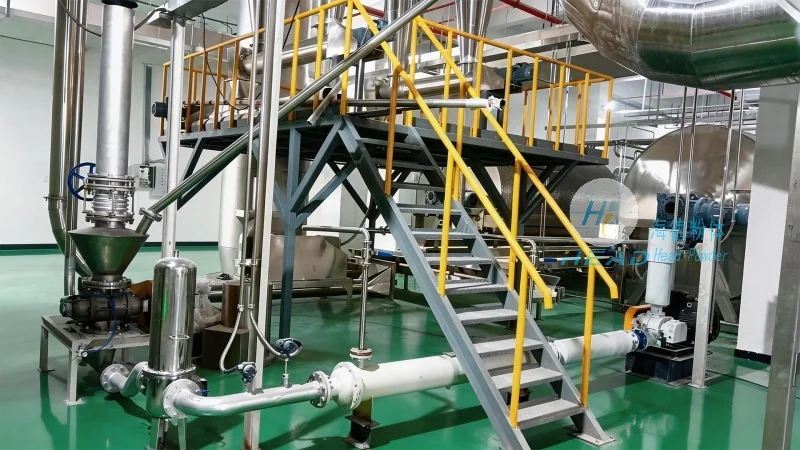
Shandong HeadPowder Engineering Co., Ltd., a leading provider of industrial material handling solutions, specializes in designing and manufacturing advanced pneumatic conveying systems for cement additives. With headquarters in Shandong, China, HeadPowder leverages decades of experience and cutting-edge technology to deliver customized solutions that meet the unique needs of cement plants. The company's engineers work closely with clients to assess their material handling challenges, such as handling fine powders or abrasive additives, and develop tailored systems that optimize efficiency and reduce operational costs. HeadPowder's systems are built with high-quality materials, including stainless steel and corrosion-resistant alloys, to withstand the harsh conditions of cement production. The company's commitment to quality is reflected in its adherence to international standards and rigorous testing protocols. By focusing on the design principles outlined above, HeadPowder ensures that its pneumatic conveying systems are reliable, energy-efficient, and compliant with environmental regulations. Clients benefit from reduced downtime, lower maintenance costs, and improved overall plant performance. HeadPowder's expertise in cement additive pneumatic conveying makes it a trusted partner for cement manufacturers seeking to enhance their material handling capabilities.