

What is Cement Fly Ash Pneumatic Conveying? What Are the Design Principles?
Cement fly ash is a byproduct of coal combustion in power plants, and its efficient handling is crucial for industrial operations. Pneumatic conveying systems offer a reliable method for transporting such materials, especially in environments where traditional bulk handling methods may pose challenges. This article explores the concept of cement fly ash pneumatic conveying and delves into the fundamental design principles that ensure effective and safe material transport.
Understanding Cement Fly Ash Pneumatic Conveying
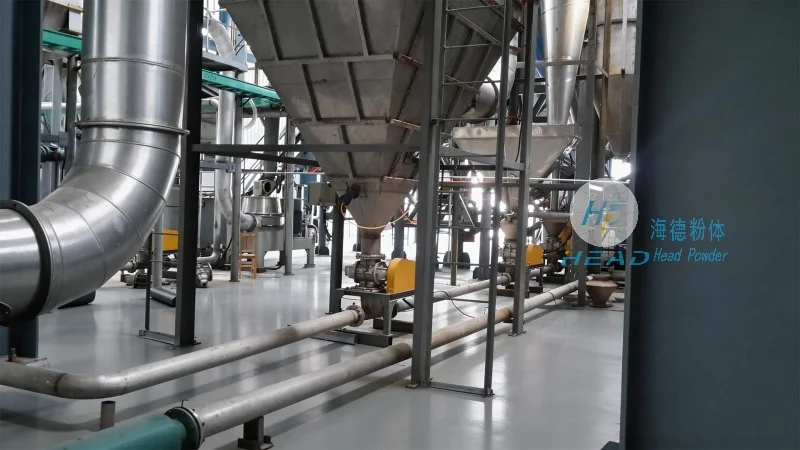
Cement fly ash, also known as fly ash, is a fine particulate material generated during the combustion of coal in thermal power plants. It is composed of microscopic particles that are typically collected from the flue gas using electrostatic precipitators or bag filters. Due to its fine texture and potential for dust generation, conventional bulk handling techniques like belt conveyors or bucket elevators may not be suitable for transporting fly ash over long distances or in complex layouts. Pneumatic conveying provides an alternative that utilizes air pressure to move the material through a pipeline network, offering advantages such as reduced dust exposure, lower maintenance requirements, and the ability to handle materials in enclosed systems.
The Core Design Principles of Pneumatic Conveying Systems
The design of a cement fly ash pneumatic conveying system is based on several key principles that ensure optimal performance, efficiency, and safety. These principles include the selection of appropriate air velocity, the configuration of the pipeline system, the use of suitable equipment components, and the consideration of material properties. Each of these aspects plays a critical role in determining the system's effectiveness in transporting fly ash from its source to the destination, such as storage silos or processing units.
Key Design Components and Their Functions
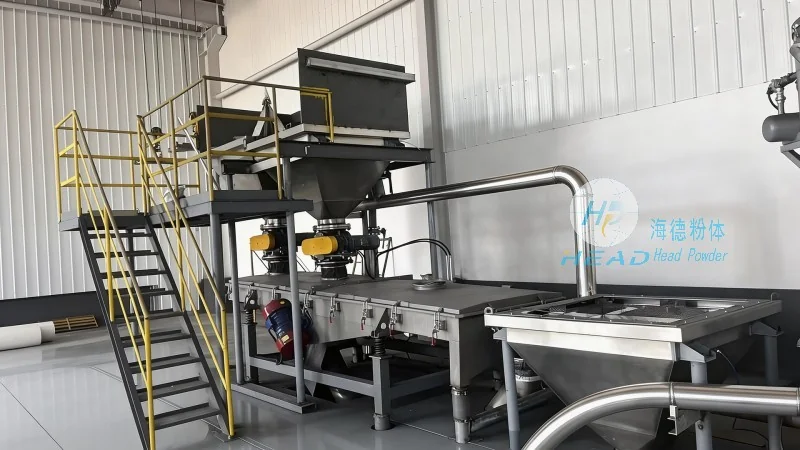
A pneumatic conveying system for cement fly ash typically consists of several essential components, each serving a specific function in the material transport process. The primary components include the material feed hopper, the air supply system (usually a blower or compressor), the conveying pipeline, the control valves, and the receiving hopper or silo. The material feed hopper is designed to store and feed the fly ash into the system at a controlled rate, preventing overloading and ensuring consistent flow. The air supply system generates the necessary pressure or vacuum to move the material through the pipeline. The conveying pipeline is constructed from materials that are resistant to abrasion and corrosion, such as stainless steel or high-density polyethylene, to withstand the abrasive nature of fly ash particles. Control valves are used to regulate the air flow and material discharge, allowing for adjustments based on operational needs. The receiving hopper collects the transported fly ash and can be connected to downstream processing equipment or storage facilities.
Material Properties and Their Impact on Design
The physical and chemical properties of cement fly ash significantly influence the design of a pneumatic conveying system. Key properties include particle size distribution, moisture content, density, and abrasiveness. The particle size distribution affects the air velocity required for effective transport, as finer particles may require higher velocities to prevent settling or blockages. Moisture content is critical because excessive moisture can lead to clumping or caking, which can impede the flow of material and cause system inefficiencies. The density and abrasiveness of the fly ash determine the wear rate of the pipeline and equipment components, necessitating the use of durable materials and regular maintenance to extend the system's lifespan. Engineers must carefully evaluate these properties to select the appropriate system configuration and components that can handle the specific characteristics of the fly ash being transported.
System Sizing and Performance Considerations
Proper sizing of a cement fly ash pneumatic conveying system is essential to ensure reliable operation and meet production requirements. System sizing involves determining the required air flow rate, pressure, and pipeline diameter based on the material flow rate, distance to be covered, and the layout of the conveying network. The air flow rate must be sufficient to maintain the material in suspension within the pipeline, preventing settling and ensuring smooth transport. The pressure or vacuum level is determined by the system's total pressure drop, which includes losses due to friction in the pipeline, bends, and fittings. Engineers use computational fluid dynamics (CFD) and empirical formulas to calculate these parameters accurately, ensuring that the system operates within its design limits and avoids excessive energy consumption or equipment stress. Performance considerations also include the system's capacity, which should be matched to the production rate of the fly ash source, and the ability to handle variations in material flow, such as start-up and shutdown sequences.
Advantages and Challenges of Pneumatic Conveying for Cement Fly Ash
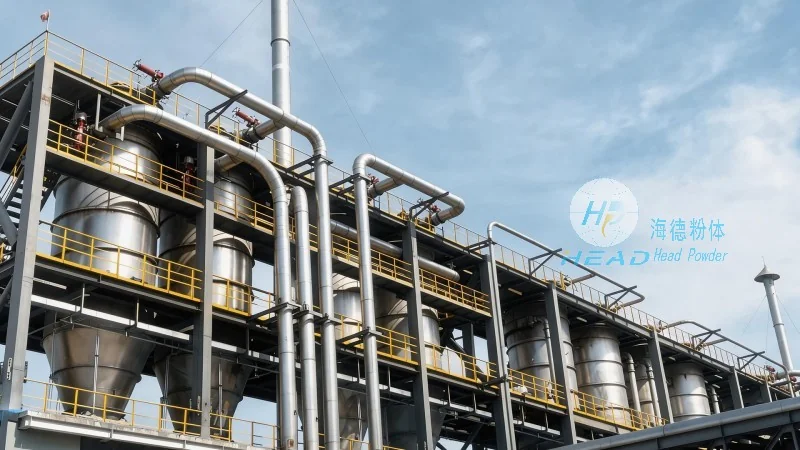
Pneumatic conveying systems offer several advantages when used for transporting cement fly ash. These include the ability to handle fine, dusty materials without generating excessive dust, the reduction in labor costs associated with manual handling, and the flexibility to route the material through complex layouts without the need for multiple transfer points. Additionally, pneumatic systems can be integrated with other processing equipment, such as grinding mills or classifiers, to form a continuous material handling loop. However, there are also challenges associated with pneumatic conveying, such as the need for high-energy input to maintain air flow, potential for system blockages due to material buildup, and the requirement for regular maintenance to prevent wear and tear on components. Proper system design and maintenance are crucial to mitigate these challenges and ensure long-term reliability.
Applications and Case Studies
Cement fly ash pneumatic conveying systems are widely used in various industrial applications, including power plants, cement manufacturing facilities, and industrial waste management operations. In power plants, the system is used to transport fly ash from the boiler to storage silos or to be blended with cement for use in concrete production. In cement plants, the system helps in the efficient handling of fly ash as a supplementary cementitious material, which is used to improve the properties of concrete. Case studies have shown that well-designed pneumatic conveying systems can significantly improve the efficiency of material handling processes, reduce operational costs, and enhance safety by minimizing dust exposure. For example, a power plant in China implemented a pneumatic conveying system for fly ash transport, which reduced dust emissions by 90% and increased the material handling capacity by 20% compared to traditional methods. This successful implementation was achieved through the expertise of Shandong HeadPowder Engineering Co., Ltd., a leading provider of industrial material handling solutions.
Conclusion
Cement fly ash pneumatic conveying is a sophisticated and effective method for transporting fine particulate materials, offering numerous advantages over traditional bulk handling techniques. The design principles, components, and considerations outlined in this article provide a comprehensive understanding of how such systems operate and can be optimized for specific industrial applications. By carefully evaluating material properties, system sizing, and operational requirements, engineers can design and implement reliable pneumatic conveying systems that enhance productivity, reduce costs, and improve safety in the handling of cement fly ash. As industrial processes continue to evolve, the importance of efficient material handling solutions like pneumatic conveying will only grow, making it a critical technology in the cement and power industries.