

Operation Process and Working Principle of Powder Electrolyte Pneumatic Conveying Lines
At Shandong HeadPowder Engineering Co., Ltd., we specialize in the design, manufacturing, and installation of advanced pneumatic conveying systems tailored for handling powder electrolytes. Our focus is on providing efficient, reliable, and cost-effective solutions that meet the stringent requirements of modern industrial applications. With a strong commitment to quality and innovation, headpowder has established itself as a leading provider in the field of powder handling technology.
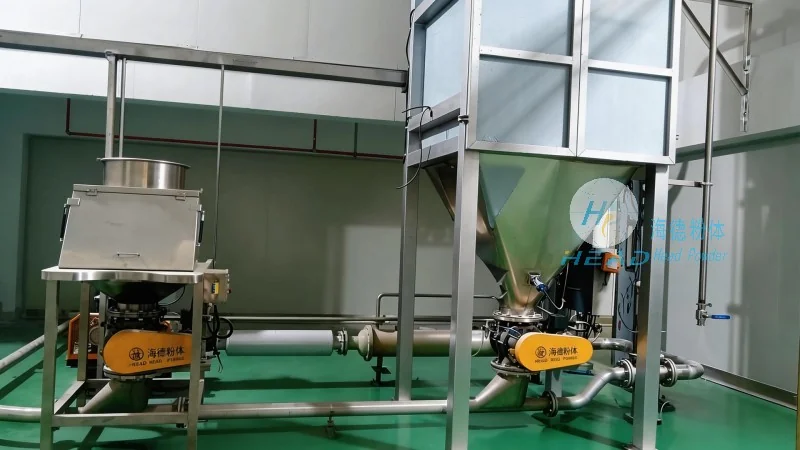
Understanding the Core Components and Functionality
The pneumatic conveying line for powder electrolytes typically consists of several key components, each playing a crucial role in the overall operation. These include the hopper for material storage, a rotary valve or feeder to control the flow rate, a conveying pipe system that transports the material, and a receiver or collection unit at the destination. The system operates by using compressed air or other gas to create a flow that moves the powder particles through the pipeline. This method eliminates the need for mechanical components like belts or screws, reducing maintenance and enhancing safety.
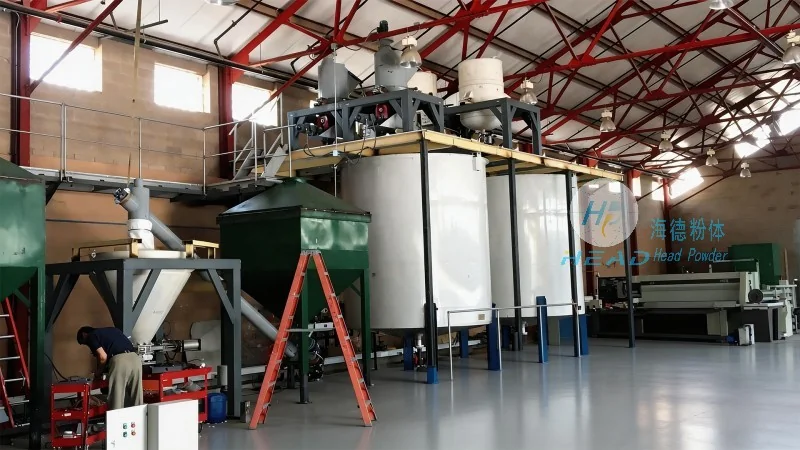
Step-by-Step Operation Process
The operation of a powder electrolyte pneumatic conveying line follows a systematic sequence to ensure smooth and consistent material transfer. First, the powder electrolyte is fed into the hopper from the source. The rotary valve then regulates the amount of material released into the conveying pipe, controlling the flow rate to match the system's capacity. Compressed air is introduced at the inlet of the pipe, creating a pressure differential that propels the powder particles forward. As the material travels through the pipeline, it experiences minimal friction and degradation, preserving the integrity of the powder electrolyte. At the receiving end, the material is deposited into the collection unit, where it can be further processed or stored. The system continuously monitors pressure and flow rates to maintain optimal performance and prevent blockages or other operational issues.
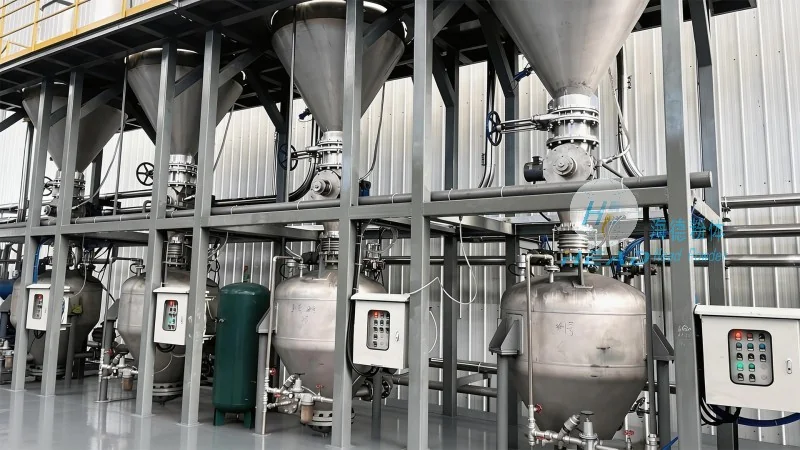
Working Principle: The Role of Air and Particle Dynamics
The working principle of the pneumatic conveying line relies on the interaction between the powder particles and the air stream. When compressed air is introduced into the conveying pipe, it creates a turbulent flow that entrains the powder particles. The velocity of the air is critical; it must be sufficient to overcome the gravitational force acting on the particles and any resistance from the pipe walls. The system uses a combination of positive and negative pressure zones to transport the material. In positive pressure systems, air is blown through the pipe, pushing the powder forward. In negative pressure systems, air is drawn out of the pipe, pulling the powder along. The choice of system depends on factors such as the material's properties, the distance to be conveyed, and the desired flow rate. The design of the pipe, including its diameter and length, is optimized to minimize energy consumption and maximize efficiency.
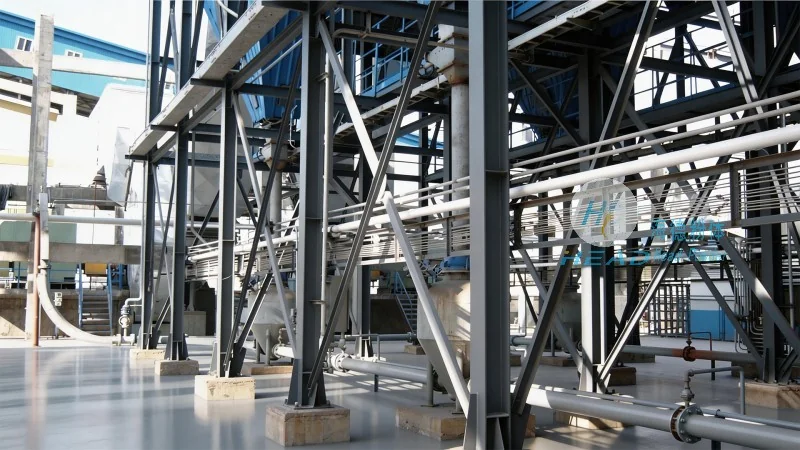
Advantages and Applications in Industrial Settings
Pneumatic conveying lines for powder electrolytes offer several advantages over traditional mechanical conveying methods. These include reduced material degradation due to minimal contact with equipment, lower maintenance costs as there are fewer moving parts, and improved safety by eliminating the risk of mechanical failure or material spillage. The system is particularly suitable for handling abrasive or corrosive powder electrolytes, as the air stream provides a gentle transport method that preserves the material's quality. Industries that benefit from this technology include battery manufacturing, where high-purity powder electrolytes are critical, as well as chemical processing and pharmaceuticals, where precise and clean material handling is essential. Our systems are designed to meet the specific needs of these industries, ensuring reliable and efficient operation in demanding environments.