

Operation Process and Working Principle of Automatic Pneumatic Conveying Systems
For industries seeking efficient and reliable material handling solutions, understanding the operation process and working principles of automatic pneumatic conveying systems is crucial. These systems, commonly used in various sectors including food processing, pharmaceuticals, and chemical manufacturing, offer a seamless way to transport bulk materials over long distances with minimal human intervention. This article delves into the step-by-step operation of such systems, highlighting the key components and mechanisms that enable their functionality.
Key Components of Automatic Pneumatic Conveying Systems
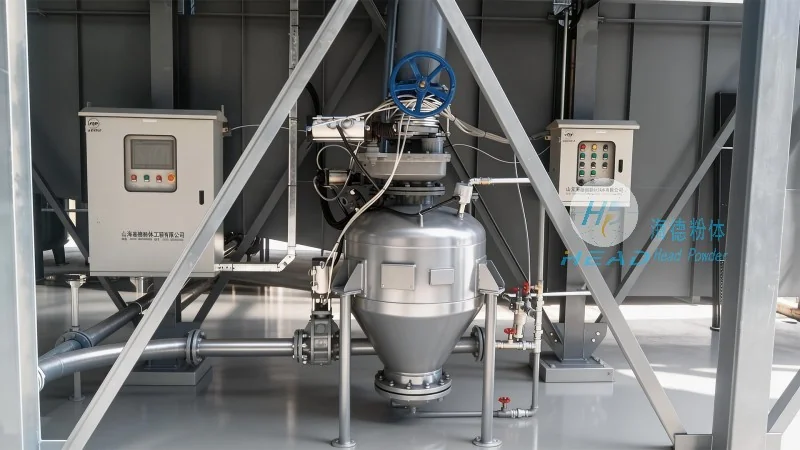
At the core of an automatic pneumatic conveying system are several essential components that work in tandem to facilitate material transport. The primary elements include a material hopper or feeder, a conveying line (typically made of stainless steel or other corrosion-resistant materials), a vacuum or pressure source (such as a blower or compressor), and a receiver or discharge unit. Each component plays a vital role in ensuring the system operates smoothly and efficiently. The material hopper is responsible for storing and feeding the bulk material into the conveying line, while the blower or compressor generates the necessary air pressure or vacuum to move the material through the system. The conveying line serves as the pathway for the material, and the receiver collects the material at the end of the process.
The Working Principle: How Automatic Pneumatic Conveying Systems Operate
The operation of an automatic pneumatic conveying system is based on the principle of air movement, either by creating a vacuum (suction) or pressure (blowing) to transport materials. In a typical suction system, the blower creates a low-pressure area within the conveying line, causing the material to be drawn from the hopper into the line as it is carried by the air stream. The material is then transported to the receiver, where the air is separated from the material, often through a cyclone or filter system. In a pressure system, the blower generates high-pressure air that pushes the material through the conveying line, with the material being discharged at the receiver. Both systems rely on the consistent flow of air and the proper design of the conveying line to ensure effective material transport. The system's efficiency is further enhanced by features such as airlocks, which prevent backflow and maintain a consistent material flow rate.
Step-by-Step Operation Process
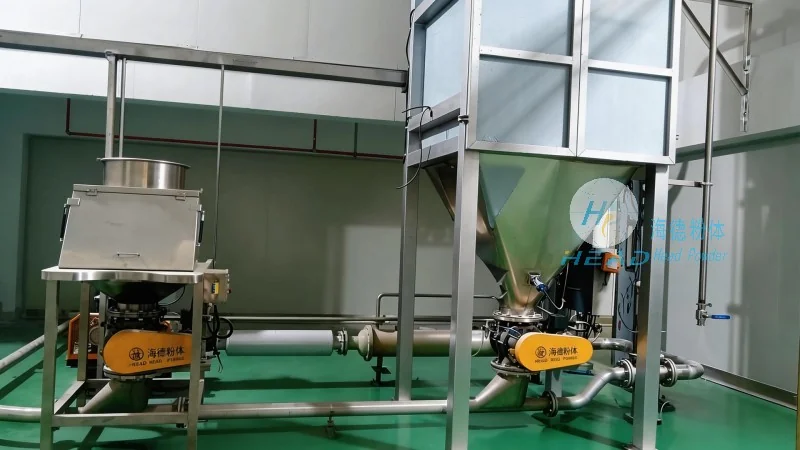
The operation of an automatic pneumatic conveying system follows a systematic process that ensures continuous and reliable material handling. The process begins with the loading of the material into the hopper. The feeder then regulates the flow of material into the conveying line, ensuring a consistent feed rate. The blower or compressor activates, creating the necessary air pressure or vacuum to initiate material transport. As the material is drawn or pushed through the conveying line, it travels to the receiver, where it is collected. The air, now separated from the material, is either vented to the atmosphere or recycled back into the system, depending on the design. This cycle repeats continuously, allowing for the uninterrupted transport of bulk materials. The system's control panel, often equipped with sensors and monitoring devices, ensures that the operation is optimized and any issues are detected promptly, minimizing downtime and maximizing productivity.
Benefits and Applications of Automatic Pneumatic Conveying Systems
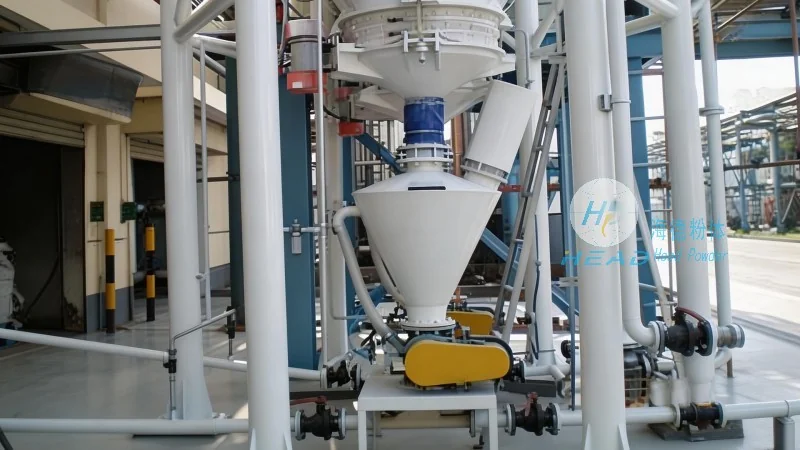
Automatic pneumatic conveying systems offer numerous benefits that make them a preferred choice for industries requiring efficient material handling. These systems are capable of transporting materials over long distances with minimal maintenance, reducing the need for multiple transfer points and associated equipment. They are also highly flexible, allowing for changes in material type or processing requirements without significant modifications to the system. The systems are designed to handle a wide range of materials, from powders and granules to fine particles, making them suitable for various applications. Additionally, the enclosed nature of the conveying line helps maintain product quality by preventing contamination and exposure to environmental factors. The systems are widely used in industries such as food processing, where hygiene and product integrity are paramount, as well as in pharmaceutical and chemical manufacturing, where precision and safety are critical.
Conclusion
In conclusion, automatic pneumatic conveying systems are sophisticated and efficient solutions for material handling in various industries. By understanding the operation process and working principles, users can appreciate how these systems enhance productivity and reliability. The integration of advanced components and control systems ensures that the systems operate smoothly, with minimal downtime and optimal performance. As a leading provider of such systems, Shandong HeadPowder Engineering Co., Ltd. specializes in designing and manufacturing customized pneumatic conveying solutions tailored to the specific needs of their clients. With a focus on quality and innovation, the company delivers systems that meet the highest standards of efficiency and reliability, helping industries achieve their material handling goals effectively.