

Operation Process and Working Principle of Seaweed Residue Pellet Pneumatic Conveying Line
The seaweed residue pellet pneumatic conveying line is an advanced industrial system designed for the efficient transportation of seaweed residue pellets. Developed by Shandong HeadPowder Engineering Co., Ltd., this system integrates pneumatic conveying technology with automated control mechanisms, ensuring stable and reliable material transport in various industrial applications. As a key component in the processing and handling of seaweed-derived materials, this line plays a crucial role in optimizing production workflows and enhancing operational efficiency.
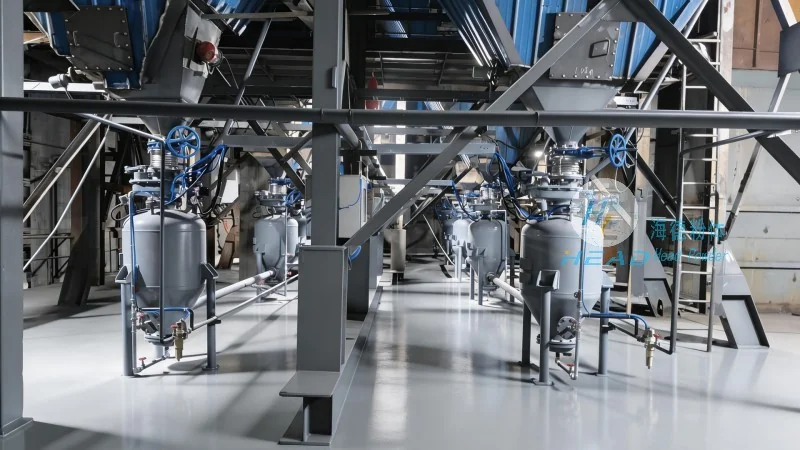
Key Components and Their Functions
The seaweed residue pellet pneumatic conveying line consists of several core components, each serving a specific function to ensure the smooth operation of the system. The main components include the material feeding unit, the air compressor system, the conveying pipeline network, the dust collection system, and the control panel. The material feeding unit is responsible for uniformly feeding seaweed residue pellets into the conveying system, while the air compressor provides the necessary air pressure to drive the material along the pipeline. The conveying pipeline network, typically made of stainless steel or other corrosion-resistant materials, ensures the safe and efficient transport of the pellets. The dust collection system is integrated to capture and filter any airborne particles, maintaining a clean and safe working environment. The control panel allows operators to monitor and adjust the system parameters in real-time, ensuring optimal performance.
Operation Process of the Pneumatic Conveying Line
The operation process of the seaweed residue pellet pneumatic conveying line involves several sequential steps. First, the seaweed residue pellets are fed into the material hopper through the feeding unit. The hopper then releases the material into the conveying pipeline as controlled by the system's control panel. Simultaneously, the air compressor generates high-pressure air, which is introduced into the pipeline. The air flow carries the pellets through the pipeline network, transporting them to the destination point, such as a storage silo or processing unit. The conveying speed and pressure are adjusted based on the material characteristics and pipeline length to ensure efficient transport without causing material degradation or pipeline blockages. The system continuously monitors the pressure and flow rates, automatically adjusting the air supply to maintain consistent conveying performance. Upon reaching the destination, the pellets are discharged into the receiving container, completing the transport cycle.
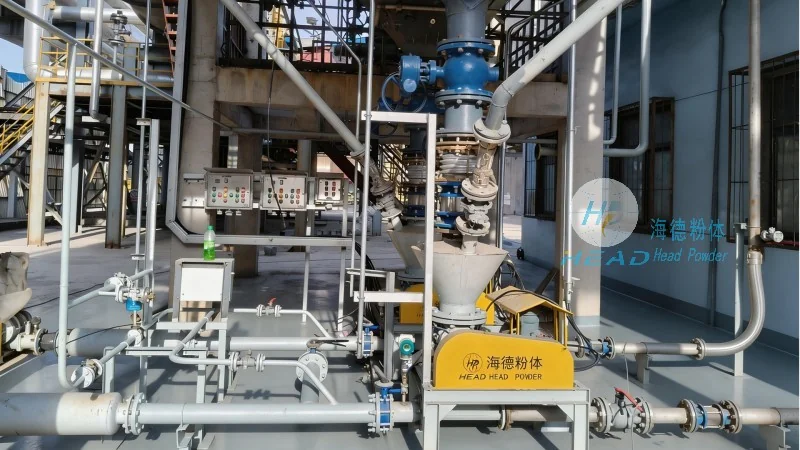
Working Principle of the Pneumatic Conveying System
The working principle of the seaweed residue pellet pneumatic conveying line is based on the fundamental concept of pneumatic transport, where materials are moved through a pipeline using a gas stream. In this system, the air compressor generates a high-pressure air flow, which creates a pressure differential between the inlet and outlet of the conveying pipeline. The seaweed residue pellets are introduced into the pipeline at the feeding point, and the air flow entrains the pellets, carrying them along the pipeline. The velocity of the air stream is maintained above the minimum conveying velocity required to prevent the pellets from settling or sticking to the pipeline walls. The system uses positive pressure or negative pressure (or a combination of both) depending on the application requirements. Positive pressure systems are commonly used for short-distance conveying, where the air is forced into the pipeline, pushing the material forward. Negative pressure systems, on the other hand, are used for longer distances or when the material needs to be transported from a higher elevation to a lower one, as the air is drawn through the pipeline, pulling the material along. The control system continuously regulates the air pressure and flow rate to maintain the optimal conveying conditions, ensuring that the pellets are transported efficiently and without damage.
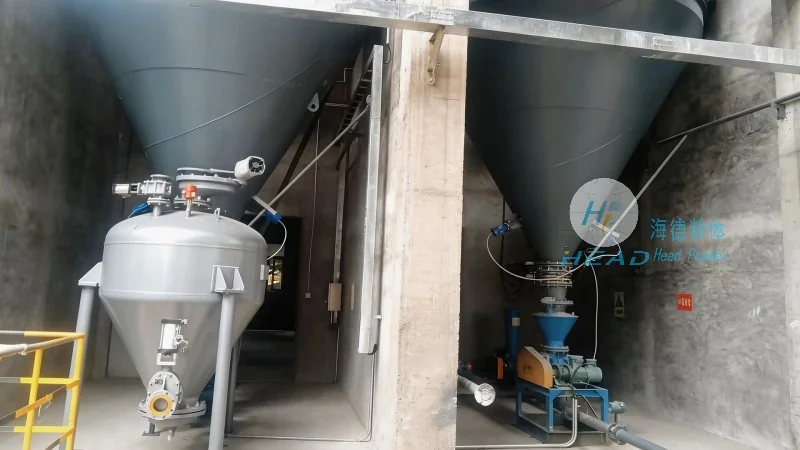
Advantages of the Seaweed Residue Pellet Pneumatic Conveying Line
The seaweed residue pellet pneumatic conveying line offers several advantages over traditional material handling methods, such as belt conveyors or bucket elevators. One of the primary advantages is the ability to transport materials in a closed system, which helps to prevent dust contamination and environmental pollution. This is particularly important for seaweed residue, which can be a source of fine particles that may affect air quality. Additionally, the pneumatic conveying system is more flexible in terms of layout, as the pipeline can be installed in various configurations, including vertical, horizontal, or inclined paths, to suit the specific requirements of the production facility. The system also provides higher material handling capacity compared to traditional methods, allowing for increased production throughput. Furthermore, the automated control system reduces the need for manual intervention, minimizing labor costs and improving operational safety. The corrosion-resistant materials used in the construction of the pipeline and components ensure long-term durability and reliability, reducing maintenance costs over the system's lifespan.
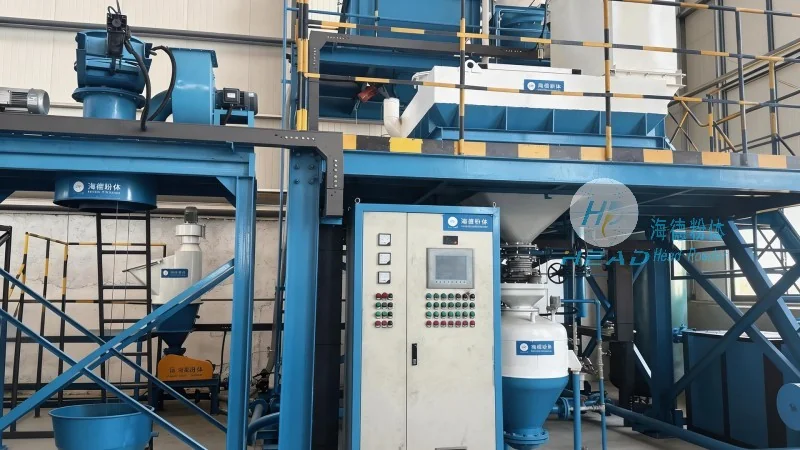
Application Scenarios and Industrial Integration
The seaweed residue pellet pneumatic conveying line is widely used in various industrial applications involving seaweed processing and handling. For example, in seaweed farming and processing facilities, this system is used to transport harvested seaweed residue from the harvesting area to the processing plant. In the production of seaweed-based products, such as seaweed meal or biofuels, the conveying line is used to move the processed pellets to storage or further processing units. The system is also applicable in waste management facilities where seaweed residue is collected and transported for recycling or disposal. The flexibility of the pneumatic conveying line allows it to be integrated into existing production lines, enhancing overall operational efficiency. By replacing traditional manual or mechanical handling methods with an automated pneumatic system, industries can achieve significant improvements in productivity, safety, and environmental compliance.
Maintenance and Operational Considerations
Proper maintenance and operational considerations are essential to ensure the long-term performance and reliability of the seaweed residue pellet pneumatic conveying line. Regular maintenance activities include checking and replacing air filter elements, inspecting the pipeline for any signs of wear or blockages, and cleaning the dust collection system. The air compressor and control components should be inspected regularly to ensure they are functioning within the specified parameters. The material feeding unit should be checked for any material buildup or blockages that could affect the feeding process. Additionally, the system should be operated within the recommended pressure and flow rate ranges to prevent damage to the components. Operators should be trained on the proper use and maintenance of the system to minimize the risk of accidents and downtime. By following these maintenance and operational guidelines, the system can achieve high availability and maintain its efficiency over an extended period.