

Operation Process and Working Principle of Soybean Feed Pneumatic Conveying Lines
HeadPowder, a leading manufacturer based in Shandong, China, specializes in the design and production of advanced pneumatic conveying systems tailored for the feed industry. This article provides a detailed overview of the operation process and working principle of soybean feed pneumatic conveying lines, highlighting the key components, operational steps, and technical advantages of such systems.
Introduction to Soybean Feed Pneumatic Conveying Systems
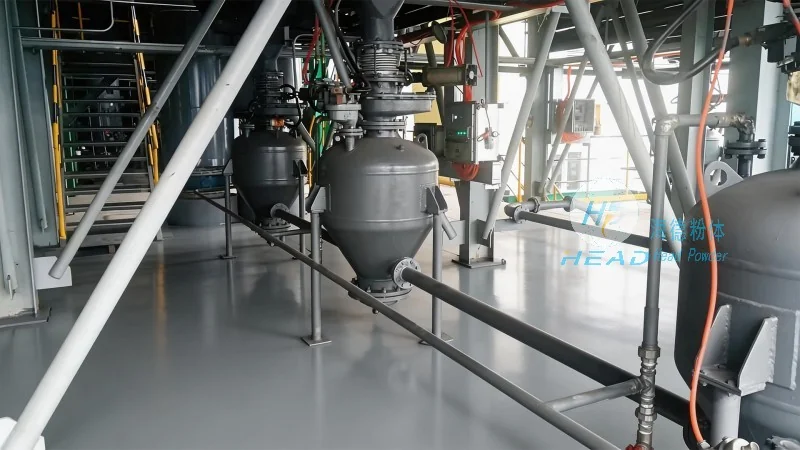
Soybean feed pneumatic conveying lines are essential equipment in modern feed processing facilities, enabling efficient and hygienic transportation of soybean-based feed materials from storage silos to processing units or packaging areas. These systems utilize air as the conveying medium to move bulk materials, offering advantages such as reduced labor costs, minimized product contamination, and improved safety compared to traditional mechanical conveyors.
Key Components of the Pneumatic Conveying Line
The soybean feed pneumatic conveying line typically consists of several critical components that work in concert to ensure smooth material transfer. These include a hopper or storage silo for material storage, a rotary valve or feeder to control the flow of soybean feed, a conveying pipe network, a blower or air compressor to generate the necessary air pressure, and a receiver or discharge hopper for material collection. Each component plays a vital role in the overall operation, and their proper integration is crucial for optimal performance.
Operation Process of the Soybean Feed Pneumatic Conveying Line
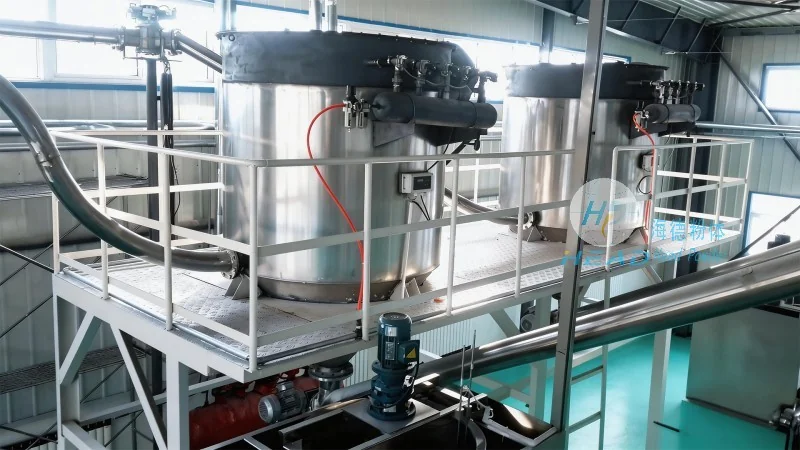
The operation of a soybean feed pneumatic conveying line involves a series of sequential steps designed to move the feed material from the storage silo to the processing area. Initially, the soybean feed is stored in the hopper or silo. The rotary valve then regulates the flow of material into the conveying pipe. Simultaneously, the blower generates high-pressure air, which is introduced into the pipe. The air and feed material are mixed, creating a slurry-like flow that propels the material through the pipe network. The material is then discharged into the receiver or processing unit at the end of the line. This process is typically automated, with sensors and control systems monitoring the flow rate and pressure to maintain consistent operation.
Working Principle of the Pneumatic Conveying System
The working principle of the soybean feed pneumatic conveying line is based on the principle of pneumatic transport, where air is used to move bulk materials. The system operates under positive pressure, meaning the air pressure inside the conveying pipe is higher than the ambient air pressure. This pressure differential creates a force that pushes the feed material forward. The air velocity within the pipe is carefully controlled to ensure that the material is suspended and transported without causing excessive wear or degradation. The blower provides the necessary air volume and pressure, while the rotary valve and hopper control the feed rate. The receiver collects the material and may include features such as a filter or separator to remove any air or debris before the feed is used in the next stage of processing.
Advantages of Using Soybean Feed Pneumatic Conveying Lines
Implementing a soybean feed pneumatic conveying line offers several advantages for feed processing facilities. These include improved hygiene and sanitation, as the system is enclosed and prevents contamination from external sources. It also reduces labor costs by automating the material handling process, minimizing the need for manual handling of bulk materials. Additionally, the system is compact and can be customized to fit the specific layout and requirements of the facility, saving space and improving overall efficiency. The use of air as the conveying medium also reduces product degradation and spoilage, ensuring that the soybean feed remains in optimal condition for processing and use.
Maintenance and Operational Considerations
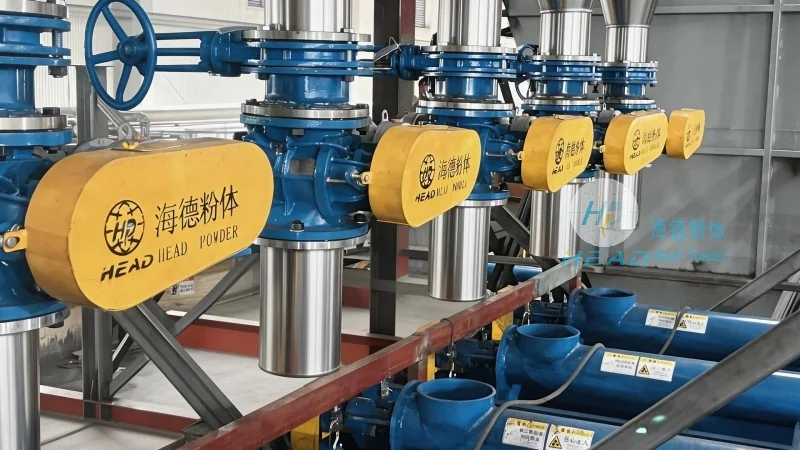
To ensure the long-term reliability and efficiency of the soybean feed pneumatic conveying line, regular maintenance and proper operational considerations are essential. This includes routine checks of the blower and air compressor for proper performance, inspection of the conveying pipes for any blockages or wear, and cleaning of the rotary valve and hopper to prevent material buildup. The system should also be equipped with monitoring sensors to detect any changes in pressure or flow, allowing for timely adjustments and preventing system failures. Proper training of operators on the system's operation and maintenance is also crucial to maximize its lifespan and performance.
Conclusion
Soybean feed pneumatic conveying lines are a vital component of modern feed processing operations, providing efficient, hygienic, and automated material handling solutions. By understanding the operation process and working principle of such systems, feed processing facilities can optimize their operations, reduce costs, and improve product quality. HeadPowder, with its expertise in engineering and manufacturing, offers high-quality pneumatic conveying systems that meet the specific needs of the feed industry, ensuring reliable and efficient material transport for soybean feed.