

Operation Process and Working Principle of Dry Powder Mortar Pneumatic Conveying Lines
Shandong HeadPowder Engineering Co., Ltd., a leading manufacturer in the field, specializes in the design, production, and application of advanced dry powder mortar pneumatic conveying systems. These systems are crucial for efficient and reliable transportation of dry powder materials, such as mortar, cement, and other construction powders, in industrial and construction settings. The company's expertise lies in developing customized solutions that meet the specific needs of clients, ensuring optimal performance and durability.
Understanding the Working Principle of Pneumatic Conveying Systems
The core of a dry powder mortar pneumatic conveying line is the air-driven mechanism that moves materials through a pipeline. The system operates by creating a pressure differential between the inlet and outlet of the conveying line. A fan or blower generates the necessary airflow, which draws the dry powder material into the pipeline. The powder is then suspended in the air stream and transported to the destination. This method eliminates the need for mechanical components like belts or buckets, reducing maintenance and increasing efficiency. The working principle involves several key components, including the hopper for material storage, the air compressor or fan for air supply, the pipeline network for material transport, and the discharge unit for material release.
Step-by-Step Operation Process of the Conveying Line
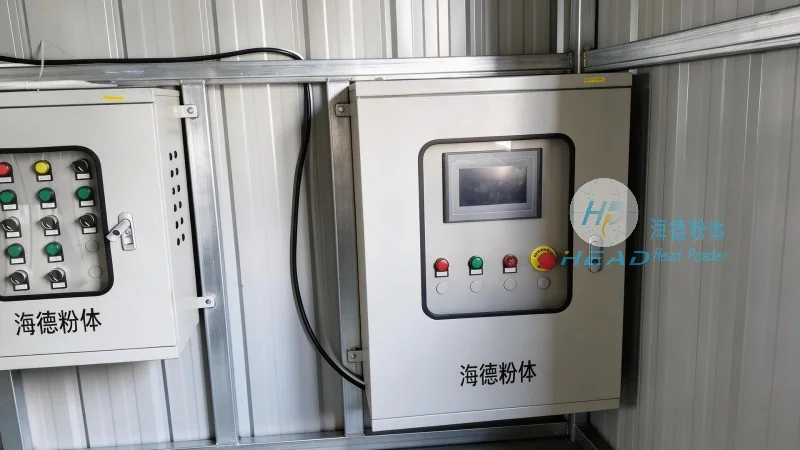
The operation process of a dry powder mortar pneumatic conveying line typically involves the following steps. First, the dry powder material is loaded into the hopper. The hopper is equipped with a feeding mechanism, such as a rotary valve or a screw feeder, which controls the flow rate of the material into the pipeline. Next, the air compressor or fan is activated, generating the required airflow. The air flow creates a negative pressure at the inlet of the pipeline, drawing the powder from the hopper into the air stream. As the powder is suspended in the air, it travels through the pipeline to the discharge point. The discharge unit, which may be a rotary valve or a pressure relief valve, regulates the release of the material at the destination. The system continuously operates, with the feeding mechanism and air supply maintaining a steady flow of material. The process is controlled by a system of sensors and controls that monitor pressure, flow rate, and material level, ensuring smooth and consistent operation.
Key Components and Their Functions
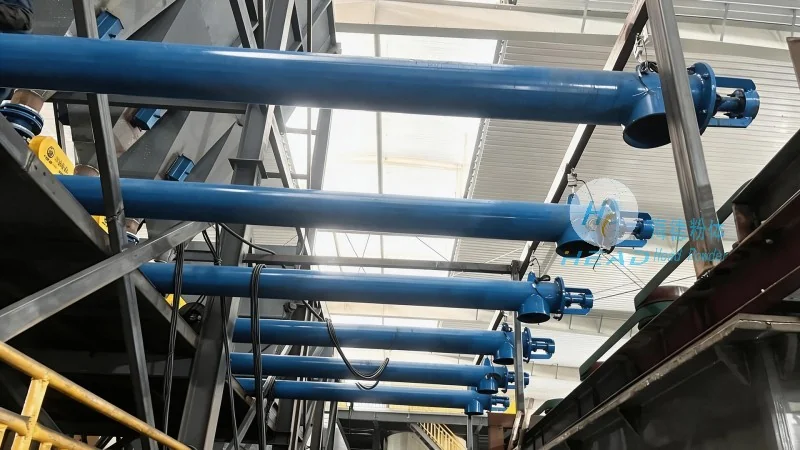
Several critical components contribute to the efficient operation of a dry powder mortar pneumatic conveying line. The hopper serves as the storage container for the dry powder material, with a capacity that can be adjusted based on the application's requirements. The feeding mechanism, such as a rotary valve or screw feeder, ensures a controlled and consistent flow of material into the pipeline, preventing blockages and maintaining system stability. The air compressor or fan is responsible for generating the airflow, with adjustable pressure and flow rates to match the material's characteristics and pipeline length. The pipeline network, typically made of stainless steel or other corrosion-resistant materials, transports the material from the hopper to the discharge point. The pipeline is designed with appropriate bends and fittings to minimize pressure loss and ensure smooth material flow. The discharge unit, such as a rotary valve or pressure relief valve, controls the release of the material at the destination, preventing backflow and maintaining system pressure. Additionally, the system includes sensors and controls that monitor key parameters, such as pressure, flow rate, and material level, allowing for real-time adjustments and ensuring optimal performance.
Advantages of Dry Powder Mortar Pneumatic Conveying Lines
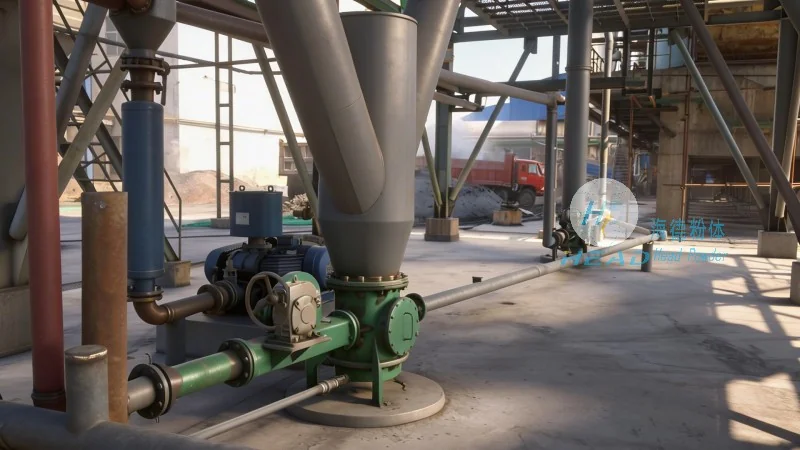
Implementing a dry powder mortar pneumatic conveying line offers several advantages over traditional mechanical conveying methods. First, it eliminates the need for mechanical components like belts or buckets, reducing maintenance costs and increasing system reliability. The air-driven mechanism is less prone to wear and tear, resulting in lower operational costs over time. Second, the system is highly efficient in terms of material transport, with the ability to move large quantities of dry powder over long distances with minimal energy consumption. The airflow can be adjusted to match the material's characteristics, ensuring optimal transport conditions. Third, the system is flexible and can be customized to fit various applications, from small-scale construction projects to large industrial facilities. The modular design allows for easy expansion or modification as the client's needs change. Fourth, the system is hygienic and suitable for transporting materials that require a clean environment, such as food-grade or pharmaceutical powders. The stainless steel construction and sealed pipeline system prevent contamination and ensure material purity. Finally, the system is environmentally friendly, as it reduces dust emissions compared to traditional methods, contributing to a cleaner working environment.
Applications and Industries
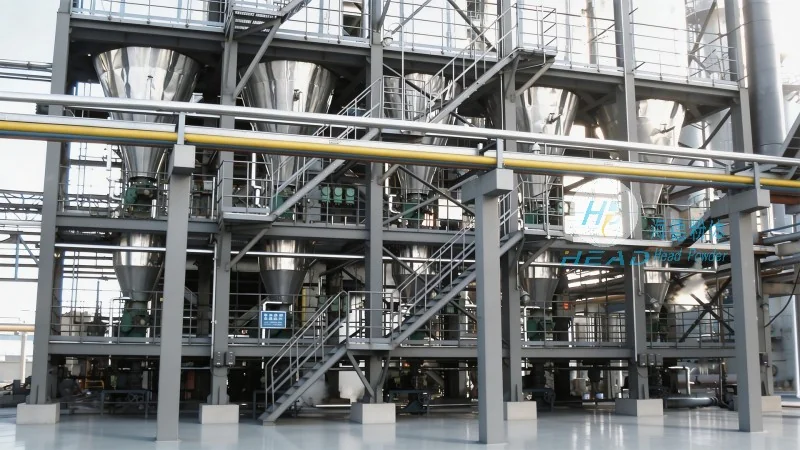
Dry powder mortar pneumatic conveying lines are widely used in various industries, particularly in construction and manufacturing. In the construction industry, these systems are essential for transporting mortar, cement, and other dry powders to job sites, ensuring a steady supply of materials for building projects. The systems are also used in the production of dry mix concrete, where the precise mixing of ingredients is critical for product quality. In the manufacturing industry, the systems are employed in the production of adhesives, coatings, and other powder-based products, where consistent material transport is necessary for product consistency. Additionally, the systems are used in the food and pharmaceutical industries for transporting food-grade powders and pharmaceutical ingredients, where hygiene and purity are paramount. The versatility of the dry powder mortar pneumatic conveying line makes it suitable for a wide range of applications, from small-scale residential projects to large-scale industrial operations.
Conclusion
Shandong HeadPowder Engineering Co., Ltd. provides advanced dry powder mortar pneumatic conveying lines that offer efficient, reliable, and cost-effective solutions for transporting dry powder materials. The company's expertise in designing and manufacturing these systems ensures that clients receive customized solutions that meet their specific needs. The operation process and working principle of the system are based on air-driven mechanisms, which eliminate the need for mechanical components and reduce maintenance costs. The key components, including the hopper, feeding mechanism, air compressor, and pipeline network, work together to ensure smooth and consistent material transport. The advantages of these systems, such as efficiency, flexibility, and hygiene, make them ideal for various applications in construction, manufacturing, and other industries. By choosing a dry powder mortar pneumatic conveying line from Shandong HeadPowder Engineering Co., Ltd., clients can enhance their operational efficiency and ensure the quality of their materials.