

What is Kaolin Powder Pneumatic Conveying? An Introduction to the Working Principle of Powder Handli
For industrial applications involving the transport of fine powders like kaolin, pneumatic conveying systems offer an efficient and reliable solution. This article provides an overview of how these systems operate, focusing on the key components and the mechanics behind the transport of kaolin powder. The discussion will cover the fundamental principles that enable the movement of such materials, ensuring a clear understanding of the technology used by companies like Shandong HeadPowder Engineering Co., Ltd., based in Shandong, China.
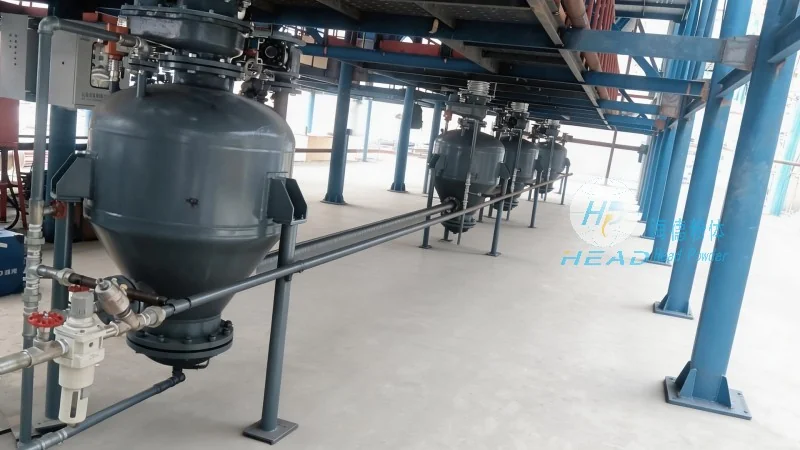
Understanding Kaolin Powder Properties and Handling Challenges
Before delving into the pneumatic conveying process, it's essential to understand the characteristics of kaolin powder. Kaolin, also known as china clay, is a white, soft mineral that is widely used in various industries, including ceramics, paper, and cosmetics. Its fine particle size and low bulk density present unique challenges when it comes to handling and transporting. Traditional methods such as belt conveyors or bucket elevators may not be suitable due to the risk of dust generation and material degradation. Pneumatic conveying systems address these challenges by utilizing air as the conveying medium, which allows for the safe and efficient transport of kaolin powder over long distances without the need for mechanical contact with the material.
Key Components of a Kaolin Powder Pneumatic Conveying System
A typical pneumatic conveying system for kaolin powder consists of several critical components that work in tandem to ensure smooth operation. The main parts include a hopper for material storage, a feeder to control the flow rate, a conveying line (often equipped with bends and filters), a receiver for the discharged material, and a blower or compressor to generate the necessary air pressure. Each component plays a vital role in the overall system performance. The hopper ensures a consistent supply of kaolin powder, while the feeder regulates the amount of material entering the conveying line, preventing overloading and maintaining system efficiency. The conveying line, which may be of the dilute-phase or dense-phase type, transports the powder using compressed air. The blower or compressor provides the energy required to move the material, and the receiver collects the discharged kaolin powder, often with a filter to capture any fine particles that may escape during transport.
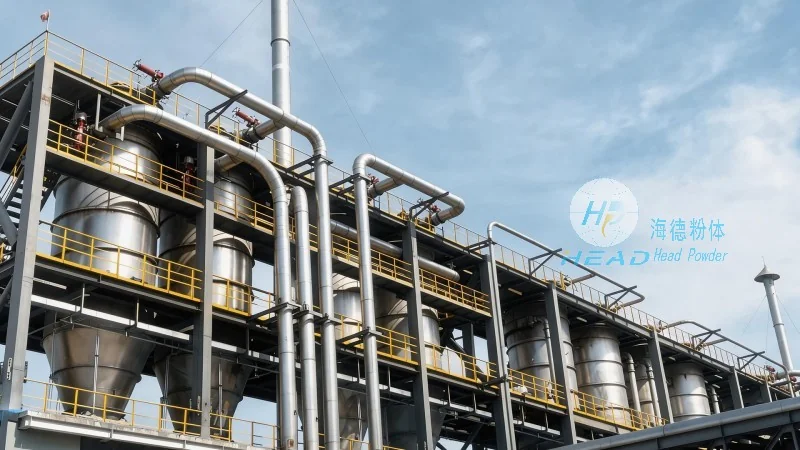
Working Principle of Pneumatic Conveying for Kaolin Powder
The working principle of a pneumatic conveying system for kaolin powder revolves around the use of air to suspend and transport the powder particles. In a dilute-phase system, the powder is mixed with a large volume of air, creating a suspension that flows through the conveying line. The air velocity is maintained at a level sufficient to keep the particles in suspension, preventing them from settling or clogging the line. In contrast, a dense-phase system uses a lower air velocity and higher material concentration, resulting in a more stable flow and reduced risk of particle degradation. The process begins with the kaolin powder being fed from the hopper into the conveying line. The feeder ensures a controlled flow rate, and the blower provides the necessary pressure to move the mixture. As the mixture travels through the line, it passes through bends and filters, which help maintain the flow and remove any contaminants. The receiver at the end of the line collects the kaolin powder, and the air is typically filtered and recycled back to the blower, minimizing energy consumption and environmental impact.
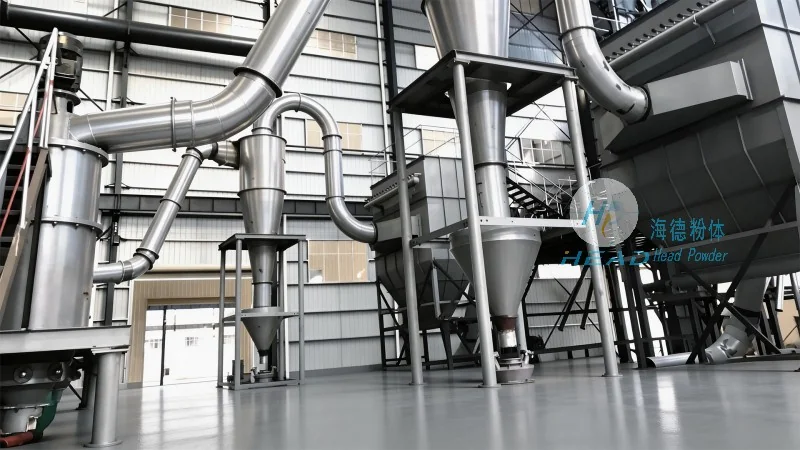
Advantages of Using Pneumatic Conveying for Kaolin Powder Transport
Pneumatic conveying systems offer several advantages when transporting kaolin powder compared to traditional methods. One of the primary benefits is the ability to handle fine powders without the risk of dust generation or material degradation. The enclosed system prevents contamination and ensures product purity, which is crucial for applications in the ceramics and paper industries. Additionally, pneumatic conveying allows for the transport of kaolin powder over long distances and at high speeds, improving overall operational efficiency. The system is also flexible, as it can be easily adjusted to accommodate changes in material flow rates or line configurations. Furthermore, the use of compressed air as the conveying medium reduces the need for mechanical components, such as belts or buckets, which can wear out over time and require frequent maintenance. This leads to lower operational costs and increased system reliability.
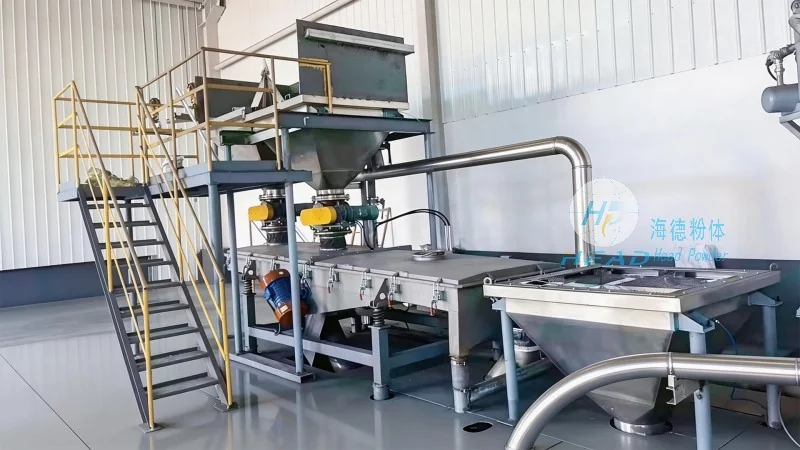
Applications of Kaolin Powder Pneumatic Conveying Systems
The versatility of kaolin powder makes it suitable for a wide range of industrial applications, and pneumatic conveying systems are widely used to transport it in these processes. In the ceramics industry, kaolin is used as a raw material for making porcelain and other ceramic products. Pneumatic conveying systems ensure that the kaolin powder is delivered to the production line in a consistent and controlled manner, which is essential for maintaining product quality. In the paper industry, kaolin is used as a coating and filler to improve the brightness and smoothness of paper. The ability to transport kaolin powder efficiently and without contamination is critical for maintaining the quality of the final paper product. Other applications include the cosmetics industry, where kaolin is used in skincare products, and the pharmaceutical industry, where it is used as an excipient in drug formulations. In each of these applications, the reliability and efficiency of the pneumatic conveying system are essential to ensure consistent product quality and operational performance.
Conclusion and Company Overview
In conclusion, pneumatic conveying systems provide an effective and efficient method for transporting kaolin powder, addressing the unique challenges associated with handling fine powders. The technology, as implemented by companies like Shandong HeadPowder Engineering Co., Ltd., based in Shandong, China, combines advanced engineering with practical application to deliver reliable and cost-effective solutions for industrial powder handling. By understanding the working principles and advantages of these systems, industries can optimize their material transport processes and improve overall operational efficiency. The use of pneumatic conveying for kaolin powder not only enhances product quality but also reduces operational costs and environmental impact, making it a preferred choice for modern industrial applications.