For industrial applications involving the handling of fine powders, such as precipitated barium sulfate, efficient and reliable material transport is crucial. This article provides an overview of the pneumatic conveying process, specifically focusing on how it applies to the transportation of this particular chemical compound. By understanding the mechanics behind this technology, users can better appreciate its advantages and practical applications in various manufacturing and processing environments.
Pneumatic Conveying: A Brief Overview
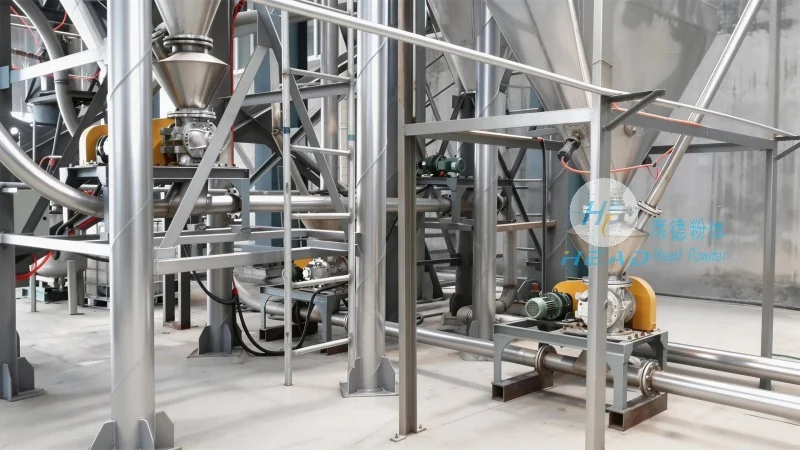
Pneumatic conveying is a method of transporting bulk materials through a pipeline using a stream of air or other gas. Unlike mechanical systems that rely on belts, screws, or buckets, pneumatic systems utilize the force of compressed air to move powders from one location to another. This technology is widely used in industries where dust control, flexibility, and the ability to handle fine or abrasive materials are priorities. The process typically involves a hopper or feeder that feeds the powder into a pipeline, where it is then carried by the moving air stream to the destination point. The system can be either positive pressure, where air is blown through the line, or negative pressure, where air is drawn out, creating a vacuum to pull the material.
Working Principle of Precipitated Barium Sulfate Pneumatic Conveying
The specific application of pneumatic conveying to precipitated barium sulfate involves several key components and steps. First, the powder is stored in a hopper or silo, from which it is fed into the conveying line. A rotary valve or feeder controls the flow rate, ensuring a consistent and controlled supply of material. The conveying line itself is typically made of stainless steel or other corrosion-resistant materials, as precipitated barium sulfate can be sensitive to moisture and chemical reactions with certain metals. Compressed air is then introduced into the line, either at the inlet (positive pressure) or the outlet (negative pressure), creating the necessary pressure differential to move the powder. The air velocity within the pipe must be maintained at a level that prevents the powder from settling or clogging, while also ensuring efficient transport. The system may include additional components such as filters, cyclones, or dust collectors to manage any airborne particles and maintain air quality. The destination point, such as a storage tank or processing unit, is equipped with a receiving hopper or valve that allows the material to be discharged safely and without loss.
Advantages of Pneumatic Conveying for Precipitated Barium Sulfate
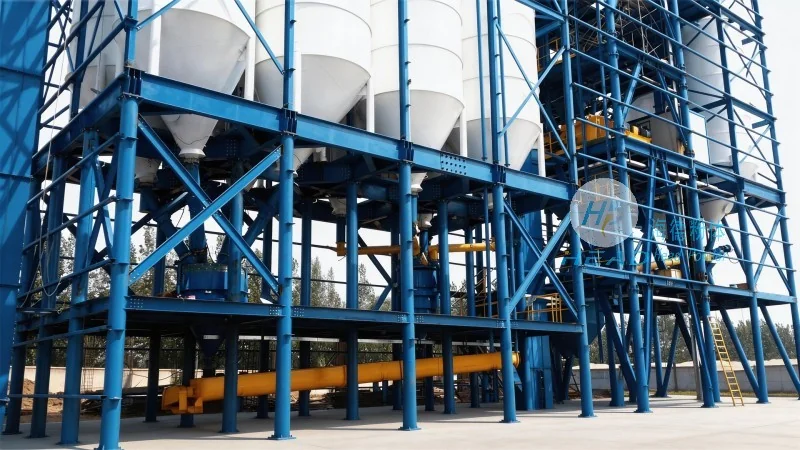
When considering the transportation of precipitated barium sulfate, pneumatic conveying offers several advantages over traditional mechanical methods. One of the primary benefits is the ability to handle fine powders without the risk of clogging or blockages that can occur with mechanical systems. The enclosed pipeline design also helps to contain dust and prevent contamination, which is critical for maintaining product purity in applications like pharmaceuticals or cosmetics. Additionally, pneumatic systems provide flexibility in terms of layout, as the pipeline can be routed around obstacles or integrated into existing facility designs. This adaptability reduces installation costs and allows for easier expansion or modification of the conveying system over time. Another advantage is the reduced need for maintenance compared to mechanical systems, as there are fewer moving parts that can wear out or require regular servicing. The energy efficiency of pneumatic conveying, particularly when using positive pressure systems, can also lead to lower operational costs in the long run. By minimizing the risk of material degradation and ensuring consistent flow rates, this technology helps to improve overall process reliability and product quality.
Application Examples in Industrial Settings
Precipitated barium sulfate is commonly used as a filler or opacifier in various industries, including coatings, plastics, and paper. In these applications, the material needs to be transported from storage to processing equipment, such as mixers or extruders, with minimal loss or contamination. Pneumatic conveying systems are well-suited for this task, as they can handle the fine particle size of the powder and maintain a clean, controlled environment. For example, in a paint manufacturing facility, the barium sulfate may be stored in a large silo and conveyed pneumatically to a mixing tank where it is combined with other pigments and binders. The system ensures that the powder is added in precise quantities, without the need for manual handling or the risk of dust exposure to workers. Similarly, in the production of plastic compounds, the barium sulfate is conveyed from a storage bin to an extruder, where it is blended with other polymers to create the final product. The efficiency of the pneumatic system allows for continuous production, reducing downtime and increasing overall productivity. In the paper industry, the material may be used as a coating agent on paper sheets, and the conveying system ensures that it is applied uniformly and at the correct concentration, improving the quality and durability of the final product.
Key Considerations for Implementing Pneumatic Conveying Systems
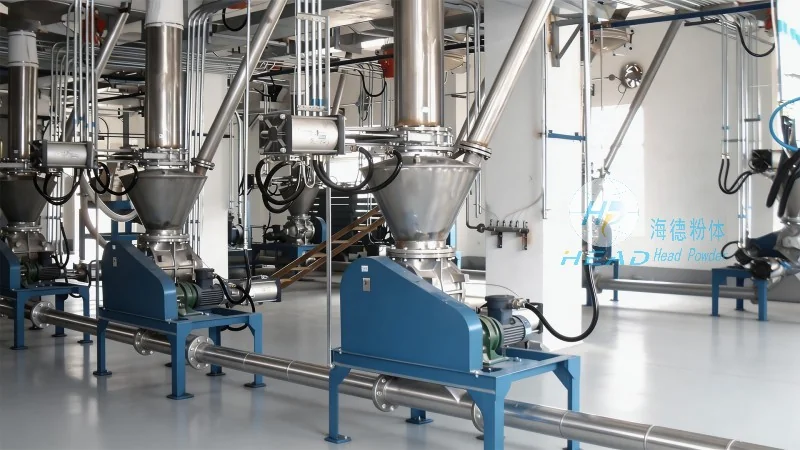
When planning to implement a pneumatic conveying system for precipitated barium sulfate, several factors must be considered to ensure optimal performance and reliability. First, the particle size and flow characteristics of the material are critical. Fine powders like barium sulfate require higher air velocities and more efficient feeding mechanisms to prevent clogging. The system design must account for the specific properties of the powder, such as its density, moisture content, and abrasiveness. Additionally, the choice between positive and negative pressure systems depends on the distance and layout of the conveying line. Longer distances may require positive pressure systems to maintain sufficient air pressure, while shorter distances can use negative pressure to save energy. The selection of materials for the pipeline and components is also important, as precipitated barium sulfate can be corrosive or reactive with certain metals. Stainless steel or PTFE-lined pipes are often preferred to prevent contamination and ensure longevity. Proper maintenance and monitoring of the system are essential to prevent issues such as air leaks, blockages, or wear on components. Regular cleaning of filters and cyclones, as well as checking for air pressure and flow rates, helps to maintain the system's efficiency and prevent downtime. By addressing these considerations, users can ensure that the pneumatic conveying system operates effectively and meets the specific needs of their application.
Conclusion: The Role of Pneumatic Conveying in Precipitated Barium Sulfate Handling
In conclusion, pneumatic conveying is a highly effective method for transporting precipitated barium sulfate, offering advantages in terms of efficiency, flexibility, and material handling. By understanding the working principles and key components of this technology, industrial users can make informed decisions about implementing or upgrading their material transport systems. The ability to handle fine powders, maintain product purity, and adapt to various facility layouts makes pneumatic conveying a preferred choice for many applications. As the demand for reliable and efficient powder handling continues to grow, the use of pneumatic systems for precipitated barium sulfate and other similar materials is likely to remain a standard in industrial processing. The expertise of companies like Shandong HeadPowder Engineering Co., Ltd., based in China, plays a crucial role in providing tailored solutions that meet the specific needs of clients, ensuring that the transportation of this important chemical compound is carried out safely and effectively.




