Understanding the process of sodium hydroxide powder pneumatic conveying is crucial for industries that rely on efficient and safe handling of this essential chemical. This article delves into the working principles of powder handling systems, specifically focusing on how pneumatic conveying technology facilitates the transport of sodium hydroxide powder. By exploring the mechanisms and benefits of such systems, readers can gain valuable insights into modern powder processing solutions.
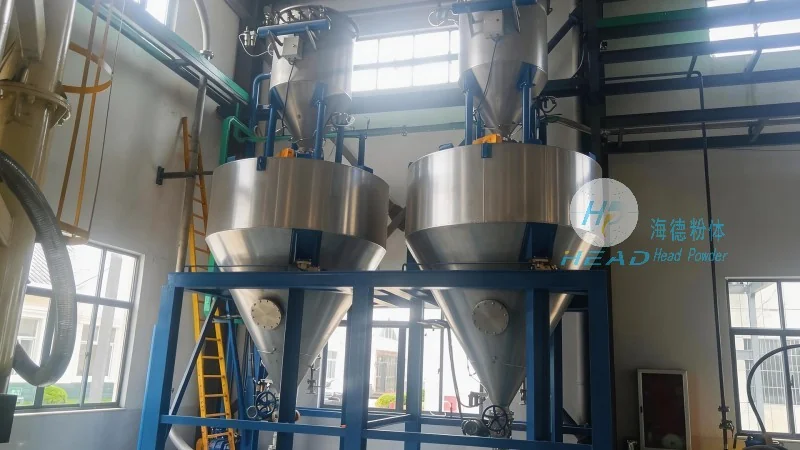
Introduction to Sodium Hydroxide Powder Pneumatic Conveying
Sodium hydroxide, commonly known as caustic soda, is a widely used chemical in various industrial applications, including manufacturing, cleaning, and chemical synthesis. When handled in powder form, its transportation requires specialized equipment to ensure safety, efficiency, and minimal product degradation. Pneumatic conveying systems offer a reliable solution for moving sodium hydroxide powder from storage to processing units, or between different stages of production. These systems utilize air or other gases to transport the powder particles through a pipeline, eliminating the need for mechanical components like belts or buckets that might cause contamination or wear.
HeadPowder: A Leader in Powder Handling Solutions
At Shandong HeadPowder Engineering Co., Ltd., we specialize in designing and manufacturing advanced powder handling systems tailored to the unique needs of our clients. Our company, commonly referred to as HeadPowder, is headquartered in Shandong, China, and has built a reputation for delivering high-quality, reliable equipment for the chemical and material processing industries. With years of experience in the field, we understand the importance of efficient and safe powder transport, which is why we focus on developing pneumatic conveying solutions that meet the stringent requirements of modern manufacturing.
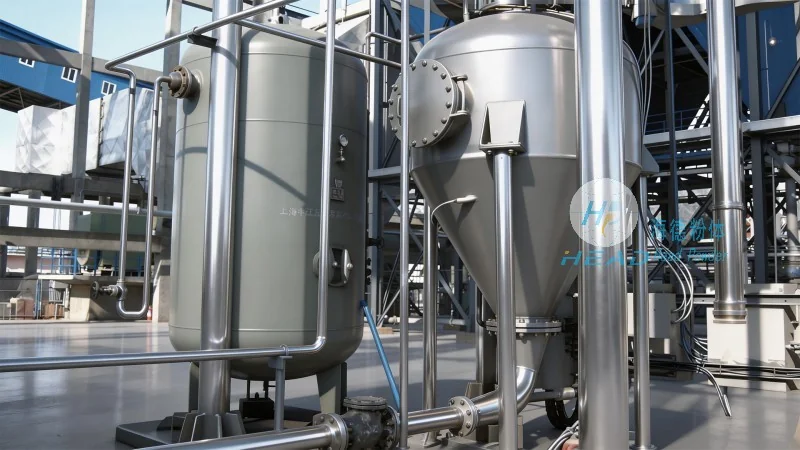
The Working Principle of Pneumatic Conveying Systems
Pneumatic conveying systems operate on the principle of using air or gas to create a flow that transports powder particles through a pipeline. There are two main types of pneumatic conveying: dilute-phase and dense-phase. Dilute-phase systems use higher air velocities to move powder particles in a dispersed state, while dense-phase systems use lower velocities to transport the powder in a more concentrated form, often with the aid of pressure or vacuum. For sodium hydroxide powder, the choice of system depends on factors such as the powder's characteristics, the distance to be transported, and the required flow rate. The system typically consists of a hopper, a conveyor line, and a receiver, with additional components like filters, cyclones, and pressure regulators to ensure smooth operation and product purity.
Key Components and Their Functions
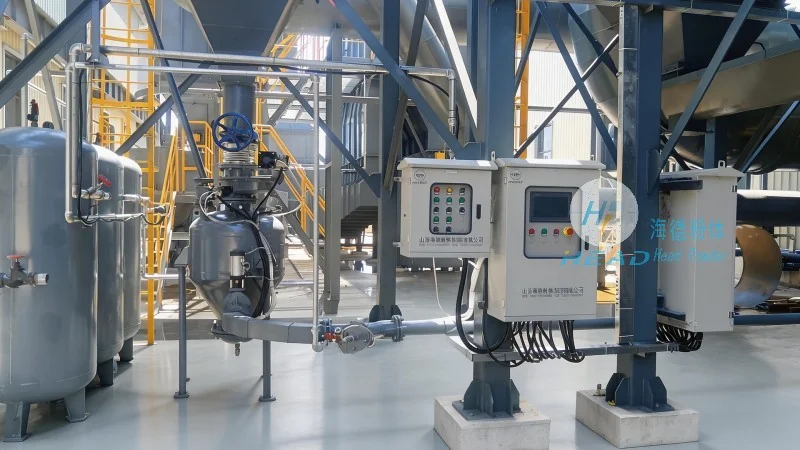
Several critical components work together to ensure the efficient operation of a sodium hydroxide powder pneumatic conveying system. The hopper serves as the storage container, holding the powder and providing a consistent feed to the conveyor. The conveyor line, often made of stainless steel or other corrosion-resistant materials, transports the powder through the system. The receiver collects the powder at the destination and may include a filter or cyclone to separate any entrained air or dust. Pressure regulators and vacuum pumps are used to control the air flow and maintain the required pressure levels. Additionally, sensors and control systems monitor the system's performance, ensuring that any issues are detected and addressed promptly. These components are designed to work in harmony, providing a reliable and efficient means of transporting sodium hydroxide powder.
Benefits of Using Pneumatic Conveying for Sodium Hydroxide
Implementing a pneumatic conveying system for sodium hydroxide powder offers numerous benefits for industrial operations. One of the primary advantages is the elimination of manual handling, which reduces the risk of accidents and exposure to the chemical. The system also minimizes product contamination, as it does not use mechanical parts that might introduce foreign substances. Additionally, pneumatic conveying systems can handle large volumes of powder efficiently, reducing the time and labor required for transportation. The flexibility of these systems allows for easy integration into existing production lines, and they can be customized to meet specific process requirements. Overall, the use of pneumatic conveying technology enhances the safety, efficiency, and productivity of sodium hydroxide powder handling operations.
Applications and Industries
Sodium hydroxide powder pneumatic conveying systems are widely used in various industries that rely on this chemical. In the chemical industry, these systems are used for transporting caustic soda between reactors, storage tanks, and processing units. In the manufacturing sector, they are employed in the production of soaps, detergents, and other cleaning products. The food and beverage industry also utilizes these systems for processing ingredients that require sodium hydroxide, such as in the production of paper and textiles. By providing a reliable and efficient means of powder transport, pneumatic conveying systems support the smooth operation of these industries and contribute to their overall productivity.
Conclusion
In conclusion, sodium hydroxide powder pneumatic conveying is a vital technology for industries that handle this essential chemical. The working principles of powder handling systems, combined with the expertise of companies like Shandong HeadPowder Engineering Co., Ltd., enable efficient and safe transportation of sodium hydroxide powder. By understanding the components and benefits of these systems, businesses can enhance their operational efficiency and ensure the safety of their personnel. As the demand for reliable powder handling solutions continues to grow, pneumatic conveying technology remains a cornerstone of modern industrial processes.




