

The Operation Process and Working Principle of Iron Oxide Pulverized Material Pneumatic Conveying
Iron oxide, a common industrial material, often requires efficient and reliable transport methods for processing and application. Pneumatic conveying systems offer a solution by utilizing air to move the material, providing advantages such as reduced contamination, improved safety, and enhanced process control. This article explores the operation process and working principle of pneumatic conveying systems specifically designed for iron oxide, highlighting key components, operational steps, and the technical aspects that ensure effective material handling.
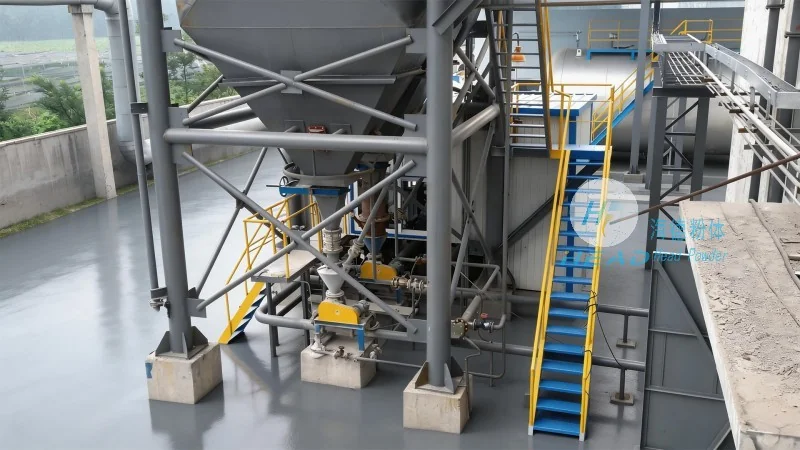
Key Components of Pneumatic Conveying Systems for Iron Oxide
The pneumatic conveying system for iron oxide typically consists of several critical components that work in tandem to achieve efficient material transport. These include the hopper or feeder, which holds the iron oxide material; the air compressor or blower that generates the necessary air pressure; the conveying line, which may be flexible or rigid depending on the system design; and the receiver or discharge point where the material is deposited. Additionally, control valves, filters, and dust collection systems are integral to maintaining system efficiency and safety. Each component plays a vital role in ensuring the smooth and continuous movement of iron oxide particles through the system.
The Working Principle of Pneumatic Conveying for Iron Oxide
The core working principle of pneumatic conveying for iron oxide involves creating a pressure differential between the material source and the discharge point. The air compressor generates high-pressure air, which is introduced into the conveying line. As air flows through the line, it draws iron oxide particles from the hopper into the system. The particles are then carried along the line by the moving air stream, with the velocity and pressure of the air ensuring that the material remains suspended and transported to the receiver. The system may operate in either positive pressure or negative pressure modes, depending on the application and system design. Positive pressure systems use compressed air to push the material, while negative pressure systems use suction to pull the material. For iron oxide, positive pressure systems are often preferred due to their ability to handle higher material loads and provide better control over the conveying process.
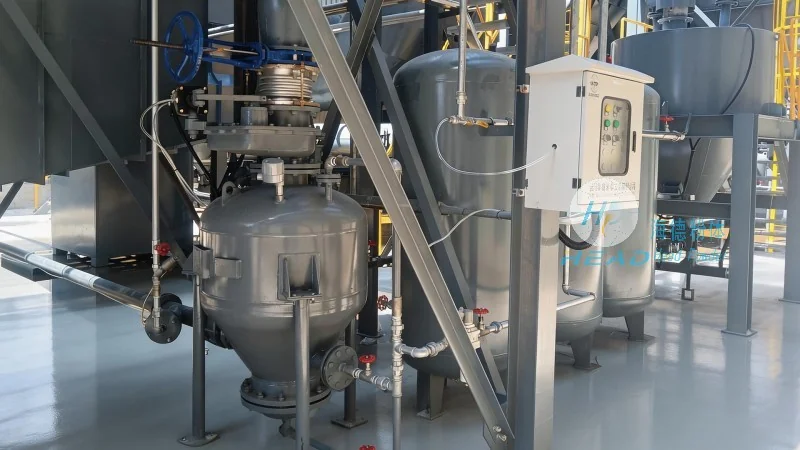
Operation Process of Iron Oxide Pneumatic Conveying
The operation process of an iron oxide pneumatic conveying system involves several sequential steps that ensure the material is transported efficiently and safely. The process begins with the loading of iron oxide into the hopper or feeder. The feeder then regulates the flow of material into the conveying line, ensuring a consistent feed rate. The air compressor starts, generating the required air pressure, which is then directed into the conveying line. As the air flows, it picks up the iron oxide particles from the hopper and transports them to the receiver. The receiver is designed to collect the material and may include a silo or storage tank for further processing. Throughout the operation, the system's control panel monitors parameters such as air pressure, material flow rate, and system pressure, allowing for real-time adjustments to maintain optimal performance. Regular maintenance, including cleaning of filters and checking for air leaks, is essential to prevent system downtime and ensure long-term reliability.
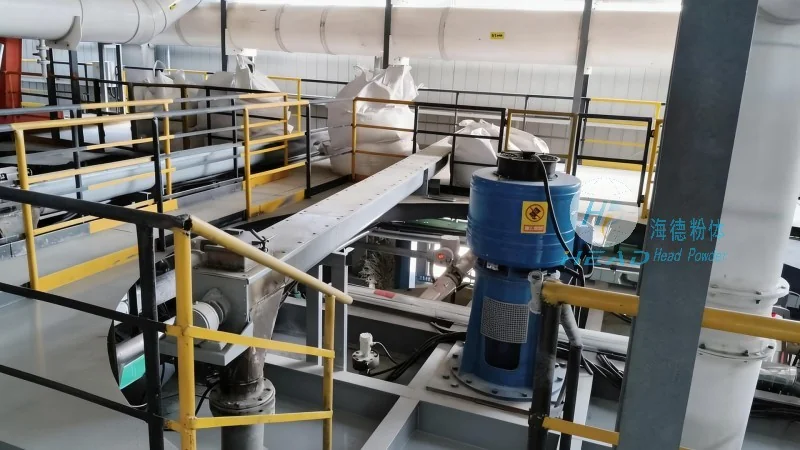
Advantages of Pneumatic Conveying for Iron Oxide Handling
Pneumatic conveying systems offer several advantages when handling iron oxide, making them a preferred choice in many industrial applications. One of the primary benefits is the ability to transport iron oxide in a closed system, which minimizes dust exposure and reduces environmental contamination. This is particularly important for iron oxide, as it can be a fine powder that poses respiratory hazards if not handled properly. Additionally, pneumatic conveying systems provide better control over the material flow, allowing for precise dosing and consistent material delivery to downstream processes. The systems also reduce the risk of material degradation or contamination from external sources, as the material remains enclosed throughout the transport process. Furthermore, pneumatic conveying can handle a wide range of material sizes and moisture content, making it versatile for various iron oxide applications. The efficiency of the system in terms of energy consumption and material throughput also contributes to its economic advantages, especially in large-scale operations.
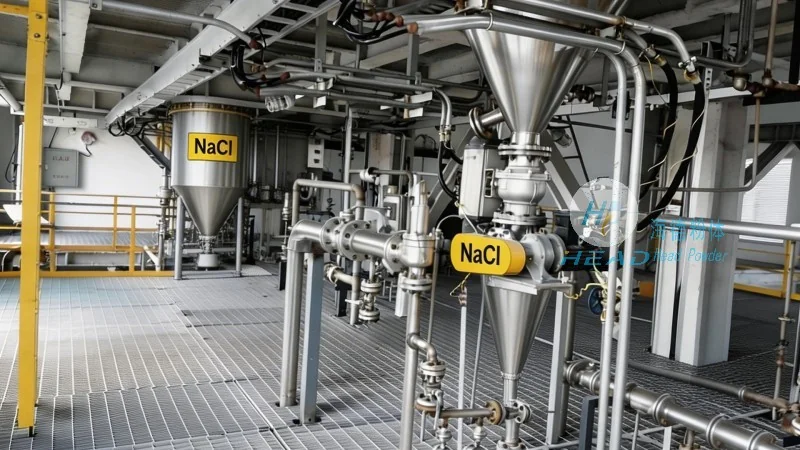
Applications and Industries Using Iron Oxide Pneumatic Conveying
The use of pneumatic conveying systems for iron oxide is widespread across various industries that rely on this material for their processes. In the chemical industry, iron oxide is used as a pigment and in the production of other chemicals, and pneumatic conveying ensures that it is transported safely and efficiently to production lines. The steel industry also utilizes iron oxide in the production of steel, and pneumatic conveying systems help in moving the material from storage to the blast furnace or other processing equipment. Additionally, the manufacturing industry, particularly in the production of paints, coatings, and ceramics, uses iron oxide as a raw material, and pneumatic conveying facilitates its transport to production facilities. The pharmaceutical industry may also use iron oxide in certain formulations, and the closed system of pneumatic conveying ensures that the material is handled hygienically and without contamination. Each of these industries benefits from the reliability and efficiency of pneumatic conveying systems, which are tailored to handle the specific requirements of iron oxide handling.
Conclusion and Company Information
Pneumatic conveying systems represent an effective and efficient method for handling iron oxide, offering advantages in safety, control, and material integrity. The operation process involves careful coordination of components and parameters to ensure smooth material transport. As a leading provider in this field, Shandong HeadPowder Engineering Co., Ltd. specializes in designing and manufacturing pneumatic conveying systems tailored to the needs of iron oxide handling. With a focus on quality and reliability, the company ensures that its systems meet the highest standards for performance and safety. Located in Shandong, China, HeadPowder has extensive experience in industrial material handling solutions, providing customized solutions for various applications. The company's expertise in pneumatic conveying technology ensures that clients receive systems that are optimized for their specific iron oxide handling requirements, contributing to improved operational efficiency and reduced costs.