Polystyrene, a widely used thermoplastic polymer, is often handled in bulk form for various industrial applications. Pneumatic conveying offers an efficient method to transport this material from one location to another, ensuring minimal product degradation and maintaining operational safety. This article explores the operation process and working principle of polystyrene pneumatic conveying systems, highlighting key components, operational steps, and the technical aspects that ensure reliable material transport.
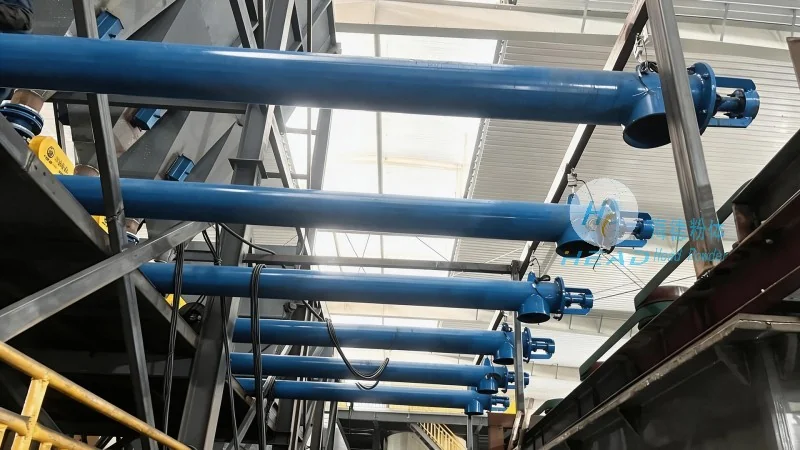
Key Components of Pneumatic Conveying Systems for Polystyrene
The effectiveness of polystyrene pneumatic conveying relies on several critical components that work in tandem to facilitate material movement. These include the hopper or feed hopper, which stores the polystyrene and feeds it into the system; the air compressor or blower, which generates the necessary airflow to move the material; the conveying line, typically made of stainless steel or other corrosion-resistant materials to handle polystyrene particles; and the control system, which regulates the airflow and pressure to maintain optimal conveying conditions. Additionally, accessories such as cyclones for separation, filters to capture fine particles, and silencers to reduce noise are essential for maintaining system efficiency and safety.
Working Principle of Polystyrene Pneumatic Conveying
The working principle of polystyrene pneumatic conveying involves the use of compressed air to create a flow that transports the material through the conveying line. In the positive pressure system, air is forced into the hopper, lifting the polystyrene particles and propelling them through the line. The material is then discharged at the receiving end, where it is collected in a storage bin or processing equipment. The negative pressure system, also known as a vacuum system, uses a vacuum to draw the polystyrene from the source and transport it to the destination. Both systems are designed to handle the specific properties of polystyrene, such as its light weight and potential for static charge, by incorporating features like anti-static additives or grounding mechanisms to prevent material buildup and ensure smooth operation.
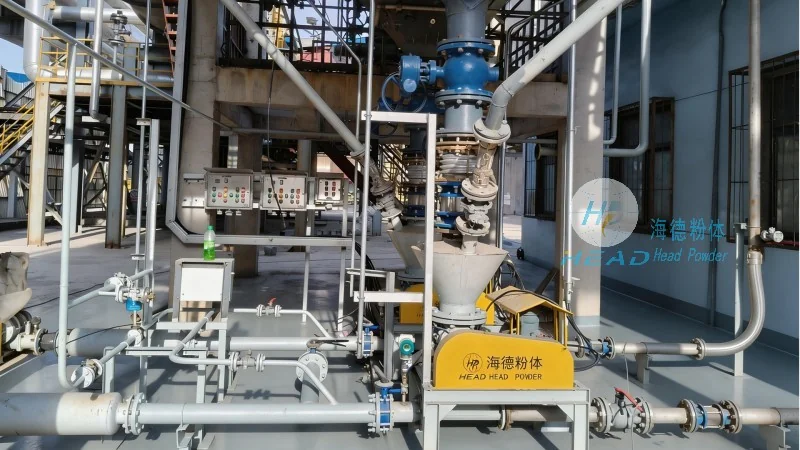
Operation Process of Polystyrene Pneumatic Conveying
The operation process of a polystyrene pneumatic conveying system typically involves several sequential steps. First, the polystyrene is loaded into the feed hopper, ensuring a consistent feed rate to avoid system overload. The air compressor is then activated, and the control system adjusts the airflow to achieve the desired conveying velocity. As the material is fed into the system, it is lifted by the compressed air and travels through the conveying line. At the receiving end, the material is discharged into a collection container, and the air is filtered to remove any fine particles before being released. The system continuously monitors pressure, flow rate, and other parameters to maintain optimal performance, with automatic adjustments made as needed to handle variations in material feed or system conditions.
Advantages of Using Pneumatic Conveying for Polystyrene
Pneumatic conveying offers several advantages when handling polystyrene, making it a preferred method in many industries. These include the ability to transport materials over long distances without the need for multiple transfer points, reduced product contamination due to enclosed systems, and improved safety by eliminating manual handling of bulk materials. Additionally, pneumatic conveying systems can be designed to handle varying particle sizes and moisture content, ensuring consistent material quality. The systems are also relatively compact and can be integrated into existing production lines, making them a cost-effective solution for polystyrene transport needs.
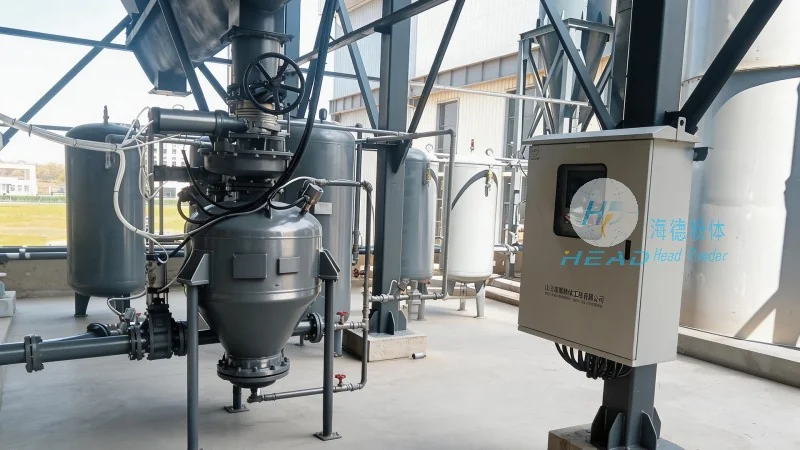
Considerations for Polystyrene Pneumatic Conveying Systems
When implementing a polystyrene pneumatic conveying system, several considerations must be taken into account to ensure optimal performance and longevity. Material properties, such as polystyrene's tendency to generate static charge, require anti-static measures to prevent material buildup and ensure smooth flow. The system design must also account for the material's light weight and potential for dust generation, incorporating filters and cyclones to maintain air quality and prevent system blockages. Additionally, the choice of conveying line material and system pressure must be carefully evaluated to handle the specific characteristics of polystyrene and avoid degradation or wear over time. Regular maintenance and monitoring are essential to prevent system failures and ensure consistent performance.
Conclusion
Polystyrene pneumatic conveying systems provide an efficient and reliable method for transporting bulk polystyrene, offering advantages in safety, contamination control, and operational flexibility. By understanding the key components, working principles, and operation process, industries can effectively implement these systems to meet their material handling needs. With proper design, maintenance, and operation, polystyrene pneumatic conveying ensures consistent performance and contributes to overall production efficiency.




