Automatic blending and metering pneumatic conveying systems represent a sophisticated approach to material handling, particularly in industries requiring precise control over the mixing and delivery of powders and granules. This technology integrates advanced automation with pneumatic transport mechanisms to ensure consistent quality and operational efficiency. The following sections explore the fundamental principles behind these systems and highlight key application scenarios where their benefits are most pronounced.
Core Principles of Automatic Blending and Metering Pneumatic Conveying
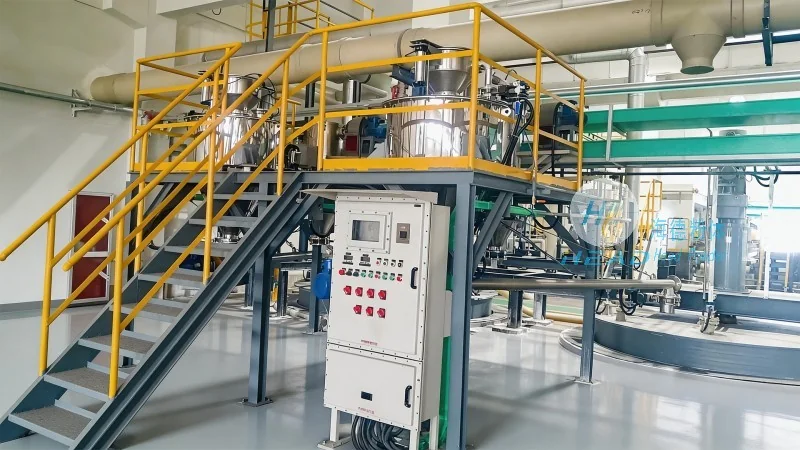
The foundation of automatic blending and metering pneumatic conveying lies in the combination of precise material measurement and efficient air-driven transport. At its core, the system operates by using a controlled airflow to draw material from a storage hopper or silo into a conveying line. The key components typically include a feeder, which regulates the flow rate of the material, and a conveying pipeline that transports the material to the discharge point. The system may also incorporate blending chambers or mixers to achieve uniform composition before final delivery.
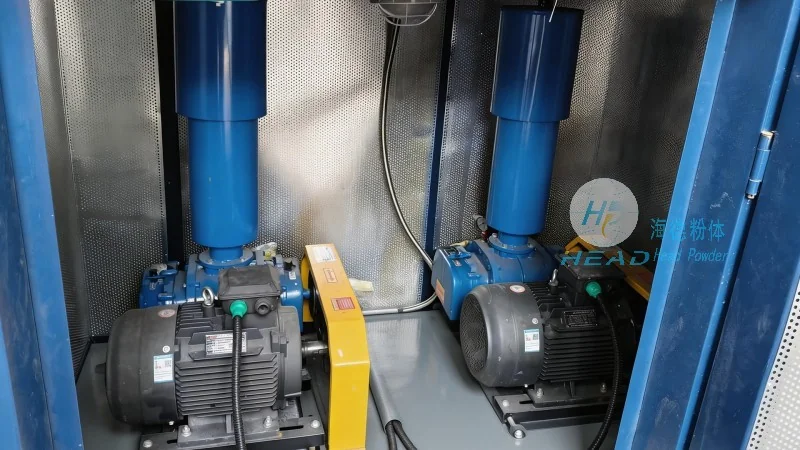
One of the critical principles is the ability to maintain a consistent material flow rate, which is essential for accurate metering. This is achieved through variable-speed feeders or pressure-controlled systems that adjust to changes in material density or pipeline resistance. The pneumatic conveying aspect relies on the differential pressure created by the air compressor, which propels the material through the pipeline. The design of the system, including the choice of air velocity and pipeline diameter, is optimized to minimize material degradation and ensure reliable transport, even for delicate or abrasive powders.
Application Scenarios and Operational Advantages
Automatic blending and metering pneumatic conveying is widely adopted in industries such as pharmaceuticals, food processing, chemical manufacturing, and cement production. In pharmaceutical applications, for instance, the system ensures that active ingredients are mixed with excipients in precise ratios, adhering to stringent regulatory standards. The ability to control the flow of each component independently allows for the production of customized formulations with minimal batch-to-batch variation.
In the food industry, these systems are used for blending spices, flavors, and other additives into bulk ingredients, maintaining product consistency and preventing cross-contamination. The metering function is particularly valuable here, as it ensures that the correct proportion of each ingredient is added to the final product, enhancing both quality and safety. Similarly, in chemical manufacturing, the system facilitates the blending of reactive powders or catalysts, where precise control over the mixture is critical to process efficiency and product performance.
Another significant advantage of this technology is its ability to handle a wide range of materials, from fine powders to coarse granules, without the need for mechanical components that could cause wear or contamination. The pneumatic transport method also eliminates the risk of material buildup or blockages that are common in traditional screw or belt conveyors, reducing downtime and maintenance costs. Furthermore, the system's compact design and integration with existing production lines make it a versatile solution for both new installations and retrofitting in existing facilities.
Operational Considerations and System Integration
When implementing an automatic blending and metering pneumatic conveying system, several operational considerations must be addressed to maximize performance and reliability. The selection of the appropriate air compressor and filtration system is crucial, as it directly impacts the quality of the conveyed material and the longevity of the equipment. Proper maintenance, including regular cleaning of the pipeline and feeder components, is essential to prevent material accumulation and ensure consistent flow rates.
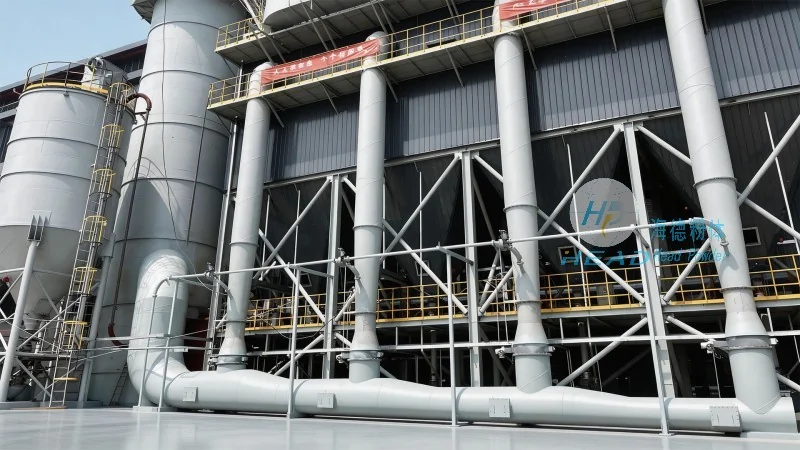
System integration with other production processes, such as batching or packaging equipment, is another key aspect. The ability to interface with programmable logic controllers (PLCs) or other automation systems allows for seamless control over the entire production line. This integration enables real-time monitoring of material flow rates, blending ratios, and system performance, facilitating data-driven decision-making and process optimization.
Additionally, the system's design must account for factors such as material density, particle size distribution, and moisture content, as these variables can affect the conveying efficiency and overall system performance. Advanced control algorithms and sensors are often employed to adapt to these variations, ensuring that the system operates at peak efficiency under changing conditions.
Conclusion
Automatic blending and metering pneumatic conveying systems offer a robust and efficient solution for industries requiring precise control over material handling and mixing processes. By combining the principles of automated metering with pneumatic transport, these systems provide consistent quality, reduced downtime, and enhanced operational flexibility. As a leading provider in this field, Shandong HeadPowder Engineering Co., Ltd. specializes in designing and manufacturing customized solutions tailored to the specific needs of each client, ensuring optimal performance and reliability in diverse industrial applications.




