

Principle and Working Scene Characteristics of Automatic Bulk Bag Opening and Pneumatic Conveying fo
Automatic bulk bag opening and pneumatic conveying systems represent a sophisticated solution for handling bulk powders efficiently in industrial settings. This technology integrates the processes of bulk bag (also known as FIBCs or flexible intermediate bulk containers) opening with pneumatic conveying, enabling seamless material transfer from storage to processing equipment. The system is designed to enhance operational efficiency, reduce labor costs, and improve safety by automating the handling of powders that are often dusty, abrasive, or sensitive to moisture. Shandong HeadPowder Engineering Co., Ltd., a leading provider of such systems, specializes in developing customized solutions tailored to the specific needs of various industries.
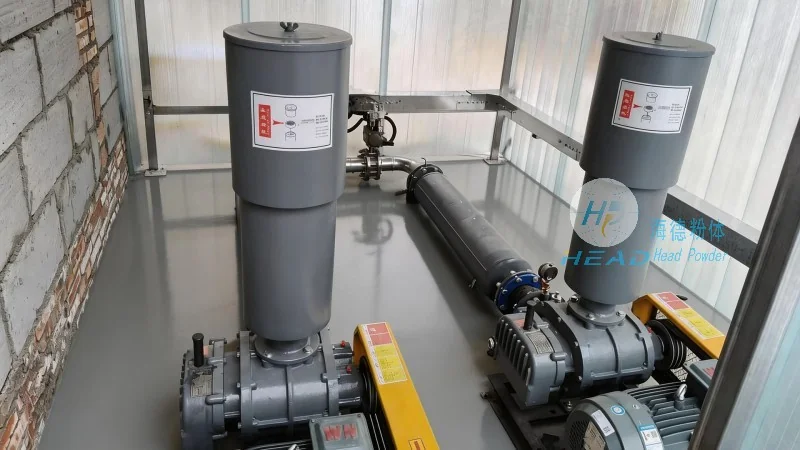
The Core Principle of Pneumatic Conveying
Pneumatic conveying operates on the principle of using air or gas to transport bulk materials through a pipeline. In the context of automatic bulk bag opening, the system typically involves a combination of vacuum or pressure-based conveying methods. The process begins with the opening of the bulk bag, where a specialized opening device (such as a valve or a mechanical cutter) releases the powder into a hopper or a conveying line. The air is then introduced to create a flow, either by creating a vacuum to draw the material or by applying pressure to push it forward. The choice between vacuum and pressure conveying depends on factors like the material's density, flowability, and the distance to be conveyed. For example, vacuum systems are often used for short-distance or low-density materials, while pressure systems are suitable for longer distances or higher-density powders.
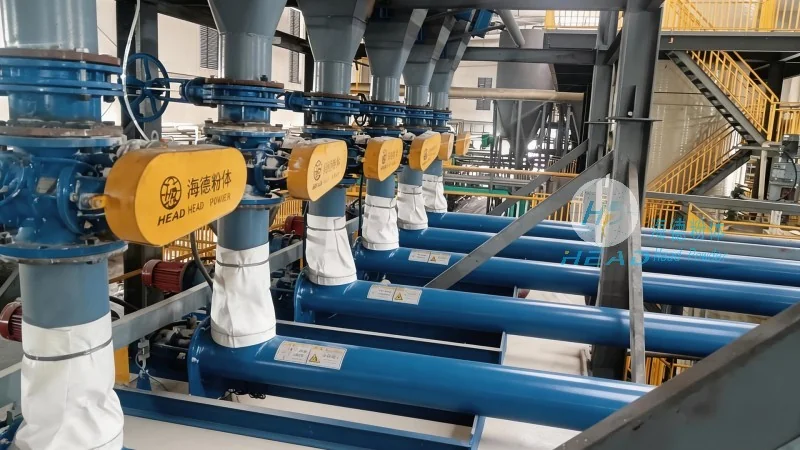
Key Components of the Automatic Bulk Bag Opening System
The automatic bulk bag opening system consists of several critical components that work in tandem to ensure smooth operation. These include the bulk bag itself, an opening mechanism (such as a bag valve or a cutting device), a hopper or a feeding unit to collect the released powder, a conveying line (usually made of stainless steel or other corrosion-resistant materials), and a control system. The opening mechanism is designed to safely and efficiently release the powder without causing spillage or contamination. For instance, some systems use a rotary valve or a pneumatic actuator to open the bag, while others employ a mechanical cutter that severs the bag's top and allows the material to flow into the hopper. The control system monitors the process, ensuring that the air pressure or vacuum level is maintained at optimal levels, and that the conveying speed is adjusted according to the material's characteristics.
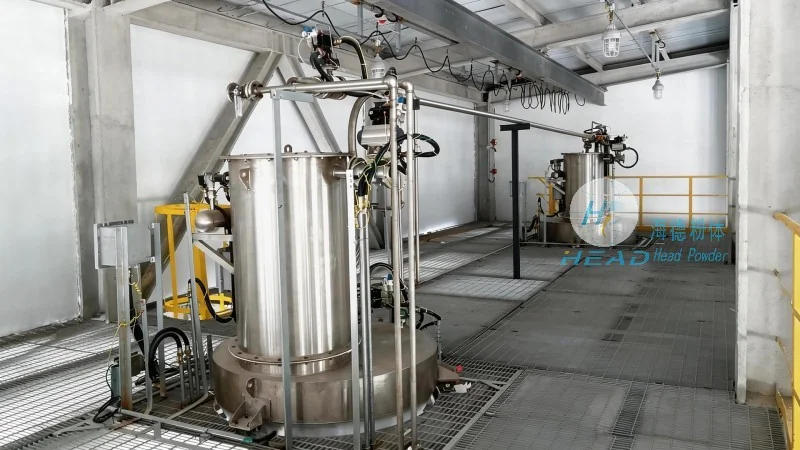
Working Scene Characteristics: Industrial Applications
The working scene characteristics of automatic bulk bag opening and pneumatic conveying are highly adaptable to various industrial applications. In the chemical industry, for example, this system is used to handle powders such as polymers, pigments, and additives, which require precise control over moisture and contamination. The system's ability to maintain a closed environment during the transfer process helps prevent dust emissions and ensures product purity. In the food and beverage industry, the system is used for handling ingredients like flour, sugar, and spices, where hygiene and safety are paramount. The stainless steel construction of the conveying line and the enclosed design of the system meet the stringent requirements of food processing regulations. Similarly, in the pharmaceutical industry, the system is used to handle active pharmaceutical ingredients (APIs) and excipients, where the risk of cross-contamination is critical. The system's ability to operate in a cleanroom environment or with sterile components ensures that the powders remain free from contaminants.
Advantages and Benefits in Practical Use
Implementing an automatic bulk bag opening and pneumatic conveying system offers several advantages over traditional manual handling methods. First, it significantly reduces labor costs by automating the process of opening and transferring bulk bags. This eliminates the need for manual handling, which can be hazardous, especially when dealing with dusty or heavy materials. Second, the system improves safety by minimizing human exposure to the powder, reducing the risk of respiratory diseases or skin irritation. Third, it enhances efficiency by allowing for continuous operation, as the system can handle multiple bulk bags without interruption. The ability to adjust the conveying speed and pressure according to the material's characteristics ensures optimal performance and reduces material degradation. Additionally, the system's enclosed design helps control dust emissions, which is essential for maintaining a clean and safe working environment.
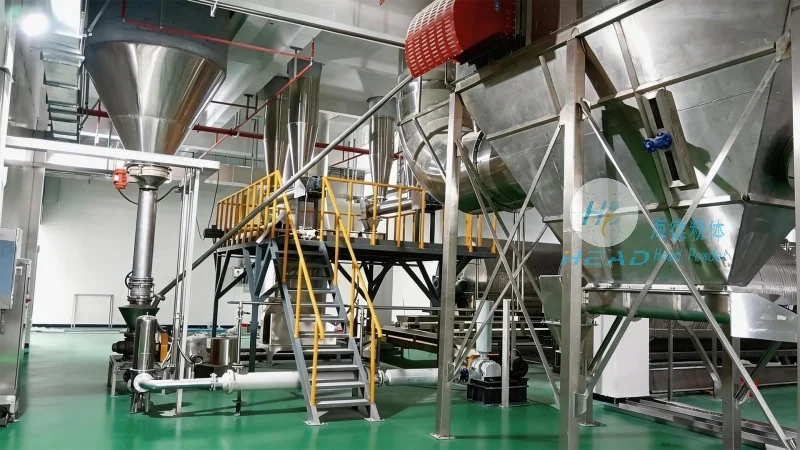
Case Study: Application in a Chemical Plant
Consider a chemical plant that processes a variety of powders, including calcium carbonate and titanium dioxide. The plant previously relied on manual handling of bulk bags, which was time-consuming and posed safety risks due to dust exposure. After implementing an automatic bulk bag opening and pneumatic conveying system from Shandong HeadPowder Engineering Co., Ltd., the plant experienced significant improvements. The system was able to handle up to 10 bulk bags per hour, reducing the processing time by 40%. The dust emissions were reduced by 90%, and the labor costs were cut by 30%. The plant also reported improved product quality, as the system's precise control over the conveying process minimized material degradation. This case study illustrates the practical benefits of the system in a real-world industrial setting.