For lithium-ion battery manufacturers, the efficient and safe transport of positive and negative electrode materials is a critical step in the production process. The choice of transport method directly impacts production efficiency, material quality, and operational costs. This article provides a detailed comparison of common transport methods for lithium-ion battery electrode materials, focusing on their advantages and disadvantages.
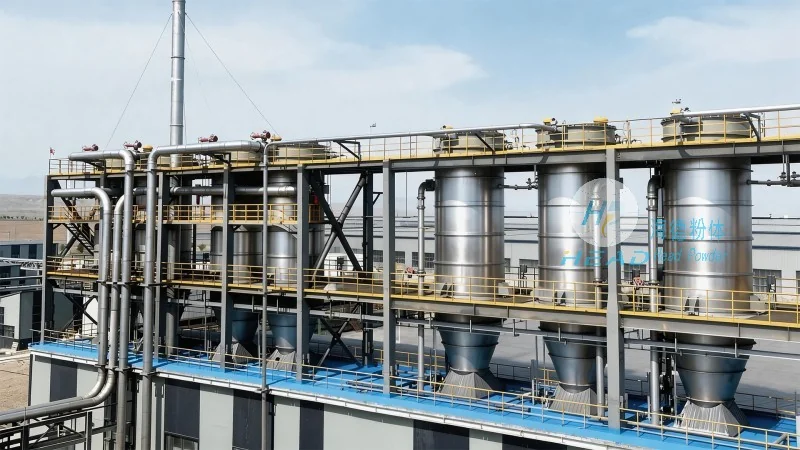
1. Screw Conveyor (Auger Conveyor)
Screw conveyors are widely used in the lithium-ion battery material handling process due to their simple structure and low cost. They are suitable for transporting powders with good flowability, such as some types of cathode and anode materials. The screw conveyor works by rotating a screw inside a tube, pushing the material forward. The advantages of screw conveyors include low maintenance requirements, ability to operate in a vertical or inclined position, and relatively low investment costs. However, their disadvantages are also significant. For example, they are not suitable for materials with poor flowability or high moisture content, as this can cause blockages and reduce conveying efficiency. Additionally, screw conveyors have limited conveying capacity and are prone to material wear on the screw and tube, which may affect material quality over time.
2. Pneumatic Conveying System
Pneumatic conveying systems use air pressure to transport materials, which is an ideal solution for materials that are difficult to handle with mechanical conveyors, such as fine powders or materials with high moisture content. This method can be divided into positive pressure and negative pressure systems. Positive pressure systems blow air into the material to push it forward, while negative pressure systems create a vacuum to draw the material in. The advantages of pneumatic conveying include high conveying efficiency, ability to transport materials over long distances, and minimal material contamination. However, this method has some drawbacks. The energy consumption is relatively high, and the system requires strict air filtration to prevent dust pollution. Moreover, the cost of the equipment is higher than that of mechanical conveyors, and the maintenance of air compressors and filters is more complex.
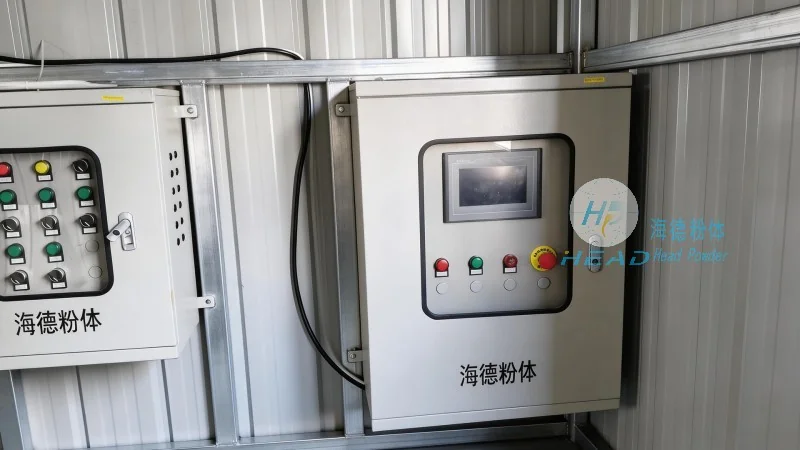
3. Belt Conveyor
Belt conveyors are commonly used in large-scale material handling, especially for transporting bulk materials. They consist of a continuous belt that moves over rollers or idlers, carrying the material along the path. Belt conveyors are suitable for transporting a wide range of materials, including those with high bulk density or large particle sizes. The advantages of belt conveyors include high conveying capacity, ability to transport materials over long distances, and low maintenance costs for the conveyor itself. However, they have limitations in terms of flexibility and space requirements. Belt conveyors require a relatively flat and stable operating environment, and the installation cost is higher compared to other methods. Moreover, they are not suitable for materials that are easily damaged or have a tendency to stick to the belt.
4. Vibrating Conveyor
Vibrating conveyors use vibration to move materials along a trough. The vibration is generated by an electric motor and a vibration exciter, which causes the material to move forward. This method is suitable for materials with poor flowability or high moisture content, as the vibration helps to break up clumps and improve material flow. The advantages of vibrating conveyors include high efficiency for handling difficult materials, ability to operate in a vertical or inclined position, and low energy consumption. However, their disadvantages include higher initial investment costs and more complex maintenance compared to other conveyors. The vibration system is prone to wear and tear, and the trough may require regular cleaning to prevent material accumulation.
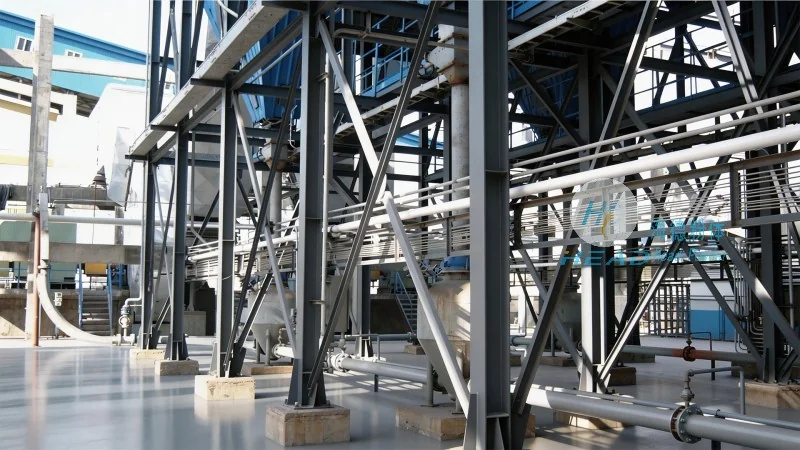
5. Comparison Summary
When selecting a transport method for lithium-ion battery electrode materials, manufacturers need to consider multiple factors, including material properties, production scale, and cost. Screw conveyors are suitable for small-scale or low-cost applications with suitable materials. Pneumatic conveying is ideal for fine powders or materials with high moisture content but requires higher energy input. Belt conveyors are suitable for large-scale production with high capacity requirements. Vibrating conveyors are effective for materials with poor flowability but involve higher maintenance costs. Ultimately, the choice of transport method should be based on a comprehensive evaluation of the specific production needs and material characteristics.
Conclusion
Efficient material transport is essential for the stable operation of lithium-ion battery production lines. By understanding the advantages and disadvantages of different transport methods, manufacturers can select the most appropriate solution to ensure production efficiency, material quality, and operational safety. As a professional supplier of material handling equipment, Shandong HeadPowder Engineering Co., Ltd. provides a range of transport solutions tailored to the needs of lithium-ion battery manufacturers, helping to optimize production processes and improve overall performance.




