

Principles and Application Scenarios of Intelligent Bulk Material Pneumatic Conveying
HeadPowder, a leading engineering company based in Shandong, China, specializes in the design, manufacturing, and implementation of advanced pneumatic conveying systems for bulk material handling. This article explores the fundamental principles of intelligent bulk material pneumatic conveying and highlights the key characteristics of its application scenarios, providing a comprehensive overview for industries seeking efficient and reliable material transport solutions.
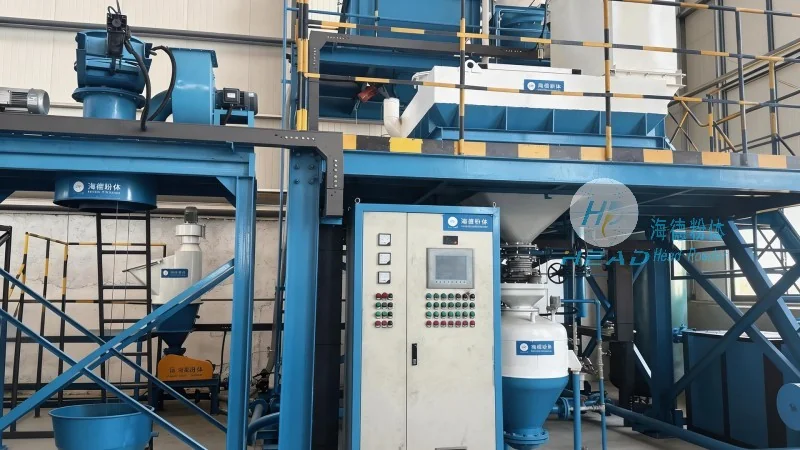
Core Principles of Pneumatic Conveying Systems
The foundation of intelligent bulk material pneumatic conveying lies in the use of compressed air or other gases to transport solid particles through a pipeline. Unlike traditional mechanical conveyors, this method eliminates the need for moving parts in the conveying path, reducing maintenance requirements and enhancing operational safety. The system typically operates on the principle of creating a pressure differential between the inlet and outlet of the pipeline, which propels the material forward. Key components include a hopper for material storage, a feeder to control the flow rate, a conveying line, and a receiver for the discharged material. Advanced control systems integrate sensors and automation to optimize the conveying process, ensuring precise dosing and consistent material flow.
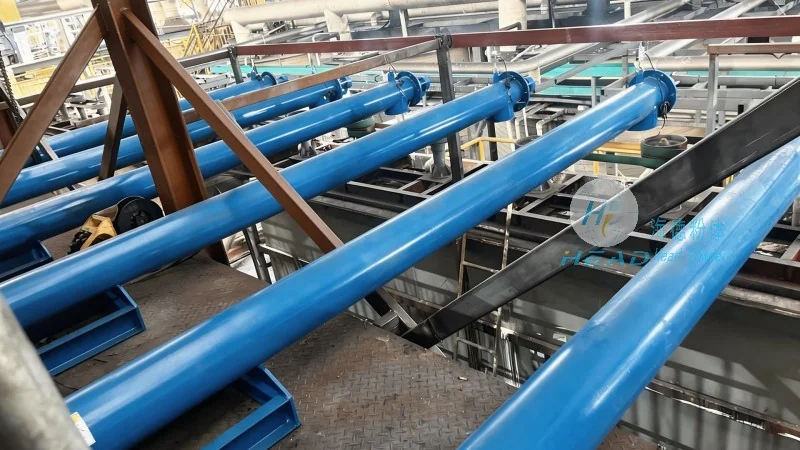
Key Working Scenarios and Their Characteristics
Intelligent bulk material pneumatic conveying is widely applied across various industrial sectors, each with distinct operational requirements. In the chemical industry, for example, the system is used to transport powders such as pigments, catalysts, and fine chemicals, where contamination control and precise dosing are critical. The intelligent features enable real-time monitoring of material flow rates and pressure variations, allowing for immediate adjustments to maintain product quality. In the food and pharmaceutical sectors, the hygienic design of the conveying system, combined with sterile air handling, ensures compliance with strict regulatory standards. The ability to handle sensitive materials without degradation makes it ideal for these applications. Additionally, in the cement and construction industries, the system efficiently transports raw materials like limestone and clinker, supporting large-scale production processes. The scalability of the technology allows for both small-scale laboratory applications and large industrial installations, adapting to diverse production needs.
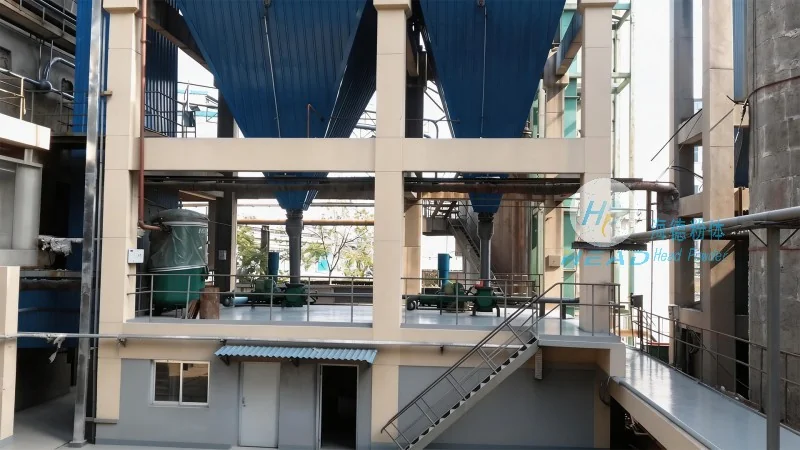
Technical Advantages and Practical Applications
One of the primary advantages of intelligent bulk material pneumatic conveying is its ability to handle a wide range of material types, from fine powders to coarse granules, with minimal degradation. The system's flexibility in conveying distances and heights makes it suitable for complex plant layouts, reducing the need for multiple transfer points and simplifying overall material flow management. The integration of smart sensors and control algorithms enhances process efficiency, minimizing energy consumption and operational downtime. For instance, in a manufacturing plant, the system can be programmed to automatically adjust the air pressure based on the material's density and flow characteristics, optimizing energy use while maintaining consistent performance. This adaptability also extends to varying production volumes, allowing the system to scale up or down as demand fluctuates. Furthermore, the reduced need for manual intervention in material handling improves workplace safety, as operators are less exposed to dust and mechanical hazards. The long-term cost savings from lower maintenance and higher throughput make it a preferred choice for industries focused on operational efficiency and sustainability.
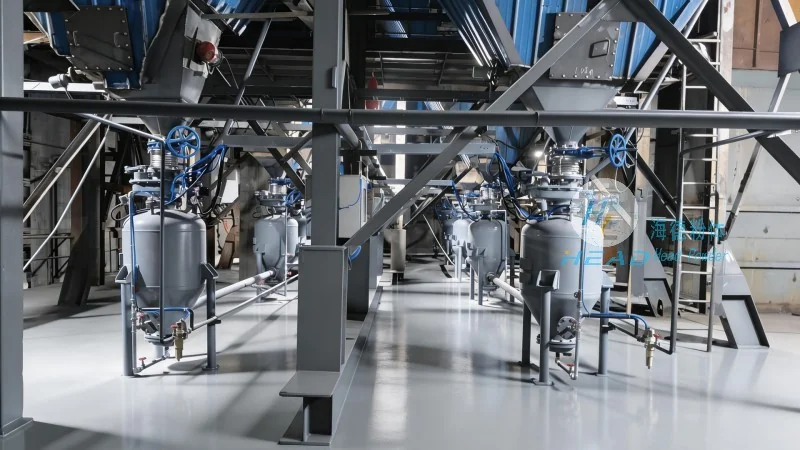
Conclusion and Future Outlook
Intelligent bulk material pneumatic conveying represents a significant advancement in bulk material handling technology, offering enhanced efficiency, precision, and safety. As industries continue to demand more reliable and sustainable solutions, the integration of advanced control systems and smart technologies will further optimize the performance of these systems. HeadPowder, with its expertise in engineering and manufacturing, remains at the forefront of developing tailored solutions that meet the specific needs of various applications. By leveraging the core principles and application scenarios outlined, businesses can enhance their material transport processes, improve product quality, and achieve greater operational efficiency. The continued innovation in pneumatic conveying technology ensures its relevance in modern industrial settings, supporting the growth and productivity of diverse sectors.