

Bag Breakage Pneumatic Conveying: Principles and Operational Characteristics
Bag breakage pneumatic conveying systems represent a sophisticated solution for handling bulk materials that are typically packaged in flexible containers such as bags. Developed by Shandong HeadPowder Engineering Co., Ltd., a leading manufacturer based in Shandong, China, these systems integrate advanced technology to efficiently transfer materials from storage to processing or packaging stages. The core principle revolves around breaking the bag open to release its contents into a conveying pipeline, where the material is then transported using air pressure or suction. This approach eliminates the need for manual bag opening and reduces the risk of material spillage or contamination.
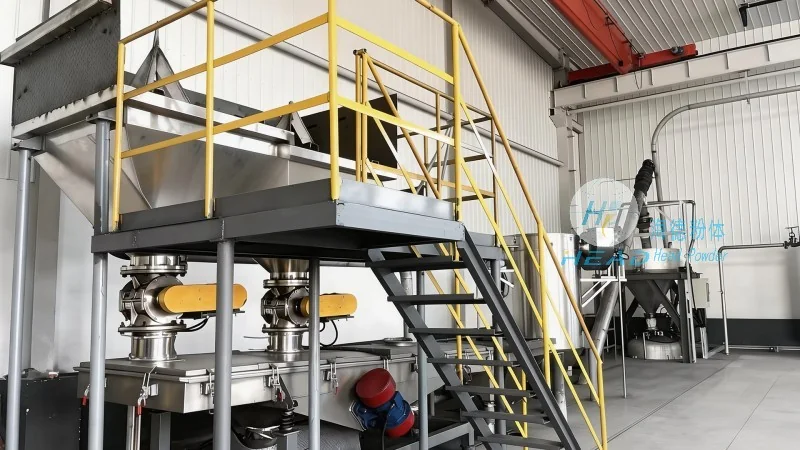
The Fundamental Principle of Pneumatic Conveying
At the heart of bag breakage pneumatic conveying lies the fundamental principle of pneumatic transport. Unlike mechanical conveying systems that rely on belts, screws, or rollers, pneumatic systems use air as the medium to move materials. In a typical setup, a bag is placed in a hopper or feeder, and a mechanical or pneumatic device breaks the bag open. The broken bag contents are then drawn into a pipeline by a vacuum or pushed through by compressed air. The system's efficiency depends on the balance between air velocity, material properties, and pipeline design. Shandong HeadPowder Engineering Co., Ltd. specializes in designing systems that optimize these parameters to ensure reliable and consistent material transfer.
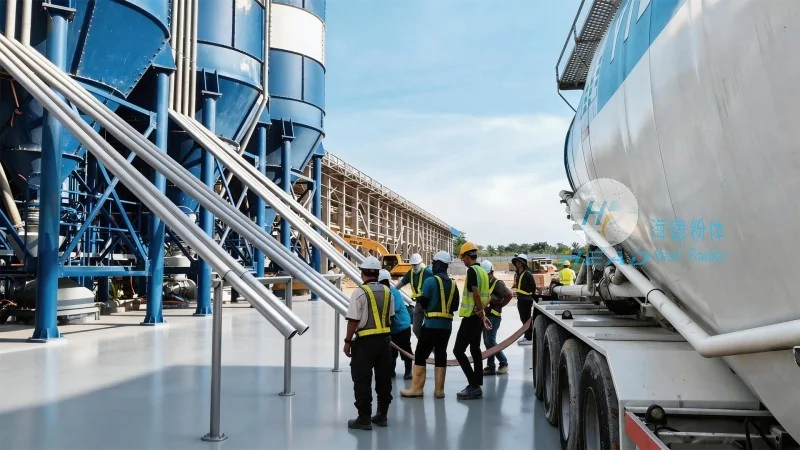
Key Components and Their Functions
Several critical components work in tandem to enable effective bag breakage pneumatic conveying. The bag breaker is the primary device responsible for opening the bag; it can be a mechanical cutter, a pneumatic impactor, or a combination of both. The feeder ensures a uniform flow of material from the broken bag into the conveying line. The air mover, which can be a fan (for negative pressure) or a blower (for positive pressure), provides the necessary air flow. The pipeline network transports the material to the destination, while filters and cyclones separate the material from the air. Each component is engineered to handle the specific characteristics of the material being conveyed, such as particle size, moisture content, and abrasiveness. Shandong HeadPowder Engineering Co., Ltd. designs custom systems that integrate these components to meet the unique requirements of each application.
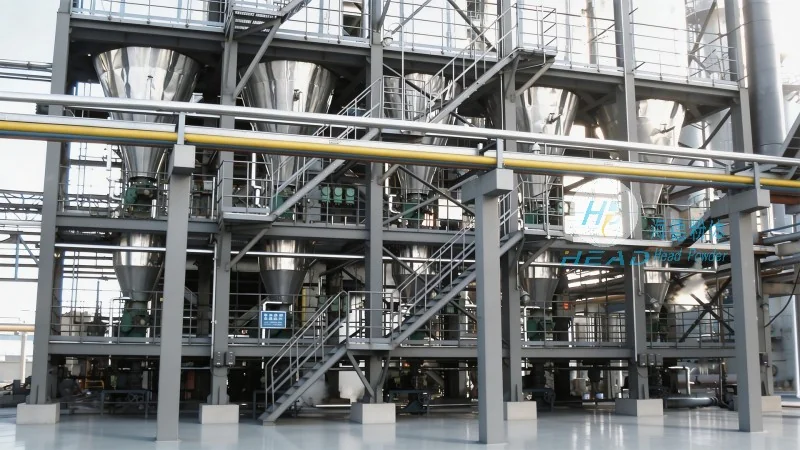
Advantages of Bag Breakage Pneumatic Conveying
Compared to traditional methods like manual bag emptying or mechanical conveyors, bag breakage pneumatic conveying offers several advantages. First, it significantly reduces labor costs and improves safety by automating the bag opening and material transfer process. Second, it minimizes material loss and contamination, as the entire bag contents are transferred without spillage. Third, it enhances process efficiency by providing a continuous and consistent flow of material. Fourth, it is suitable for a wide range of materials, including powders, granules, and bulk solids. The systems are also flexible, allowing for easy integration with existing production lines. Shandong HeadPowder Engineering Co., Ltd. emphasizes these benefits in their product offerings, making bag breakage pneumatic conveying an attractive solution for industries seeking to improve operational efficiency and reduce costs.
Common Application Scenarios
Bag breakage pneumatic conveying systems are widely used in various industries where bulk materials are packaged in bags. Some common applications include the food and beverage industry, where materials like flour, sugar, and coffee are transferred from bags to processing equipment. The pharmaceutical industry also utilizes these systems for handling powders and granules, ensuring compliance with strict hygiene and contamination control standards. In the chemical industry, bag breakage pneumatic conveying is used for transporting raw materials such as powders and granules to reactors or storage tanks. The construction industry benefits from these systems for handling bulk materials like cement, sand, and gravel. Additionally, the agricultural sector uses them for processing and transporting grains and other agricultural products. Shandong HeadPowder Engineering Co., Ltd. has successfully implemented these systems in numerous projects across these industries, demonstrating their versatility and reliability.
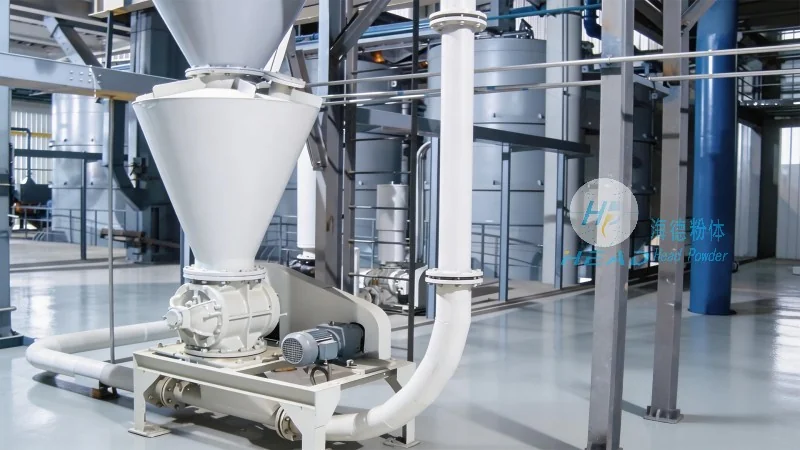
Operational Considerations and Best Practices
While bag breakage pneumatic conveying offers numerous benefits, proper operation and maintenance are crucial for optimal performance. Key operational considerations include ensuring the correct air pressure or vacuum level, maintaining the cleanliness of the system, and regularly inspecting components for wear and tear. Material properties, such as particle size and moisture content, can affect the system's efficiency, and adjustments may be needed to maintain optimal performance. Shandong HeadPowder Engineering Co., Ltd. provides comprehensive support, including installation, training, and maintenance services, to help clients maximize the system's performance and lifespan. Regular maintenance, such as cleaning filters and checking the condition of the bag breaker, is essential to prevent downtime and ensure consistent operation.