Conveying coke powder is a critical process in various industrial applications, such as steel production, chemical manufacturing, and power generation. The efficiency and reliability of the conveying system directly impact production efficiency and safety. Shandong HeadPowder Engineering Co., Ltd., a leading provider in the field, offers comprehensive solutions tailored to different operational needs. This article explores the primary methods used for coke powder conveying, highlighting the advantages and considerations of each approach.
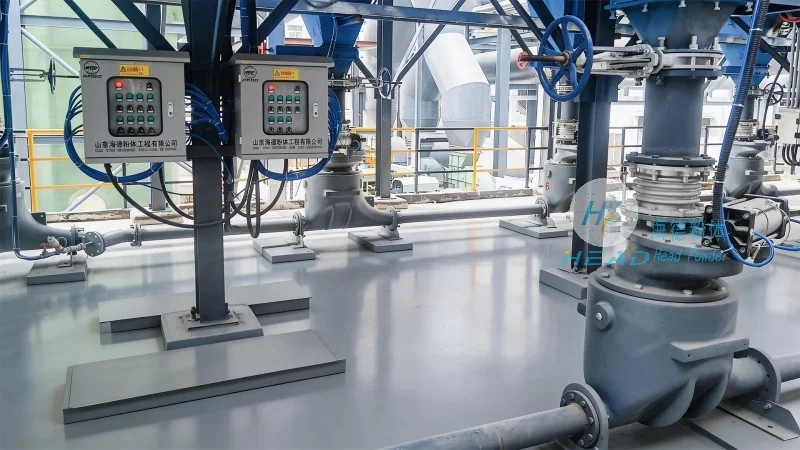
One of the most common methods for coke powder conveying is mechanical conveying. This approach utilizes equipment like belt conveyors, screw conveyors, and bucket elevators to transport coke powder from one location to another. Belt conveyors are widely used due to their simplicity, low maintenance, and ability to handle large volumes of material. They are particularly effective for horizontal or slightly inclined transport, making them suitable for long-distance conveying over relatively flat terrains. Screw conveyors, on the other hand, are ideal for vertical or inclined transport, as they can lift coke powder vertically while maintaining a consistent flow. These mechanical systems are often preferred in applications where the material is not too fine or where dust control is less critical. However, they may require more space and may not be as efficient for fine powders that tend to cause blockages or wear on the conveyor components.
Another significant method for coke powder conveying is pneumatic conveying, also known as air conveying. This technique uses compressed air or other gases to transport coke powder through a pipeline system. Pneumatic conveyors are highly effective for fine and dusty materials, as they can handle particles with diameters as small as 10 microns. The system typically consists of a blower, a hopper, and a pipeline network. The coke powder is fed into the hopper and then drawn into the pipeline by the air flow, moving the material to the destination. There are two main types of pneumatic conveying: positive pressure and negative pressure. Positive pressure systems blow air into the pipeline, pushing the material forward, while negative pressure systems create a vacuum that pulls the material through the line. Each type has its own advantages, with positive pressure being better for long-distance transport and negative pressure more suitable for short distances or when the material needs to be transported to a lower elevation. Pneumatic conveying offers advantages such as high speed, low maintenance, and the ability to transport materials over long distances without the need for multiple transfer points. However, it requires careful control of air pressure and flow to prevent material degradation or blockages, and the system may be more expensive to install and operate compared to mechanical conveyors.
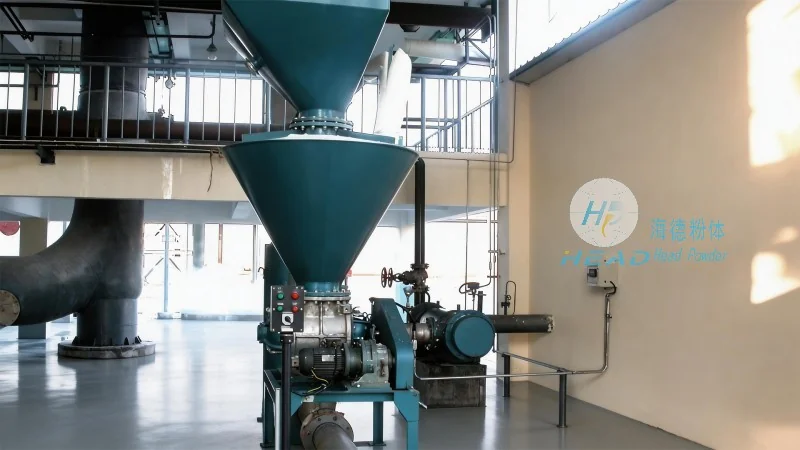
For applications requiring high precision and minimal material loss, vacuum conveying is often employed. This method uses a vacuum pump to create a negative pressure environment, drawing coke powder from the source into the conveying line. Vacuum conveyors are particularly effective for handling sensitive or valuable materials, as they minimize the risk of contamination and material degradation. They are commonly used in pharmaceutical, food, and chemical industries where product purity is paramount. The system typically includes a vacuum pump, a filter, and a collection container. The coke powder is fed into the hopper, and the vacuum pump creates a suction that pulls the material into the pipeline. The filter then removes any dust or particles from the air before it is released back into the environment. Vacuum conveying offers advantages such as gentle handling, low noise operation, and the ability to transport materials over moderate distances. However, it may have lower throughput compared to positive pressure pneumatic systems and may require more energy to operate due to the need for continuous vacuum maintenance.
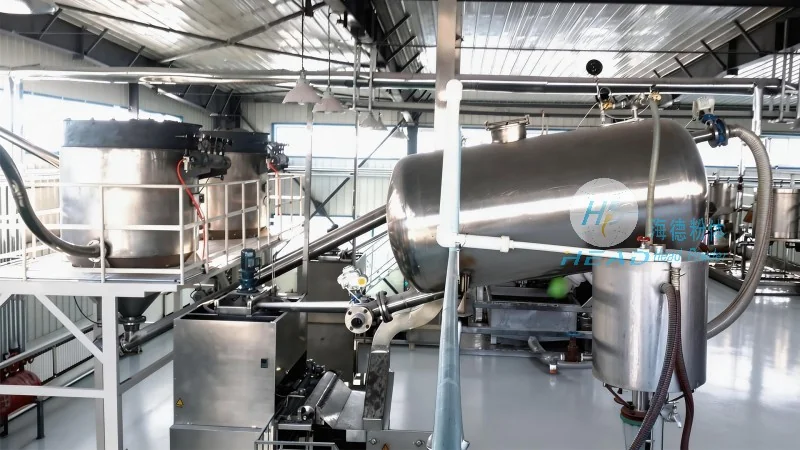
Another method for coke powder conveying is hydraulic conveying, which uses water or other liquids to transport the material. This approach is particularly useful for handling wet or sticky coke powder, as the liquid helps to keep the material suspended and prevents it from settling or clogging the pipeline. Hydraulic conveyors are often used in mining and mineral processing applications where the material is mixed with water to form a slurry. The slurry is then pumped through a pipeline to the processing plant. This method offers advantages such as high capacity and the ability to transport materials over long distances, especially in underground or underwater environments. However, it requires additional equipment for slurry preparation and may result in higher water usage and potential environmental concerns if not managed properly.
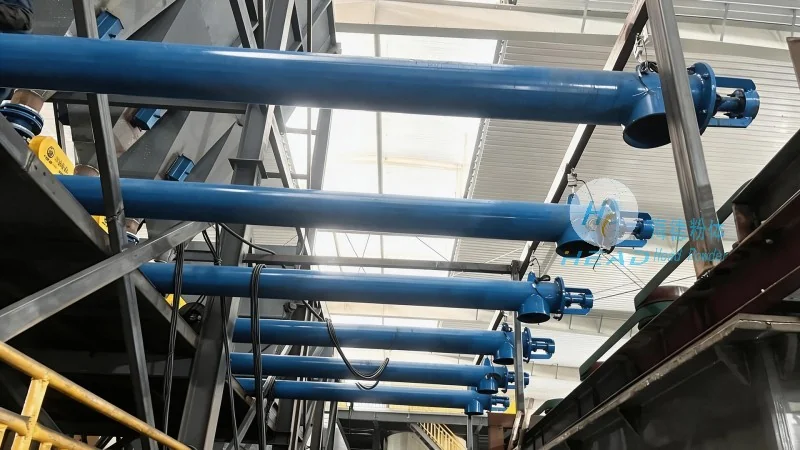
When selecting a coke powder conveying method, several factors need to be considered. The first is the particle size and characteristics of the coke powder. Fine powders are more likely to cause blockages in mechanical systems and may require pneumatic or vacuum conveying. The second is the distance and elevation changes between the source and destination. Long-distance or high-elevation transport may favor pneumatic or hydraulic systems, while short-distance and low-elevation transport can be handled by mechanical conveyors. The third is the material's moisture content and stickiness. Wet or sticky materials may need hydraulic conveying or specialized equipment to prevent clogging. The fourth is the environmental and safety considerations. Pneumatic systems may generate dust, requiring dust control measures, while vacuum systems offer cleaner operation. The fifth is the cost and maintenance requirements. Mechanical systems are generally lower in cost and easier to maintain, while pneumatic and hydraulic systems may have higher initial costs and require more maintenance.
Shandong HeadPowder Engineering Co., Ltd. specializes in designing and manufacturing customized coke powder conveying systems based on these factors. The company's expertise lies in evaluating the specific needs of each client and recommending the most suitable conveying method. Whether it's a mechanical, pneumatic, vacuum, or hydraulic system, HeadPowder provides comprehensive solutions that ensure efficient, reliable, and safe coke powder transport. The company's commitment to quality and innovation has made it a trusted partner in the industry, helping clients improve their production processes and achieve higher efficiency.




