

Principles and Application Scenarios of Sand and Soil Pneumatic Conveying
HeadPowder, a leading engineering firm based in Shandong, China, specializes in advanced material handling solutions, including pneumatic conveying systems for sand and soil. This article explores the fundamental principles of sand and soil pneumatic conveying and highlights key application scenarios where such systems are utilized effectively.
Understanding Pneumatic Conveying Principles
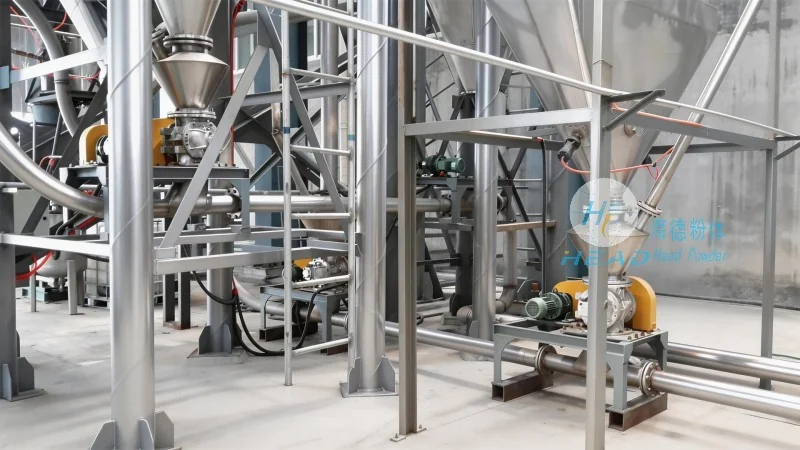
Pneumatic conveying is a method of transporting bulk materials through a pipeline using air or other gases as the conveying medium. The process involves creating a pressure differential between the inlet and outlet of the system, which propels the material along the pipeline. For sand and soil, this technology leverages the ability to handle fine to medium-grained materials that are often challenging to transport using traditional methods like belt conveyors or bucket elevators.
The core principle of sand and soil pneumatic conveying is the balance between air velocity and material density. The system must maintain an air velocity that is sufficient to lift and transport the material without causing excessive wear on the pipeline or components. This requires precise control of air pressure and flow rates, which are critical factors in ensuring efficient and reliable operation. HeadPowder's engineering expertise ensures that their pneumatic conveying systems are designed to optimize these parameters for specific sand and soil characteristics, such as particle size distribution, moisture content, and bulk density.
Key Working Scenarios for Sand and Soil Pneumatic Conveying
Sand and soil pneumatic conveying systems are widely employed in various industrial and construction applications where the efficient movement of bulk materials is essential. These systems are particularly suitable for environments where traditional conveyor systems may be impractical due to space constraints, material handling requirements, or the need to minimize dust exposure.
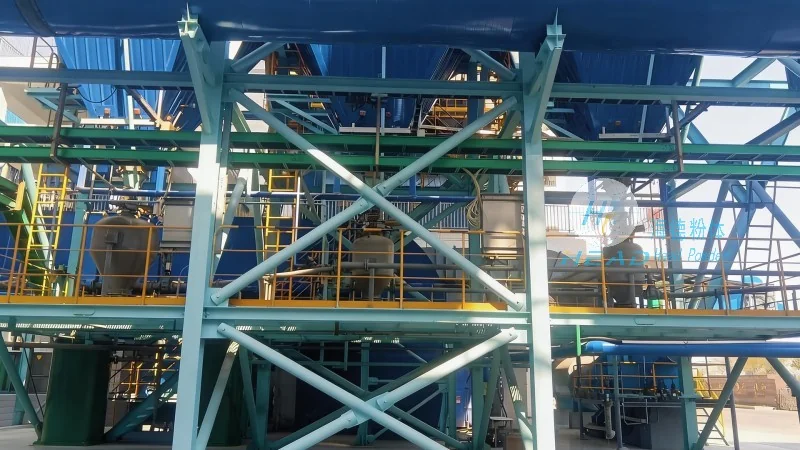
One common application scenario is in the construction industry, where sand and soil are transported between different stages of a project, such as from stockpiles to mixing plants or from excavation sites to disposal areas. Pneumatic conveying systems offer a flexible solution for these tasks, allowing materials to be moved over long distances without the need for multiple transfer points or extensive infrastructure. This is especially beneficial in urban construction sites where space is limited and the need for dust control is high.
Another significant application is in the mining and quarrying sector, where large volumes of sand and soil are extracted and processed. Pneumatic conveying systems are used to transport these materials from the extraction site to processing facilities, such as crushers or screening plants. The ability to handle abrasive materials like sand and soil is a key advantage, as these systems can withstand the wear and tear associated with handling such materials over extended periods. HeadPowder's systems are designed with durable components, including high-quality pipelines and valves, to ensure long-term reliability in mining operations.
In the agricultural sector, sand and soil pneumatic conveying is utilized for the transport of soil for greenhouse cultivation or for the application of soil amendments. These systems enable precise delivery of soil to planting areas, improving efficiency and reducing manual labor. The flexibility of pneumatic conveying allows for the integration of these systems into existing agricultural setups, making them a practical solution for modern farming operations.
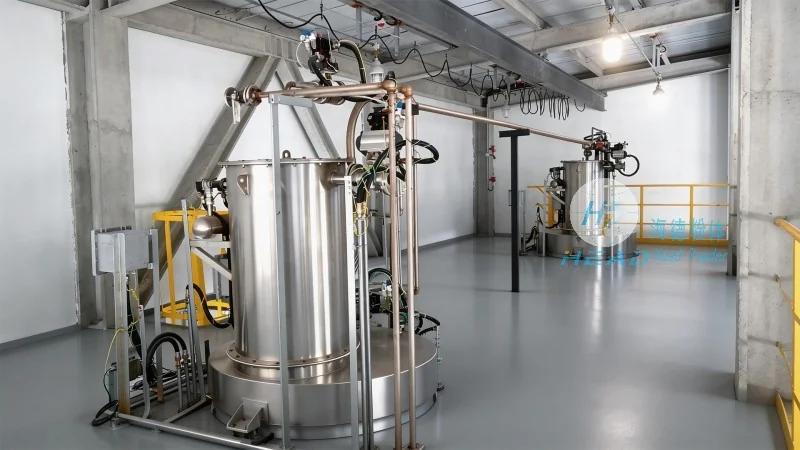
Additionally, in the environmental and waste management industries, sand and soil pneumatic conveying systems are employed for the transport of soil during remediation projects or for the handling of contaminated soil. The ability to handle materials with varying moisture levels and particle sizes makes these systems suitable for complex environmental applications. HeadPowder's expertise in customizing pneumatic conveying solutions ensures that their systems can meet the specific requirements of environmental projects, including compliance with regulatory standards for dust control and material handling.
Advantages of Sand and Soil Pneumatic Conveying Systems
Compared to traditional material handling methods, sand and soil pneumatic conveying systems offer several advantages that make them a preferred choice in many industries. One of the primary benefits is the ability to transport materials in a closed system, which significantly reduces dust emissions and improves workplace safety. This is particularly important for sand and soil, which can generate fine particles that are hazardous if inhaled. The enclosed nature of the system also helps maintain material integrity, preventing contamination and ensuring that the transported material remains in its original state.
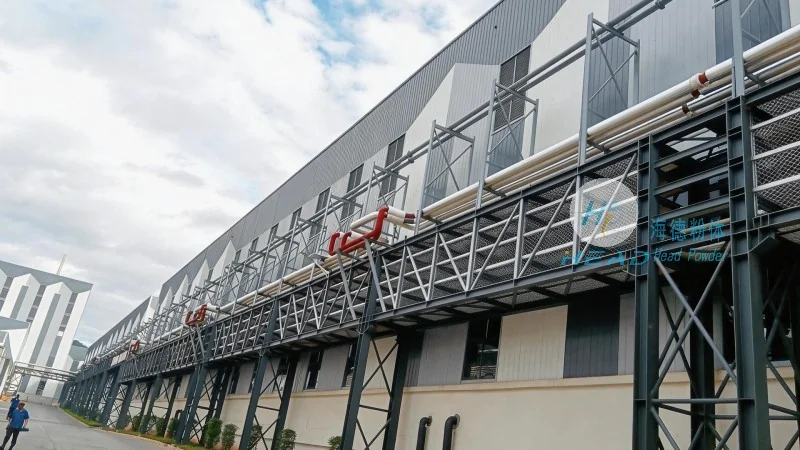
Another advantage is the flexibility and scalability of pneumatic conveying systems. These systems can be easily integrated into existing facilities or expanded to accommodate increased material handling demands. The ability to transport materials over long distances without the need for multiple transfer points or complex infrastructure makes them a cost-effective solution for many applications. HeadPowder's systems are designed to be modular, allowing for easy installation and modification to suit changing operational needs.
Furthermore, pneumatic conveying systems are energy-efficient compared to other material handling methods. By optimizing air pressure and flow rates, these systems minimize energy consumption while maintaining efficient material transport. This not only reduces operational costs but also contributes to environmental sustainability. HeadPowder's engineering approach focuses on energy efficiency, ensuring that their pneumatic conveying systems operate at optimal performance levels with minimal energy waste.
Conclusion
Sand and soil pneumatic conveying is a sophisticated technology that combines engineering principles with practical application to efficiently transport bulk materials. HeadPowder, with its expertise in material handling solutions, provides reliable and customized pneumatic conveying systems that cater to the specific needs of industries dealing with sand and soil. By understanding the fundamental principles and application scenarios of these systems, businesses can leverage the advantages of pneumatic conveying to enhance operational efficiency, improve safety, and reduce costs. As a leading provider in the field, HeadPowder continues to innovate and adapt its solutions to meet the evolving demands of the market, ensuring that sand and soil pneumatic conveying remains a viable and effective material handling option for years to come.