

Working Principle and Characteristics of Air-Driven Transport for Glass-Blasted Beads Material
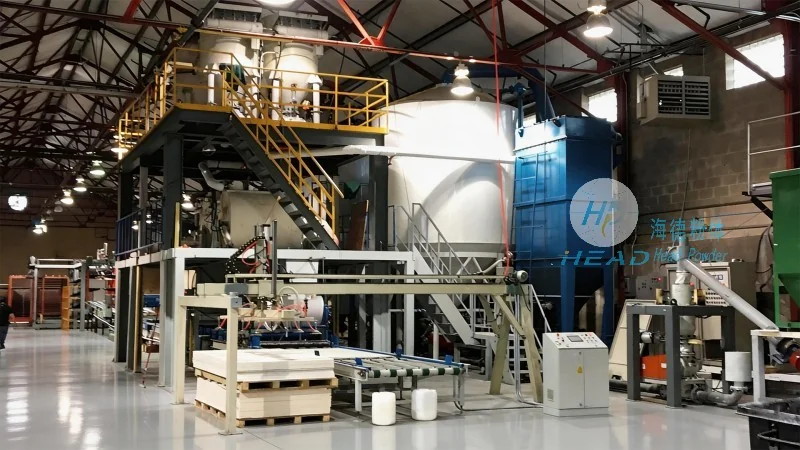
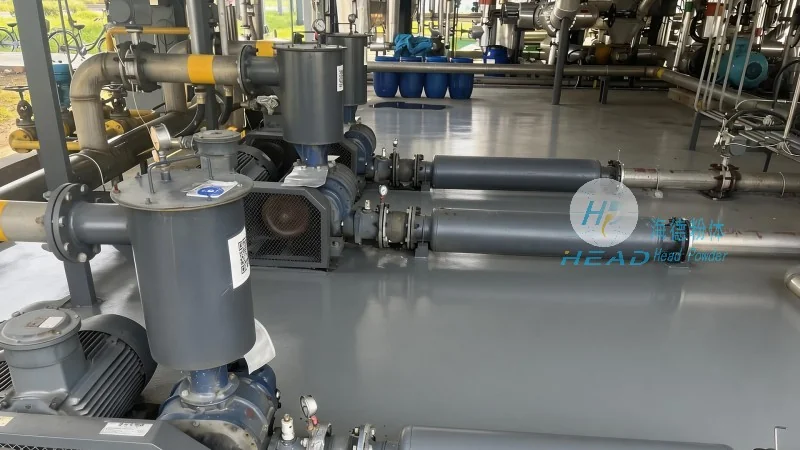
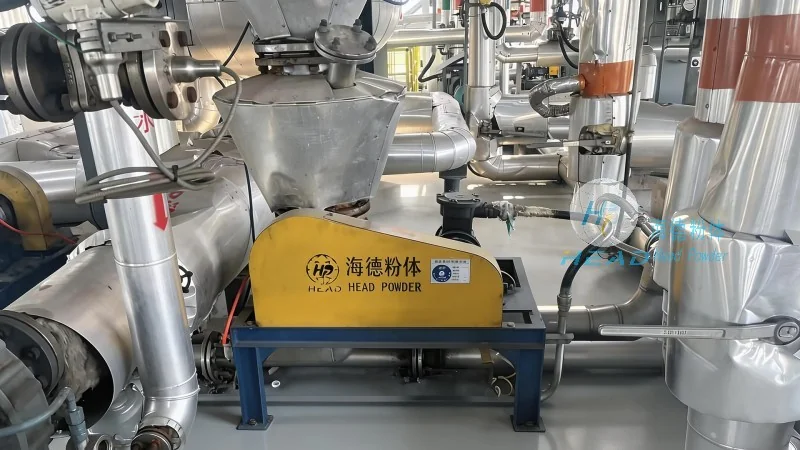
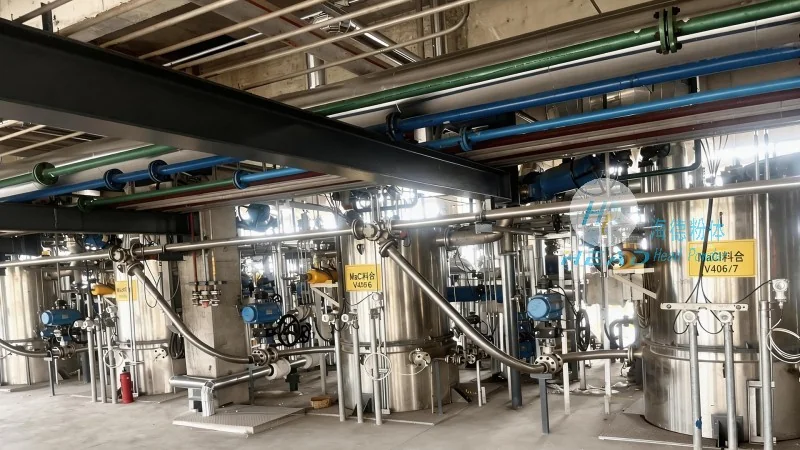
At Shandong HeadPowder Engineering Co., Ltd., we specialize in the efficient and reliable air-driven transport of glass-blasted beads, a key material in various construction and industrial applications. The working principle of this process involves the use of compressed air to create a flow that moves the beads through a pipeline system. This method, known as pneumatic conveying, leverages the kinetic energy of the air to suspend and transport the material, ensuring a smooth and continuous flow from the source to the destination. The process typically begins with the beads being fed into a hopper or feeder, where they are then introduced into a pipeline. Compressed air, often supplied by a blower or compressor, is introduced at the inlet of the pipeline, creating a pressure differential that propels the beads forward. The air flow is carefully controlled to maintain the appropriate velocity, which is crucial for preventing particle separation and ensuring the beads remain suspended in the air stream. This principle allows for the efficient transport of glass-blasted beads over considerable distances, with minimal loss and high throughput. The system is designed to handle the unique properties of glass-blasted beads, such as their lightweight and abrasive nature, by optimizing the air velocity and pipeline design to prevent clogging or degradation of the material.
Key Characteristics of Air-Driven Transport for Glass-Blasted Beads
When considering the characteristics of air-driven transport for glass-blasted beads, several factors stand out as critical for performance and efficiency. First, the system's ability to handle the lightweight and low-density nature of glass-blasted beads is a significant advantage. Unlike heavier materials, the beads require less air pressure to maintain suspension, reducing energy consumption and operational costs. This characteristic makes the process highly efficient for transporting large volumes of material over long distances. Second, the non-polluting and clean nature of pneumatic conveying is a major benefit. Unlike mechanical systems that may generate dust or debris, the air-driven method keeps the beads contained within the pipeline, minimizing environmental impact and ensuring a cleaner working environment. Third, the flexibility of the system is another key characteristic. Air-driven transport can be easily adapted to different applications and distances, with the ability to integrate with existing infrastructure or expand as needed. This adaptability is particularly valuable in industrial settings where space and layout may vary. Additionally, the system's ability to handle abrasive materials like glass-blasted beads without causing wear and tear on the equipment is a notable feature. The design of the pipeline and components, such as the use of corrosion-resistant materials and smooth surfaces, ensures long-term durability and minimal maintenance. These characteristics collectively contribute to the effectiveness and reliability of air-driven transport for glass-blasted beads, making it a preferred method in many industries.
Applications and Benefits in Industrial Settings
The air-driven transport of glass-blasted beads offers numerous benefits in industrial applications, particularly in construction and manufacturing. One of the primary applications is in the production of lightweight concrete, where glass-blasted beads are used as a filler to reduce density and improve thermal insulation properties. The efficient transport of these beads to the production site is essential for maintaining consistent product quality and reducing downtime. Another application is in the manufacturing of insulation materials, where the beads are used to enhance the thermal and acoustic properties of the final product. The ability to transport large quantities of beads quickly and reliably ensures that production lines can operate continuously without interruptions. In addition to construction and manufacturing, the system is also used in the chemical and pharmaceutical industries for transporting fine powders and beads that require precise handling. The benefits of this method extend beyond efficiency to include cost savings and improved safety. By reducing the need for manual handling and minimizing the risk of dust exposure, the air-driven transport system enhances workplace safety and compliance with environmental regulations. Furthermore, the reduced maintenance requirements due to the use of corrosion-resistant materials and smooth pipeline surfaces contribute to lower operational costs over the long term. The combination of these factors makes air-driven transport for glass-blasted beads a highly effective solution for various industrial needs, supporting productivity and sustainability in modern operations.