

Aluminum Dross Pneumatic Conveying Machine: What It Is and Its Design Principles
Aluminum dross, a byproduct of aluminum smelting and processing, poses significant challenges in handling and transportation due to its abrasive nature and varying particle sizes. Traditional methods like belt conveyors or bucket elevators often struggle with the material's characteristics, leading to increased wear and operational inefficiencies. To address these issues, the aluminum dross pneumatic conveying machine has emerged as a specialized solution designed to efficiently transport aluminum dross while minimizing equipment wear and maximizing process reliability.
Understanding the Aluminum Dross Pneumatic Conveying Machine
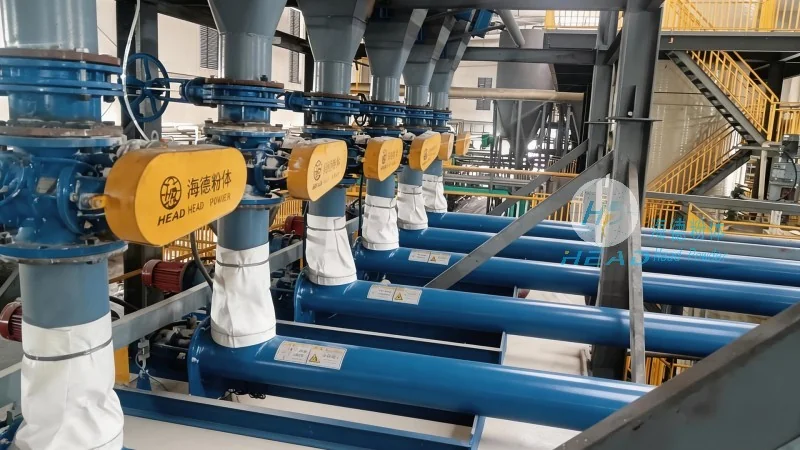
The aluminum dross pneumatic conveying machine is a system engineered to transport aluminum dross—a mixture of aluminum, metal oxides, and other impurities—using a combination of air pressure and vacuum. This technology is particularly valuable in aluminum production facilities, where the efficient removal and recycling of dross are critical to maintaining production efficiency and reducing material loss. The machine operates by introducing air into a pipeline, creating a flow that carries the dross particles through the system. By controlling the air pressure and flow rate, operators can precisely manage the conveying distance and material throughput, ensuring optimal performance under varying operational conditions.
Design Principles of the Aluminum Dross Pneumatic Conveying Machine
The design of an aluminum dross pneumatic conveying machine is centered on several key principles that ensure durability, efficiency, and adaptability to the material's unique properties. First, the system incorporates robust materials of construction, such as high-strength alloys and wear-resistant coatings, to withstand the abrasive nature of aluminum dross. These materials are selected to minimize wear and extend the lifespan of the equipment, reducing maintenance costs and downtime. Second, the machine features a modular design that allows for easy integration into existing production lines and flexible configuration to accommodate different conveying distances and flow rates. This modularity enables manufacturers to customize the system to meet specific operational requirements, enhancing its versatility across various aluminum processing facilities.
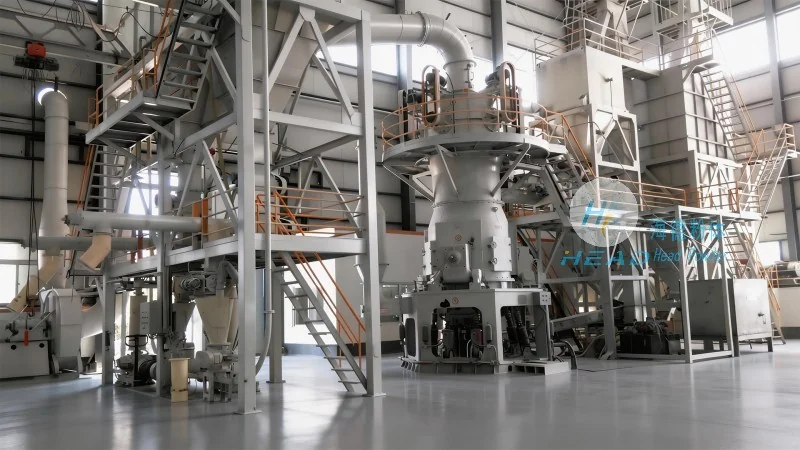
Third, the pneumatic conveying system utilizes a combination of positive and negative pressure stages to optimize material transport. The positive pressure stage, typically located at the material loading point, uses compressed air to push the dross particles through the pipeline, while the negative pressure stage, at the discharge end, draws the material using vacuum. This two-stage approach ensures consistent material flow and reduces the risk of blockages, which are common in traditional conveying methods. Additionally, the system incorporates advanced control mechanisms that monitor air pressure, flow rate, and material level in real-time, allowing for automated adjustments to maintain optimal performance. These controls enhance operational efficiency and reduce the need for manual intervention, contributing to a more reliable and cost-effective conveying process.
Key Components and Their Functions
The aluminum dross pneumatic conveying machine consists of several critical components, each playing a vital role in the overall operation. The primary components include the material hopper, which stores the aluminum dross and feeds it into the system; the air compressor or vacuum pump, which provides the necessary pressure or suction to move the material; the conveying pipeline, which transports the dross from the loading point to the discharge point; and the separation and filtration system, which removes air from the material stream and collects any fine particles. The material hopper is designed with a sloped bottom and a discharge valve to ensure smooth material flow, preventing clogging and ensuring consistent feeding. The air compressor or vacuum pump is selected based on the required conveying capacity and distance, with options ranging from small portable units to large industrial systems. The conveying pipeline is typically made of stainless steel or other corrosion-resistant materials to resist the acidic and abrasive properties of aluminum dross. The separation and filtration system, often including cyclones or bag filters, ensures that the air leaving the system is clean and free of particulates, protecting downstream equipment and maintaining environmental compliance.
Advantages of Using an Aluminum Dross Pneumatic Conveying Machine
Implementing an aluminum dross pneumatic conveying machine offers numerous advantages over traditional conveying methods. One of the most significant benefits is the reduction in equipment wear and maintenance costs. Unlike belt conveyors or bucket elevators, which experience high wear due to the abrasive nature of aluminum dross, pneumatic conveying systems use air to transport the material, minimizing direct contact and extending the lifespan of components. This leads to lower maintenance expenses and less downtime, improving overall operational efficiency. Another advantage is the ability to handle varying particle sizes and moisture content. The pneumatic system can accommodate a wide range of dross particle sizes, from fine powders to larger chunks, without compromising performance. This flexibility is particularly valuable in aluminum production facilities where dross characteristics may vary due to changes in raw material quality or processing conditions. Additionally, the system provides a cleaner and more hygienic conveying process, as it eliminates the need for physical contact with the material, reducing the risk of contamination and improving product quality. The enclosed nature of the system also helps in controlling dust emissions, contributing to better environmental performance and compliance with regulations.
Applications and Operational Considerations
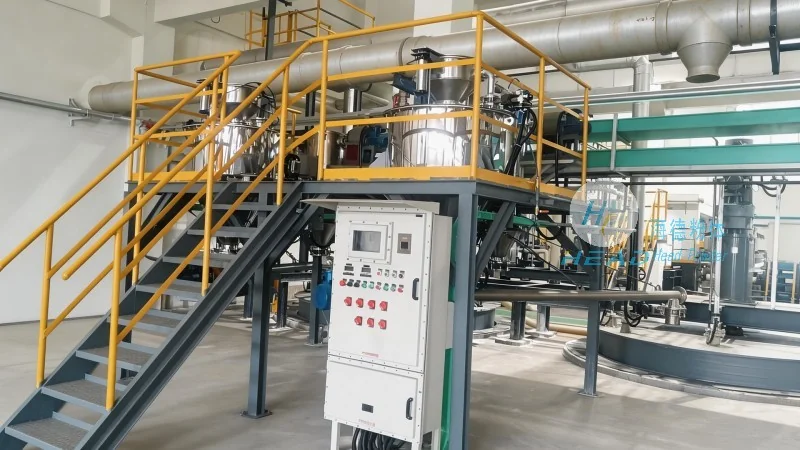
The aluminum dross pneumatic conveying machine is widely used in various aluminum processing applications, including dross removal from furnaces, transport to recycling facilities, and feeding into dross treatment processes. In aluminum smelting plants, the machine is typically used to remove dross from holding furnaces and transport it to a dross treatment area, where it can be melted and recycled. The system's ability to handle high volumes of material and long conveying distances makes it suitable for large-scale production facilities. Operational considerations for the machine include proper maintenance, regular inspection of components, and monitoring of air pressure and flow rates. Regular cleaning of the pipeline and separation system is essential to prevent blockages and ensure consistent performance. Additionally, operators should be trained on the proper operation and control of the system to maximize efficiency and minimize risks. The system's performance can also be affected by factors such as ambient temperature, humidity, and the presence of moisture in the dross, which may require adjustments to the air pressure or flow rate to maintain optimal conveying conditions.
Conclusion
In conclusion, the aluminum dross pneumatic conveying machine is a sophisticated and efficient solution for handling aluminum dross in aluminum production facilities. Its design principles, which focus on durability, adaptability, and reliability, make it an ideal choice for transporting abrasive and variable materials. The system's advantages, including reduced wear, improved flexibility, and enhanced environmental performance, contribute to its widespread adoption in the industry. As aluminum production continues to grow, the demand for effective dross handling solutions will remain high, and the aluminum dross pneumatic conveying machine will play a crucial role in ensuring the efficiency and sustainability of aluminum processing operations. For companies seeking to optimize their dross handling processes, investing in such a system can lead to significant improvements in operational efficiency, cost savings, and environmental compliance.