

What is a Sugar Pneumatic Conveying Machine? And What Are Its Design Principles?
When it comes to the efficient and hygienic transport of bulk materials like sugar, pneumatic conveying systems have become an indispensable part of modern industrial operations. These systems utilize air or other gases to move granular or powdered materials through a pipeline network, offering advantages such as reduced contamination, lower maintenance costs, and improved process control. Among these applications, the sugar pneumatic conveying machine stands out as a specialized solution tailored to the unique characteristics of sugar, ensuring optimal performance in sugar processing facilities.
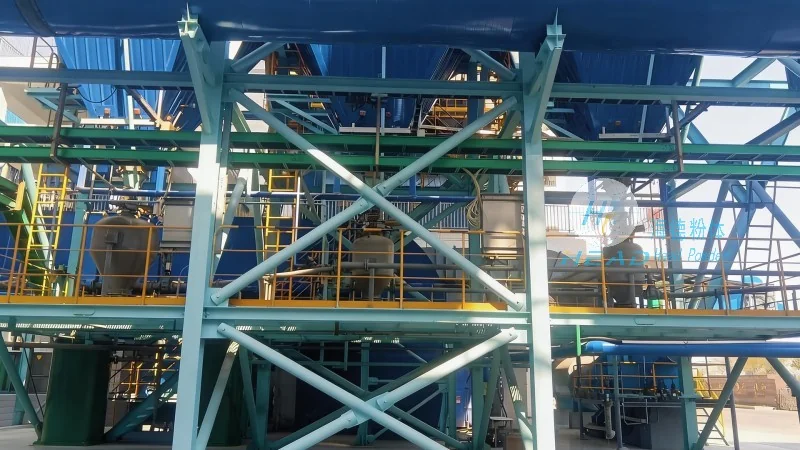
Understanding the Core Function of Pneumatic Conveying Systems for Sugar
The primary function of a sugar pneumatic conveying machine is to transport sugar from one location to another within a processing plant or between different stages of production. This is achieved by creating a pressure differential within the conveying line, either by suction (negative pressure) or pressure (positive pressure) methods. The system typically consists of a hopper, a feeder, a conveying line, and a receiver, all working in tandem to move the sugar efficiently. The choice between suction and pressure conveying depends on factors such as the distance to be covered, the material's properties, and the desired flow rate. For sugar, which is often handled in large quantities and requires gentle handling to prevent caking or degradation, pneumatic conveying provides a gentle yet effective method of transport.
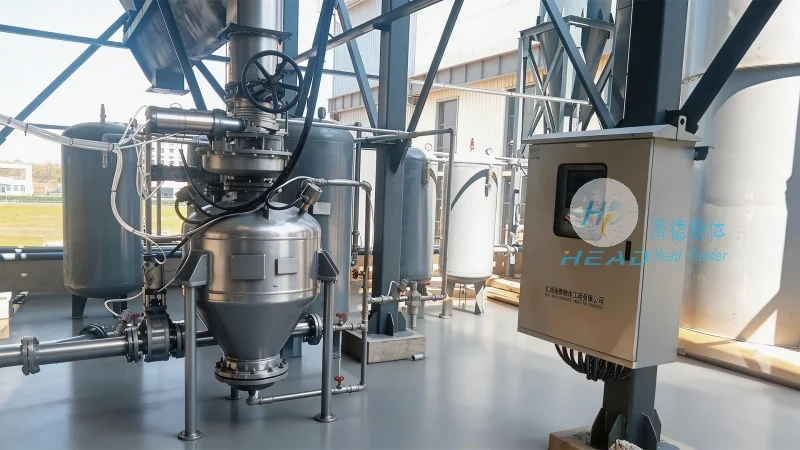
Key Design Principles of Sugar Pneumatic Conveying Equipment
The design of a sugar pneumatic conveying machine is governed by several critical principles to ensure reliability, efficiency, and safety. First, the system must be constructed from materials that are compatible with sugar and do not impart any unwanted flavors or contaminants. Common materials include stainless steel, food-grade plastics, and specialized coatings that resist corrosion and bacterial growth. This is essential for maintaining the quality and purity of the sugar, which is critical in food and beverage applications. Second, the conveying line must be designed to minimize pressure drop and energy consumption. This involves selecting the appropriate pipe diameter, length, and bends, as well as using efficient air movers such as blowers or vacuum pumps. For sugar, which can be abrasive and prone to sticking, the system may include features like internal liners or anti-static coatings to prevent material buildup and ensure smooth flow. Third, the system must incorporate proper filtration and cleaning mechanisms to prevent dust and particulate matter from escaping into the environment. This not only ensures compliance with environmental regulations but also maintains the hygiene standards required in food processing.
The Role of HeadPowder in Providing Advanced Pneumatic Conveying Solutions
Shandong HeadPowder Engineering Co., Ltd., a leading manufacturer based in China, specializes in the design, development, and production of high-quality pneumatic conveying equipment tailored to the needs of the sugar industry. With years of experience and a deep understanding of the challenges faced by sugar processors, HeadPowder has developed a range of sugar pneumatic conveying machines that meet the highest standards of performance and reliability. The company's products are engineered to handle various types of sugar, including granulated, powdered, and crystalline forms, ensuring that the conveying process is efficient and gentle. HeadPowder's commitment to innovation is evident in their use of advanced materials and design techniques, such as the integration of sensors and control systems to monitor and optimize the conveying process in real-time. This not only improves operational efficiency but also reduces downtime and maintenance costs for sugar processing facilities. Additionally, HeadPowder provides comprehensive technical support and after-sales service to ensure that their customers receive the best possible solution for their specific needs.
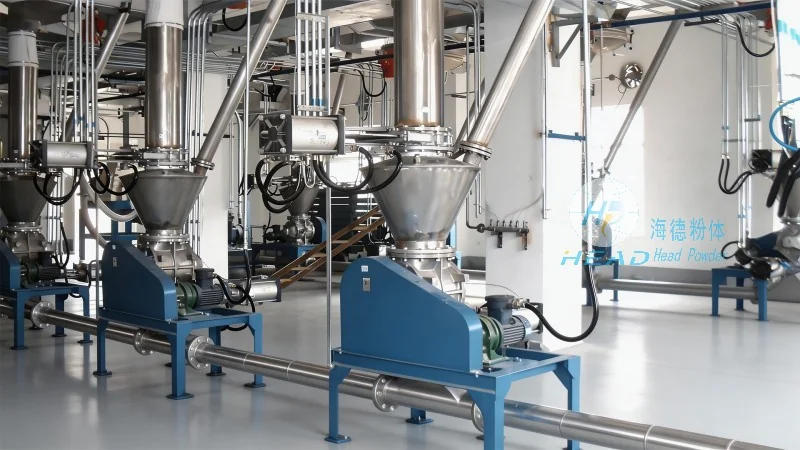
Technical Specifications and Application Scenarios
The technical specifications of a sugar pneumatic conveying machine vary depending on the specific requirements of the application. Key parameters include the conveying capacity, which can range from a few kilograms per hour to several tons per hour, the maximum conveying distance, typically up to several hundred meters, and the air pressure or vacuum levels required. For example, a typical sugar pneumatic conveying system used in a sugar refinery might have a capacity of 10 tons per hour and a conveying distance of 200 meters, operating at a pressure of 0.5 bar. The system may also include features such as a dust collector to capture any sugar particles that escape during the conveying process, ensuring that the environment remains clean and safe. In addition to sugar refineries, these machines are also used in sugar mills, food processing plants, and other facilities where bulk sugar handling is required. The versatility of pneumatic conveying makes it suitable for a wide range of applications, from small-scale operations to large industrial plants. By understanding the technical specifications and application scenarios, sugar processing facilities can select the most appropriate pneumatic conveying system to meet their production needs and maintain high standards of efficiency and hygiene.