

Principle and Working Scene Characteristics of Paper Sheet Powder Pneumatic Conveying Equipment
For industries dealing with paper sheet powders, efficient material handling is crucial to maintaining production efficiency and product quality. Pneumatic conveying systems offer a reliable solution for transporting these materials, and understanding their principles and operational characteristics is essential for selecting the right equipment. This article explores the fundamental principles of pneumatic conveying equipment designed for paper sheet powders, alongside the key working scene characteristics that define their effectiveness in various industrial applications.
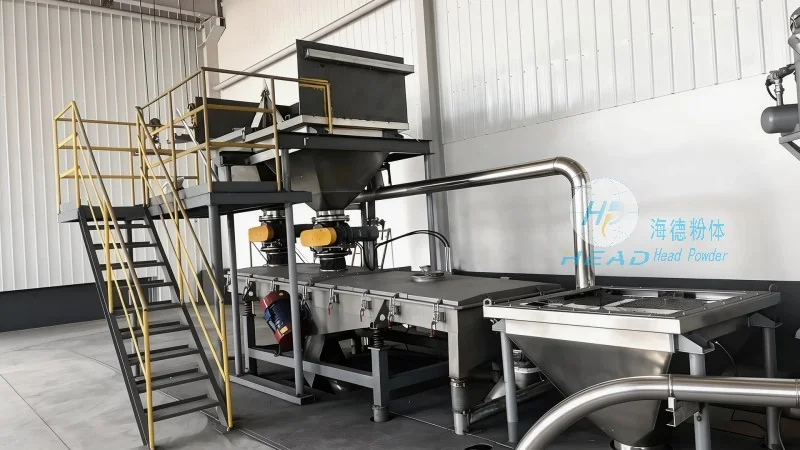
HeadPowder: A Leader in Pneumatic Conveying Solutions
Shandong HeadPowder Engineering Co., Ltd., commonly known as HeadPowder, is a prominent manufacturer specializing in the design and production of pneumatic conveying equipment. With a focus on innovation and precision engineering, HeadPowder has established itself as a trusted partner for businesses seeking advanced solutions for powder handling. The company’s expertise lies in developing customized systems that meet the unique demands of different industries, ensuring optimal performance and durability.
The Principle of Pneumatic Conveying for Paper Sheet Powders
The core principle of pneumatic conveying involves using compressed air to transport powder materials through a pipeline. In the case of paper sheet powders, the system typically operates by creating a pressure differential between the inlet and outlet of the conveying line. This differential forces the powder to move through the pipeline, often with the assistance of a conveying air flow that maintains the material in suspension. The equipment used includes components such as a hopper, a rotary valve, a conveyor line, and a receiver, each playing a critical role in the overall process.
For paper sheet powders, the choice of conveying method—whether it’s a positive pressure system, where air is forced into the line, or a negative pressure system, where air is drawn out—depends on factors like the material’s properties, the distance to be conveyed, and the required flow rate. Positive pressure systems are generally preferred for longer distances or when handling abrasive materials, as they provide consistent air pressure and prevent material degradation. Negative pressure systems, on the other hand, are suitable for shorter distances and applications where dust control is a priority.
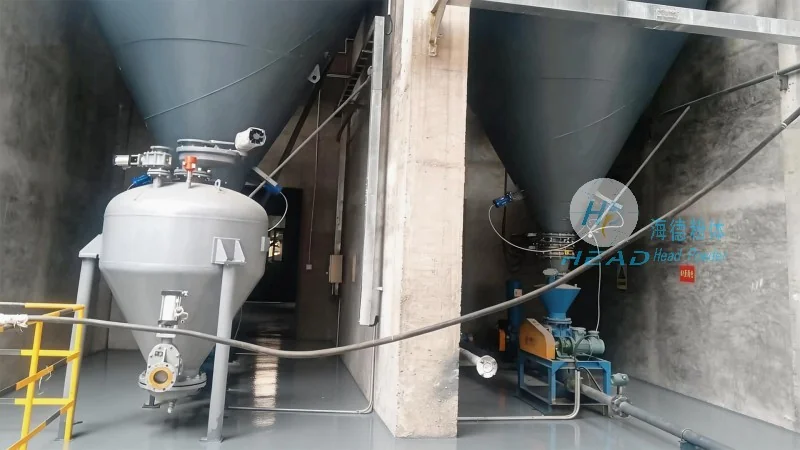
Working Scene Characteristics of Pneumatic Conveying Equipment
The working scene characteristics of pneumatic conveying equipment for paper sheet powders are defined by several key factors that influence their performance and suitability. These include the material’s density, moisture content, and flowability, as well as the system’s capacity and efficiency. For instance, paper sheet powders often have a relatively low bulk density, which can affect the conveying velocity and the required air volume. To address this, HeadPowder’s systems are designed with adjustable air flow controls that optimize the conveying process, ensuring minimal energy consumption and maximum material throughput.
Another critical characteristic is the system’s ability to handle variations in material properties. Paper sheet powders may contain different types of fibers or additives, which can impact their flowability and tendency to agglomerate. HeadPowder’s equipment incorporates features such as vibration or agitation mechanisms to prevent blockages and maintain consistent material flow. This is particularly important in applications where the powder needs to be conveyed to multiple destinations or integrated into downstream processes.
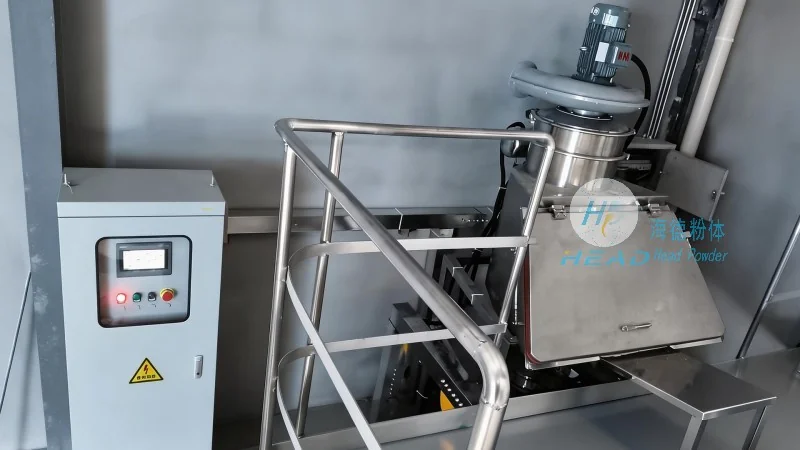
Applications and Operational Efficiency
Pneumatic conveying systems for paper sheet powders are widely used in various industries, including paper manufacturing, food processing, and pharmaceuticals. In paper mills, these systems are essential for transporting raw materials like pulp or recycled paper fibers from storage to processing units. The ability to handle large volumes of material efficiently reduces downtime and improves overall production throughput. Similarly, in food processing, pneumatic conveyors are used to transport ingredients like flour or starch, ensuring hygienic and contamination-free handling.
Operational efficiency is a key advantage of pneumatic conveying systems. Unlike traditional methods such as belt conveyors or bucket elevators, pneumatic systems eliminate the need for physical contact between the material and the conveying equipment, reducing wear and tear and minimizing the risk of material contamination. This is particularly beneficial for paper sheet powders, which can be sensitive to moisture or temperature changes. HeadPowder’s systems are designed with materials that are resistant to corrosion and wear, ensuring long-term reliability and low maintenance costs.
Customization and Integration
HeadPowder understands that each industrial application has unique requirements, and therefore, offers customized pneumatic conveying solutions tailored to specific needs. The company works closely with clients to assess their operational needs, material characteristics, and production goals, and then designs a system that optimizes performance and cost-effectiveness. Customization options include adjustable conveying velocities, multiple outlet points, and integration with existing production lines. This flexibility allows businesses to adapt the system as their production processes evolve, ensuring long-term value and sustainability.