

Principle and Working Scene Characteristics of High-Alumina Fly Ash Powder Pneumatic Conveying Equip
High-alumina fly ash, a byproduct of coal combustion, is widely utilized in construction materials like cement and concrete. Efficient and reliable transport of this powder is essential for industrial operations. The high-alumina fly ash powder pneumatic conveying equipment developed by Shandong HeadPowder Engineering Co., Ltd. (referred to as HeadPowder) addresses these needs through advanced pneumatic conveying technology.
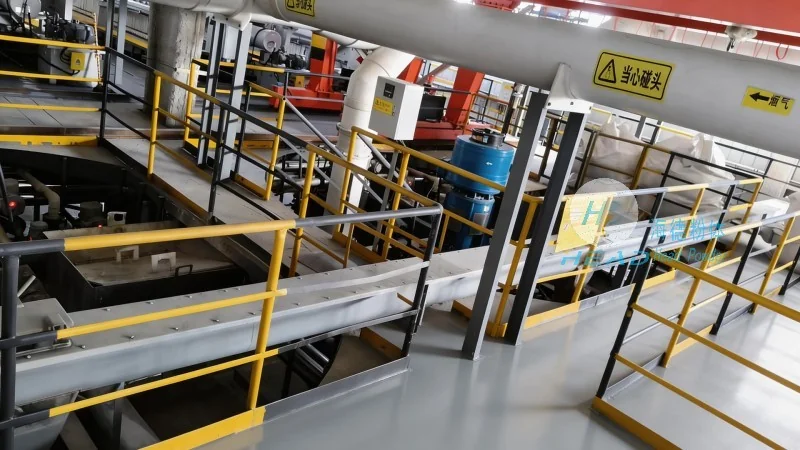
Principle of Pneumatic Conveying for High-Alumina Fly Ash
The core principle of pneumatic conveying involves using compressed air to transport powder materials through a pipeline system. For high-alumina fly ash, the equipment employs a combination of positive and negative pressure zones to move the powder from the source to the destination. The system typically includes a feeding hopper, a rotary valve for controlled material discharge, a conveying pipeline, and a receiver at the end point. Compressed air is introduced into the pipeline, creating a flow that lifts and propels the fly ash particles. This method eliminates mechanical components like belts or buckets, reducing maintenance and enhancing operational safety.
Key Working Scene Characteristics
HeadPowder's high-alumina fly ash pneumatic conveying equipment is designed for diverse industrial applications, particularly in power plants and cement manufacturing facilities. The equipment excels in environments where dust control and material handling efficiency are critical. One of the primary advantages is its ability to handle abrasive and fine powders, which is vital for high-alumina fly ash due to its particle size and chemical properties. The system's design minimizes material degradation and ensures consistent flow rates, essential for maintaining product quality in downstream processes.
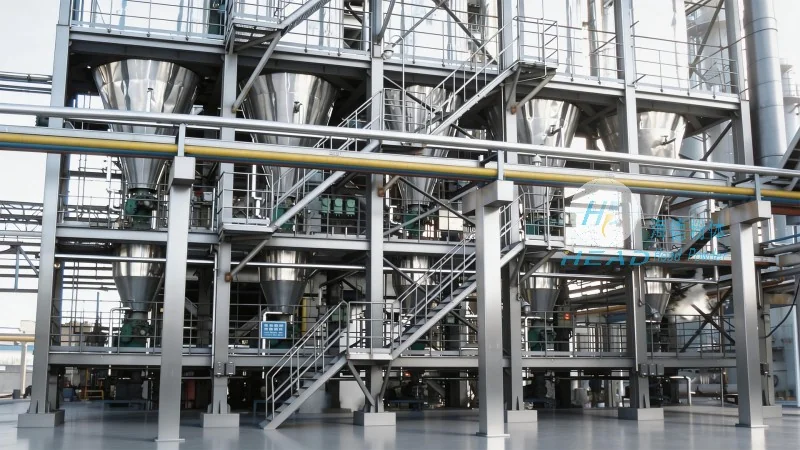
Application Scenarios and Operational Benefits
In power plants, the equipment is commonly used to transport fly ash from the boiler to storage silos or for further processing. The system's flexibility allows integration into existing infrastructure, reducing installation time and costs. For cement plants, it efficiently conveys fly ash to mixing facilities, enhancing high-quality cement production. Operational benefits include reduced labor costs from automated handling, lower energy consumption compared to traditional methods, and improved safety by eliminating manual powder handling. Additionally, the equipment's compact design and low space requirements make it suitable for both new installations and retrofitting in existing industrial sites.
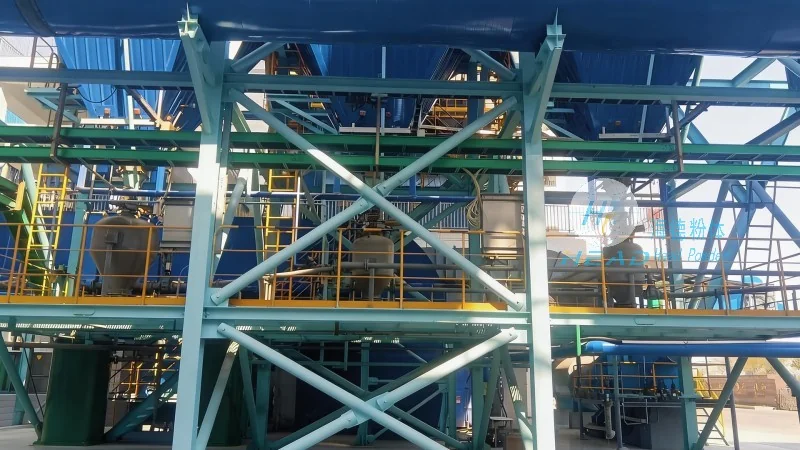
Technical Advantages and Customization Options
HeadPowder's pneumatic conveying systems offer several technical advantages tailored to high-alumina fly ash demands. High-quality materials, such as stainless steel for pipelines and components, provide resistance to corrosion and wear from the abrasive powder. The control panel enables real-time monitoring of pressure, flow rate, and material levels, allowing operators to optimize performance and detect issues promptly. Customization options are available for different pipeline diameters, conveying distances, and material feed rates, adapting to various production scales and environmental conditions for optimal performance.
Conclusion
Shandong HeadPowder Engineering Co., Ltd. provides high-efficiency and reliable high-alumina fly ash powder pneumatic conveying equipment that addresses the unique challenges of transporting this material. By leveraging advanced pneumatic conveying principles and tailored design features, the equipment enhances operational efficiency, safety, and product quality in industrial applications. With robust construction and customization capabilities, the system is a valuable solution for industries relying on high-alumina fly ash in their production processes.