Understanding the fundamental principles of cotton seed pneumatic conveying systems is crucial for optimizing material handling processes in agricultural and industrial settings. These systems leverage air pressure to transport bulk materials like cotton seeds efficiently and reliably. The core mechanism involves creating a flow of air that propels the seeds through a pipeline network, ensuring minimal product damage and high throughput rates. By utilizing pneumatic technology, these systems offer a superior alternative to traditional methods such as belt conveyors or manual handling, which often suffer from lower efficiency and higher maintenance costs.
Key Components of the System
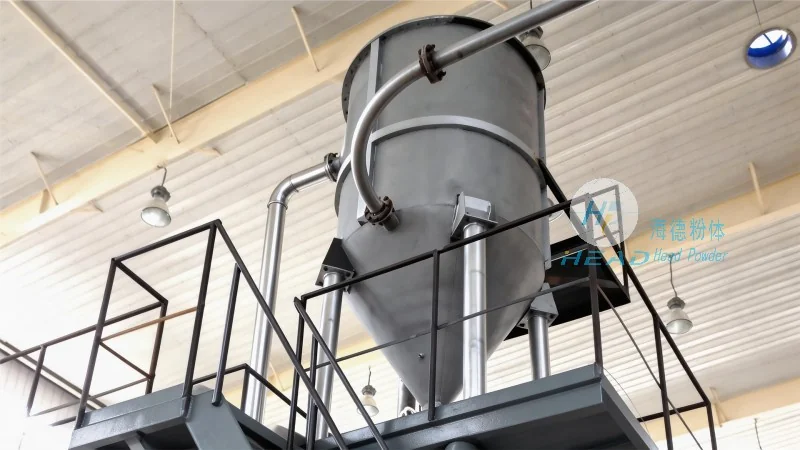
The cotton seed pneumatic conveying system consists of several critical components that work in tandem to achieve effective material transport. These include the hopper or feed hopper, which stores and feeds the cotton seeds into the system; the air compressor or blower, which generates the necessary air pressure; the pipeline network, which carries the seeds and air mixture; and the receiver or discharge hopper, where the material is collected. Each component plays a vital role in maintaining the system's efficiency and performance. The hopper is designed to hold a sufficient quantity of seeds, ensuring a continuous feed into the system. The air compressor, typically a positive displacement blower or a rotary lobe blower, provides the high-pressure air required to move the seeds. The pipeline network is constructed from materials such as stainless steel or plastic, chosen for their durability and resistance to corrosion. The receiver is equipped with a filter or separator to remove air from the seed mixture before collection.
How the Pneumatic Conveying Process Works
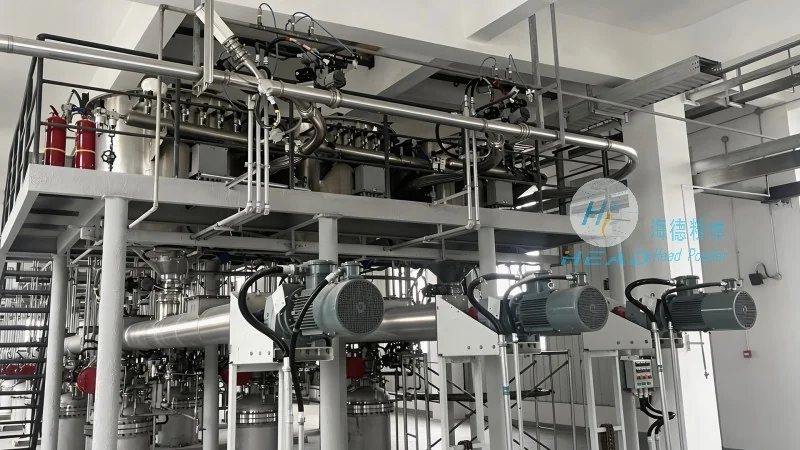
The operation of a cotton seed pneumatic conveying system begins with the seeds being fed from the hopper into the pipeline. The air compressor then introduces high-pressure air into the system, creating a flow that moves the seeds along the pipeline. The air-seed mixture travels through the pipeline network, with the air pressure maintaining the flow and preventing blockages. At the discharge end, the air is separated from the seeds, often using a cyclone separator or a filter, and the seeds are collected in the receiver. This process ensures that the cotton seeds are transported without excessive friction or impact, preserving their quality and integrity. The system can operate in either dilute-phase or dense-phase modes, depending on the specific requirements of the application. Dilute-phase conveying uses lower air velocities and higher air-to-material ratios, while dense-phase conveying uses higher air velocities and lower ratios, allowing for more controlled and gentle transport.
Benefits of Using Pneumatic Conveying for Cotton Seeds
Implementing a pneumatic conveying system for cotton seeds offers numerous advantages over traditional methods such as belt conveyors or manual handling. One of the primary benefits is the ability to transport materials over long distances with minimal energy consumption. The system also reduces the risk of product contamination and damage, as the enclosed pipeline prevents exposure to external elements. Additionally, pneumatic conveying systems are highly flexible, allowing for easy integration with existing processing lines and the ability to adjust flow rates as needed. The efficiency of these systems also leads to cost savings in terms of labor and equipment maintenance. For cotton seeds, which are delicate and prone to damage, the gentle handling provided by pneumatic systems is particularly beneficial, ensuring that the seeds retain their quality for further processing or storage.
Application in Agricultural and Industrial Settings
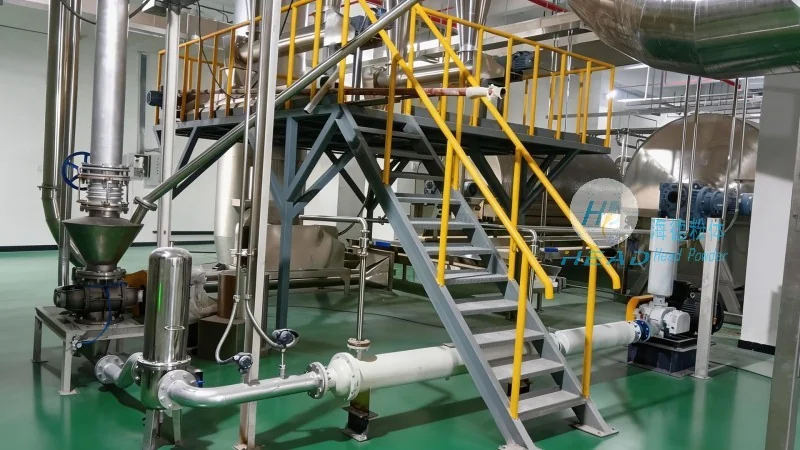
Cotton seed pneumatic conveying systems are widely used in both agricultural and industrial applications. In agricultural settings, they are employed in cotton ginning facilities to transport seeds from the ginning machine to storage or processing areas. The systems help streamline the post-harvest process, ensuring that seeds are handled efficiently and with minimal loss. In industrial settings, these systems are used in seed processing plants to move seeds for cleaning, grading, and packaging. The consistent and reliable transport provided by pneumatic systems enhances overall production efficiency and product quality. For example, in a cotton ginning plant, the pneumatic system can transport seeds from the cleaning and drying stages to the storage silos, reducing the need for manual labor and minimizing the risk of seed breakage. In industrial seed processing, the system can move seeds from the grading machine to the packaging line, ensuring that the correct grade of seeds is delivered to the final product.




