Understanding the fundamental principles of rice husk pneumatic conveying systems is crucial for optimizing material handling processes in agricultural and industrial settings. This article provides a comprehensive overview of the technology, focusing on the core mechanisms, key components, and practical applications that define efficient rice husk transportation solutions.
Company Overview: Shandong HeadPowder Engineering Co., Ltd.
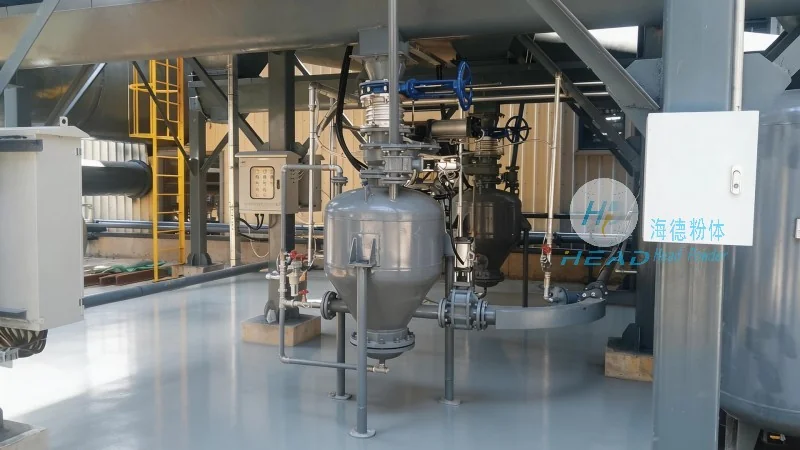
HeadPowder, a leading manufacturer in the field of pneumatic conveying systems, specializes in providing innovative solutions tailored to the unique challenges of handling rice husk. With a strong presence in China, particularly in Shandong province, the company leverages decades of expertise to deliver reliable and efficient equipment for agricultural processing and related industries. The company’s commitment to quality and customer satisfaction is reflected in its state-of-the-art manufacturing facilities and dedicated technical support team.
The Core Principles of Pneumatic Conveying for Rice Husk
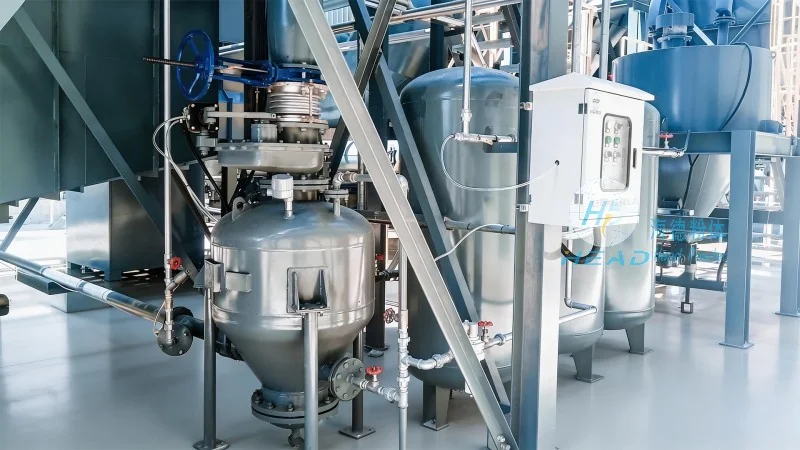
Pneumatic conveying systems operate on the principle of transporting bulk materials, such as rice husk, using a stream of air or gas. This method eliminates the need for mechanical components like belts or buckets, reducing maintenance costs and enhancing operational safety. The system typically involves a hopper to store the material, a blower or compressor to generate the air flow, and a pipeline network to direct the material to its destination. The air velocity and pressure are carefully controlled to ensure the material is suspended and transported smoothly without degradation or blockages.
Key Components and Their Functions in the System
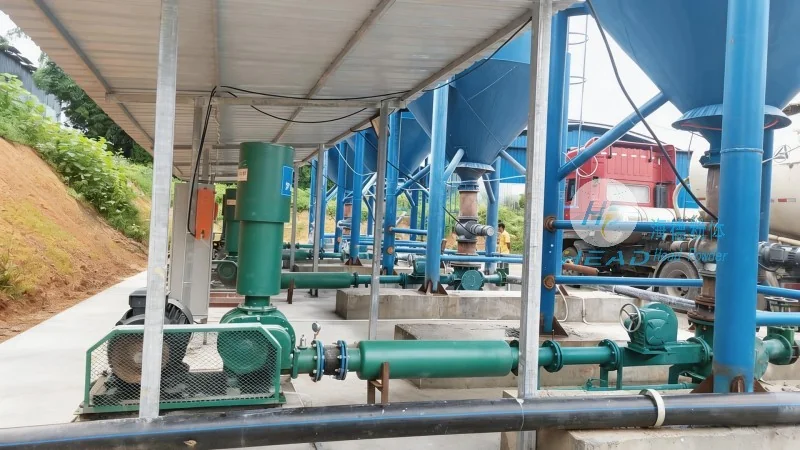
The effectiveness of a rice husk pneumatic conveying system relies on several critical components, each playing a specific role in the material handling process. The hopper serves as the storage vessel, allowing for uniform feeding of the rice husk into the system. The feeder, often a rotary valve or screw conveyor, regulates the flow rate of the material into the pipeline. The blower or compressor generates the necessary air pressure to move the material through the system. The pipeline network, constructed from durable materials like stainless steel or plastic, ensures the material is transported efficiently over varying distances. Additionally, the system may include filters and cyclones to separate the air from the material, ensuring clean operation and preventing dust accumulation.
Application Scenarios and Operational Benefits
Rice husk pneumatic conveying systems are widely used in various applications, including the processing of rice husk for biofuel production, animal feed manufacturing, and industrial applications such as carbonization or pelletization. The primary operational benefits of these systems include increased efficiency in material handling, reduced labor costs, and improved safety by minimizing manual handling of bulk materials. The systems also offer flexibility in layout design, allowing for integration into existing production lines or new facility setups. Furthermore, the technology reduces material degradation by avoiding mechanical impact, which is particularly important for rice husk, as it can affect the quality of downstream products.
Technical Advantages and Efficiency Improvements
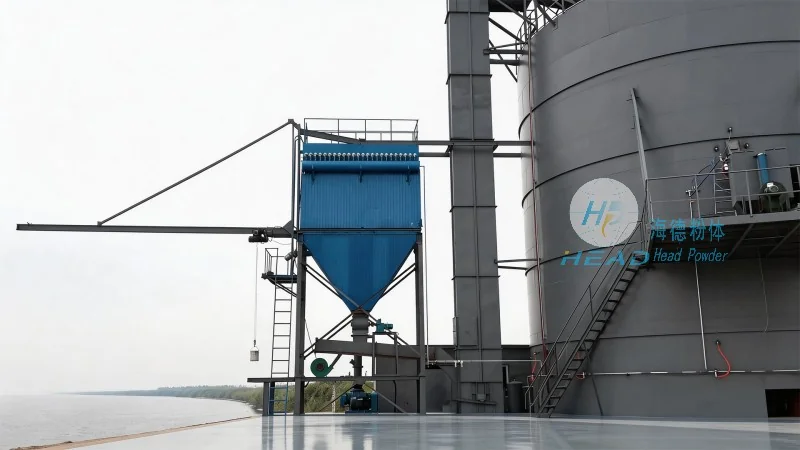
Modern rice husk pneumatic conveying systems offer several technical advantages that enhance overall performance and sustainability. The use of high-efficiency blowers and optimized pipeline designs minimizes energy consumption, contributing to lower operational costs and reduced environmental impact. The systems are also designed for easy maintenance, with accessible components that can be serviced quickly, minimizing downtime. Advanced control systems allow for real-time monitoring of system performance, enabling operators to adjust parameters such as air pressure and flow rate to optimize efficiency. Additionally, the systems can be integrated with other processing equipment, creating a seamless workflow that enhances productivity and reduces waste.




