

Working Principle and Characteristics of Pneumatic Conveying for Iron Oxide Powder Materials
Shandong HeadPowder Engineering Co., Ltd., a leading enterprise in the field of powder processing technology, specializes in the research, development, and application of pneumatic conveying systems for various powder materials. This article focuses on the working principle and key characteristics of pneumatic conveying for iron oxide powder, a common industrial material used in pigments, coatings, and other sectors.
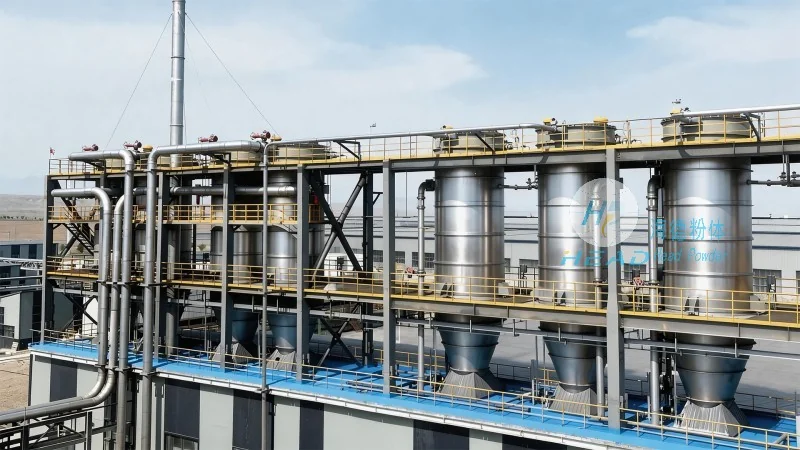
Overview of Pneumatic Conveying for Iron Oxide Powder
Pneumatic conveying, also known as pneumatic transport, is a method of transporting bulk materials, such as iron oxide powder, through a pipeline using a gas stream, typically air or a mixture of air and other gases. This technology is widely adopted in industries dealing with fine powders due to its efficiency and flexibility in handling materials like iron oxide, which are often sensitive to moisture and contamination.
The Working Principle of Pneumatic Conveying for Iron Oxide Powder
The core working principle of pneumatic conveying for iron oxide powder involves creating a pressure differential within a closed pipeline system. The process typically starts with the material being fed into a hopper or feeder, where it is then introduced into the pipeline. Simultaneously, a high-pressure air stream is generated by a blower or compressor, which propels the iron oxide powder particles through the pipeline. The air flow velocity is carefully controlled to ensure that the powder particles are suspended and transported without clogging or degradation. The system may operate under either positive pressure (where the pipeline is pressurized above atmospheric pressure) or negative pressure (where the pipeline is slightly vacuumed), depending on the specific application and material properties.
Key Characteristics of Pneumatic Conveying for Iron Oxide Powder
Several distinct characteristics make pneumatic conveying an ideal choice for handling iron oxide powder:
1. Efficiency and Speed: Pneumatic conveying allows for rapid and continuous transport of iron oxide powder over long distances, often with minimal downtime. The high air velocity ensures that the material is moved quickly and efficiently, reducing the need for manual handling and increasing overall production throughput.
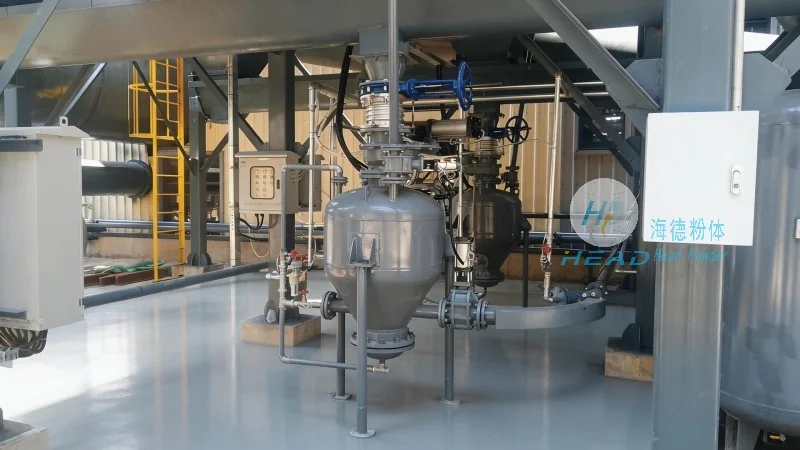
2. Low Material Damage: Unlike mechanical conveying methods, such as screw conveyors or belt conveyors, pneumatic conveying minimizes mechanical stress on the iron oxide powder particles. This is crucial for maintaining the quality of the powder, as iron oxide is often used in applications where particle size and shape are critical, such as in pigment manufacturing.
3. Flexibility in Layout: The system can be easily adapted to different plant layouts, allowing for complex and customized transport routes. This flexibility is particularly beneficial in industrial settings where space is limited or where multiple processing units need to be connected.
4. Reduced Contamination Risk: Pneumatic conveying systems are enclosed, which helps prevent contamination from external sources and minimizes dust emissions. This is important for iron oxide powder, which may be used in food or pharmaceutical applications where purity is essential.
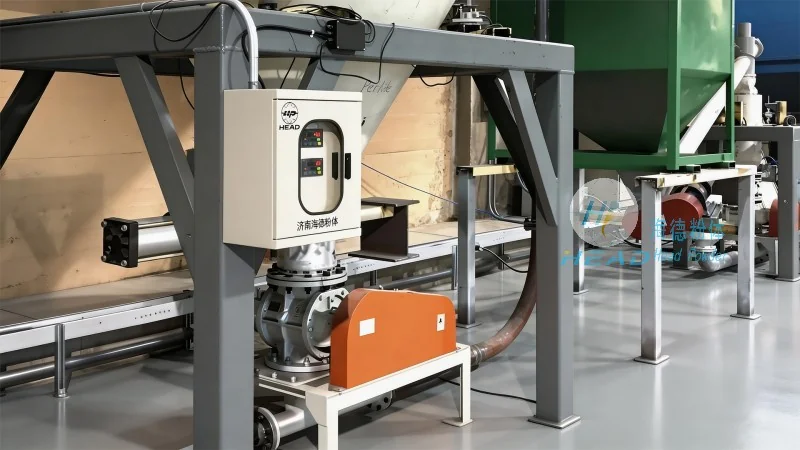
5. Energy Efficiency: Modern pneumatic conveying systems are designed to optimize energy consumption. By using appropriate air flow rates and pressure levels, the system can achieve efficient material transport while minimizing operational costs.
Application Considerations for Iron Oxide Powder Pneumatic Conveying
When implementing a pneumatic conveying system for iron oxide powder, several factors must be considered to ensure optimal performance. These include the particle size distribution of the iron oxide powder, the moisture content, and the desired transport distance. The choice between positive and negative pressure systems depends on the specific requirements of the application, such as the need to transport materials from a lower to a higher elevation or vice versa.
Additionally, the material properties of iron oxide, such as its density and flowability, influence the design of the conveying system. For example, if the iron oxide powder is highly cohesive or has a wide particle size range, specialized equipment like rotary valves or airlocks may be required to ensure smooth feeding and prevent blockages.
Conclusion
Pneumatic conveying represents a highly effective and versatile method for transporting iron oxide powder, offering numerous advantages over traditional mechanical conveying techniques. By understanding the working principle and key characteristics of this technology, industries can optimize their material handling processes, improve product quality, and enhance overall operational efficiency. Shandong HeadPowder Engineering Co., Ltd. provides comprehensive solutions for pneumatic conveying systems tailored to the specific needs of iron oxide powder applications, ensuring reliable and efficient material transport in various industrial settings.