

Working Principle and Characteristics of Pneumatic Conveying for Coal Ash Particle Materials
For industrial applications involving the handling of coal ash particles, pneumatic conveying systems offer a reliable and efficient method of material transport. Understanding the working principle and key characteristics of such systems is essential for optimizing operational performance and ensuring safety in processing facilities. This article provides an overview of the mechanisms behind pneumatic conveying for coal ash particles, highlighting the technical aspects and practical advantages of this technology.
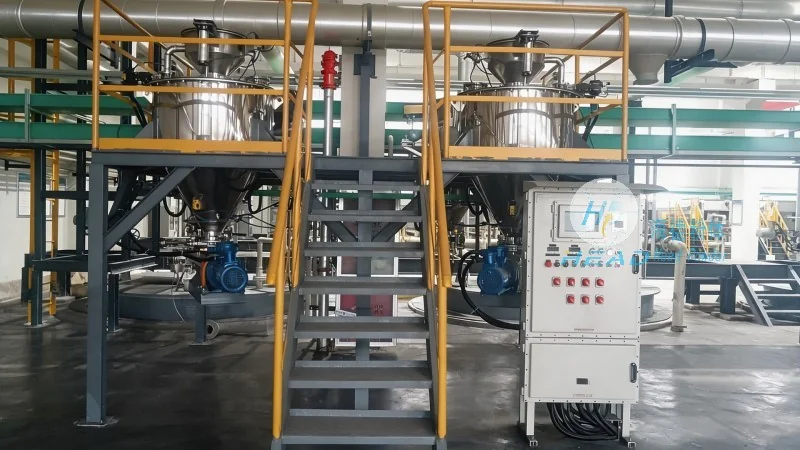
Working Principle of Pneumatic Conveying for Coal Ash Particles
Pneumatic conveying systems operate by using a stream of air or gas to transport solid particles, such as coal ash, through a pipeline. The process typically involves several key components and steps. First, the coal ash particles are introduced into a hopper or feeder, where they are then drawn into a conveying line by a vacuum or pressure source. The air flow, generated by a fan or blower, creates a pressure differential that propels the particles forward. As the particles travel through the pipeline, they are suspended in the air stream, allowing for smooth and continuous movement. The system may use either a vacuum (negative pressure) or pressure (positive pressure) mode, depending on the specific application and distance of transport. In the case of coal ash, which often consists of fine to medium-sized particles, the selection of the appropriate conveying method—such as dilute phase or dense phase—plays a critical role in maintaining system efficiency and preventing particle degradation.
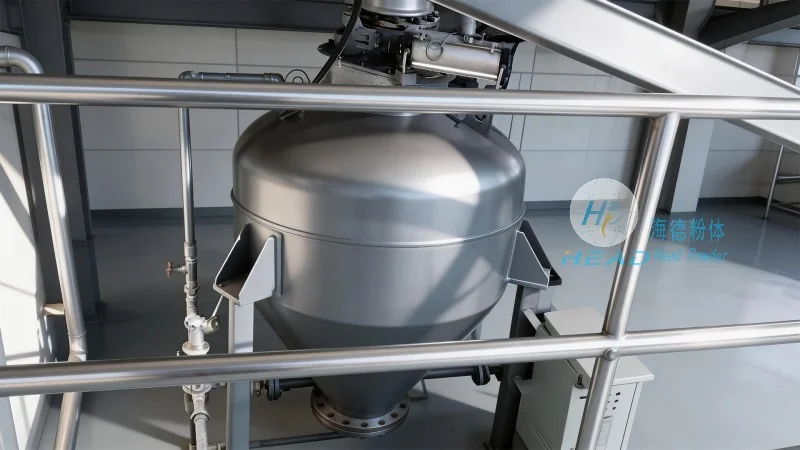
Key Characteristics of Pneumatic Conveying for Coal Ash Particles
Several distinct characteristics define the performance of pneumatic conveying systems when handling coal ash particles. These features contribute to the system's suitability for various industrial processes and help in decision-making for material handling solutions. First, the system offers high efficiency in terms of material transport speed and throughput. By utilizing air as the conveying medium, the process can achieve rapid movement of particles over considerable distances, often with minimal energy consumption compared to traditional mechanical methods like belt conveyors or bucket elevators. Second, pneumatic conveying provides flexibility in system design and operation. The technology can be adapted to handle a wide range of particle sizes, shapes, and moisture contents, making it versatile for different coal ash compositions. This adaptability is particularly valuable in processing facilities where coal ash characteristics may vary due to changes in fuel sources or combustion conditions. Third, the system is characterized by its low maintenance requirements and reduced risk of material contamination. Unlike mechanical systems that may involve direct contact with the particles, pneumatic conveying minimizes the need for physical components that could wear out or introduce contaminants. This results in longer service life for the equipment and lower operational costs over time. Additionally, the enclosed nature of the conveying pipeline helps maintain environmental standards by preventing dust emissions and ensuring compliance with air quality regulations. Fourth, the system offers scalability, allowing for adjustments in capacity based on production needs. Whether for small-scale laboratory applications or large-scale industrial operations, pneumatic conveying systems can be customized to meet specific throughput requirements, making them suitable for both research and commercial use. The ability to scale up or down without significant modifications to the core system enhances the practicality of implementing this technology in diverse industrial settings.
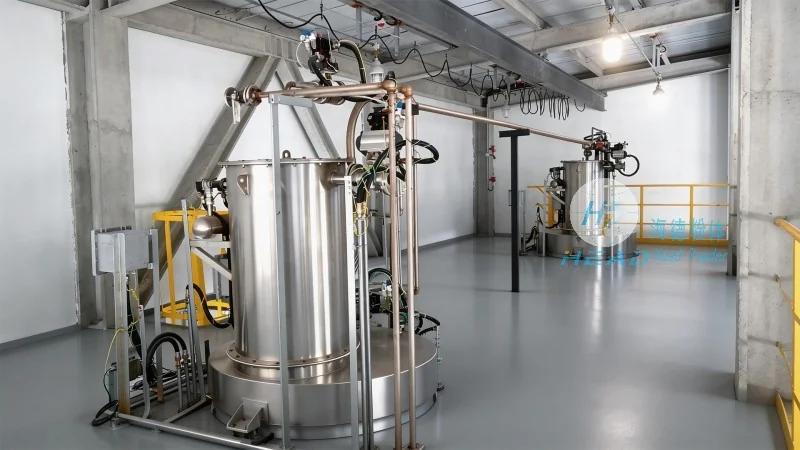
Applications and Benefits in Coal Ash Processing
The application of pneumatic conveying systems in coal ash processing facilities brings numerous benefits that enhance operational efficiency and environmental compliance. By effectively transporting coal ash from combustion sources to storage or disposal sites, these systems contribute to streamlined material handling workflows. The high throughput and low energy consumption of pneumatic conveying reduce operational costs, making it an economically viable option for long-term use. Moreover, the enclosed pipeline design minimizes dust dispersion, improving workplace safety and reducing the environmental impact of coal ash handling. This is particularly important in regions with strict air quality regulations, where dust control is a critical concern. The flexibility of the system allows for integration with other processing equipment, such as classifiers or dewatering units, enabling a more comprehensive approach to coal ash management. Companies like Shandong HeadPowder Engineering Co., Ltd., based in China, specialize in designing and manufacturing pneumatic conveying solutions tailored to the specific needs of coal ash processing industries. With years of experience in the field, they provide customized systems that optimize performance while adhering to industry standards and safety protocols.
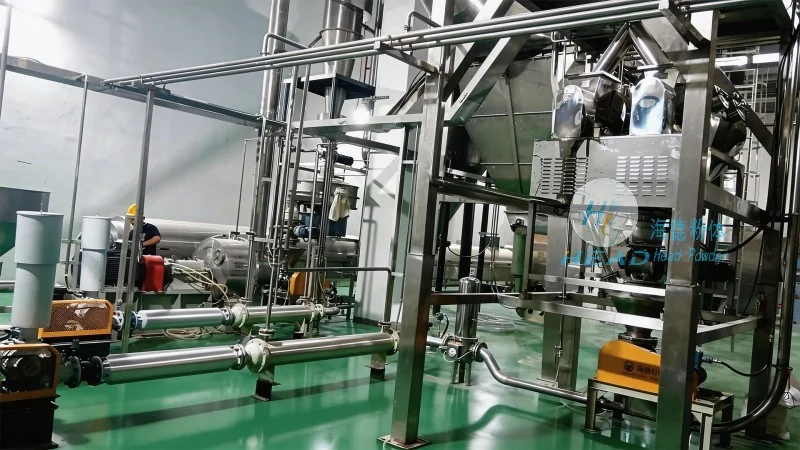
Conclusion
In summary, pneumatic conveying for coal ash particles is a sophisticated technology that leverages air flow to transport solid materials efficiently and safely. The working principle, which involves creating a pressure differential to suspend and move particles through pipelines, is complemented by several key characteristics that enhance system performance and adaptability. These include high efficiency, flexibility in handling diverse particle properties, low maintenance, and scalability. The benefits of implementing such systems in coal ash processing extend beyond operational efficiency to include improved environmental compliance and workplace safety. As a leading provider in the industry, Shandong HeadPowder Engineering Co., Ltd. continues to advance pneumatic conveying solutions, ensuring that coal ash handling remains a reliable and sustainable practice in industrial applications.