

What is an Automatic Pneumatic Conveyor? And What Are Its Design Principles?
Pneumatic conveying systems are essential in modern industrial operations, particularly for the efficient transport of bulk materials. These systems utilize compressed air or gas to move powders, granules, and other particulate materials through a pipeline network. The technology has evolved significantly, leading to the development of automatic pneumatic conveyors that offer enhanced control, reliability, and flexibility compared to traditional methods.
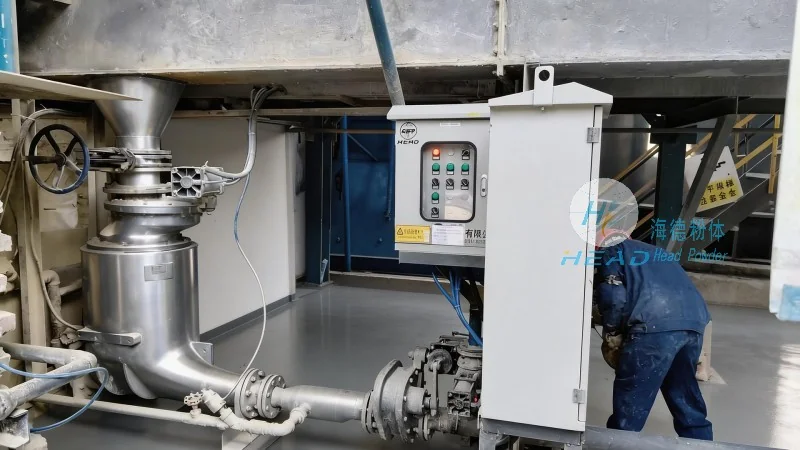
What Are Automatic Pneumatic Conveyors?
An automatic pneumatic conveyor is a sophisticated system designed to transport bulk materials over long distances or within complex industrial settings. Unlike manual or semi-automatic systems, these conveyors operate with minimal human intervention, leveraging advanced control mechanisms and sensors to regulate the flow of material and air. The core components include a hopper for material storage, a blower or compressor to generate the air flow, and a pipeline network that guides the material from the source to the destination. The system can handle various materials, including powders, granules, and even small solid pieces, making it versatile for different industrial applications.
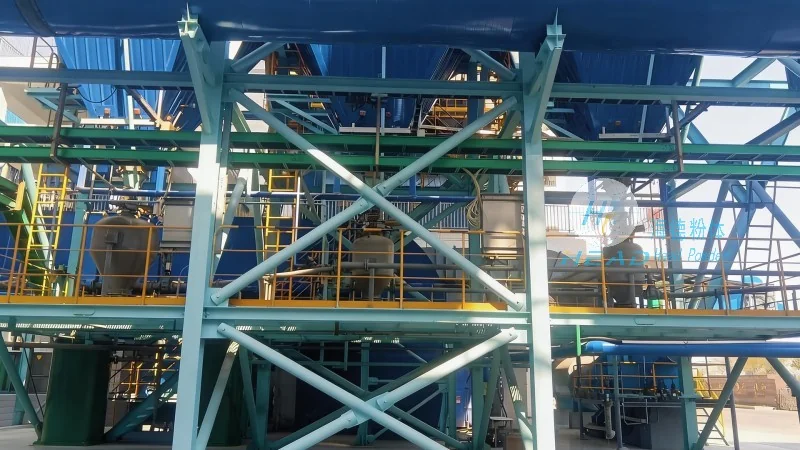
Key Design Principles of Pneumatic Conveying Systems
The design of an automatic pneumatic conveyor is governed by several critical principles to ensure optimal performance and efficiency. First, the system must maintain a consistent air pressure and flow rate to prevent material blockages or degradation. This is achieved through the use of high-quality blower systems and pressure regulators. Second, the pipeline design is crucial; it needs to be sized appropriately to handle the material's properties, such as particle size, density, and moisture content, to avoid pressure losses or material deposition. Third, the system incorporates safety features, such as air filters and pressure relief valves, to protect against over-pressurization and ensure operator safety. Additionally, the control system, often integrated with sensors and automation software, allows for real-time monitoring and adjustment of the conveying process, enhancing overall operational efficiency.
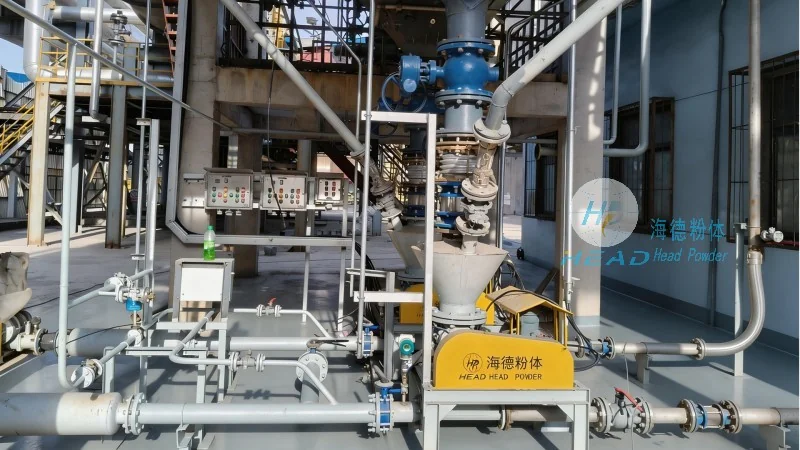
Components and Working Mechanism
The working mechanism of an automatic pneumatic conveyor involves several interconnected components that work in harmony to transport materials. The process typically begins with the material being loaded into a hopper, where it is stored and prepared for transport. A rotary valve or feeder then meters the material into the pipeline at a controlled rate. Simultaneously, a blower or compressor generates a high-pressure air stream that is introduced into the pipeline. The air flow, combined with the material, creates a mixture that moves through the pipeline to the destination point, such as a silo, storage tank, or processing unit. At the receiving end, a separator or cyclone separates the material from the air, allowing the material to be discharged while the air is either recirculated or vented to the atmosphere. The entire process is automated, with sensors monitoring parameters like pressure, flow rate, and material level to adjust the system as needed.
Applications and Benefits
Automatic pneumatic conveyors find widespread applications across various industries, including food processing, pharmaceuticals, chemicals, and mining. In the food industry, for example, these systems are used to transport ingredients like flour, sugar, and spices, ensuring hygienic and efficient handling. In pharmaceutical manufacturing, they are employed to convey raw materials and finished products, maintaining strict contamination control. The benefits of using automatic pneumatic conveyors include improved safety, as the system minimizes human exposure to hazardous materials; enhanced efficiency, with reduced downtime and increased throughput; and cost savings from lower labor requirements and minimized material loss. Additionally, the systems are adaptable to different production scales, from small-scale operations to large industrial facilities, making them a versatile solution for bulk material handling.
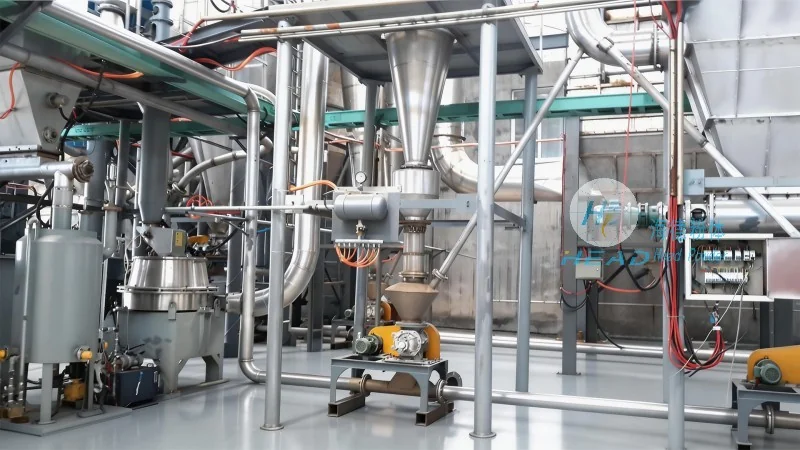
Company Information: Shandong HeadPowder Engineering Co., Ltd.
HeadPowder, the company behind these advanced pneumatic conveying solutions, is a leading manufacturer and supplier of industrial material handling equipment. Based in Shandong, China, HeadPowder specializes in designing, manufacturing, and installing custom pneumatic conveying systems tailored to the specific needs of its clients. The company's team of engineers and technicians leverages years of experience and cutting-edge technology to develop solutions that meet the highest industry standards. With a commitment to quality and customer satisfaction, HeadPowder provides comprehensive support, from initial consultation and system design to installation and after-sales service. The company's products are known for their reliability, durability, and efficiency, making them a trusted choice for businesses seeking to optimize their material handling processes.