

What is a Low-Pressure Pneumatic Conveyor? What Are Its Design Principles?
Low-pressure pneumatic conveyors are an essential piece of equipment in various industrial sectors, particularly for the efficient and safe transportation of bulk materials. Understanding what these systems are and their underlying design principles is crucial for businesses seeking to optimize material handling processes. This article aims to provide a comprehensive overview of low-pressure pneumatic conveyors, detailing their functionality, key design elements, and the engineering considerations that make them effective solutions for material transport needs.
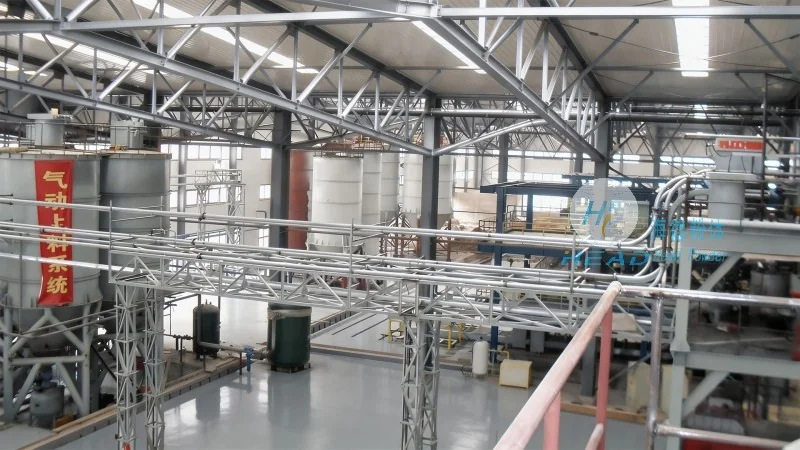
HeadPowder, a leading manufacturer based in Shandong, China, specializes in the design, development, and production of advanced pneumatic conveying systems. With a strong commitment to quality and innovation, HeadPowder has established itself as a trusted partner for industries requiring reliable and efficient material handling solutions. The company’s headquarters is located in Shandong, China, where it leverages local expertise and resources to deliver cutting-edge equipment tailored to global market demands.
Design Principles of Low-Pressure Pneumatic Conveyors
Low-pressure pneumatic conveyors operate on the principle of transporting bulk materials using a low-pressure air stream. Unlike high-pressure systems, which use higher air velocities to move materials, low-pressure conveyors typically operate at pressures ranging from 0.5 to 2 bar (7 to 29 psi). This lower pressure level reduces energy consumption while still providing sufficient force to move materials through the system. The design of a low-pressure pneumatic conveyor involves several critical components that work in harmony to ensure efficient material transport.
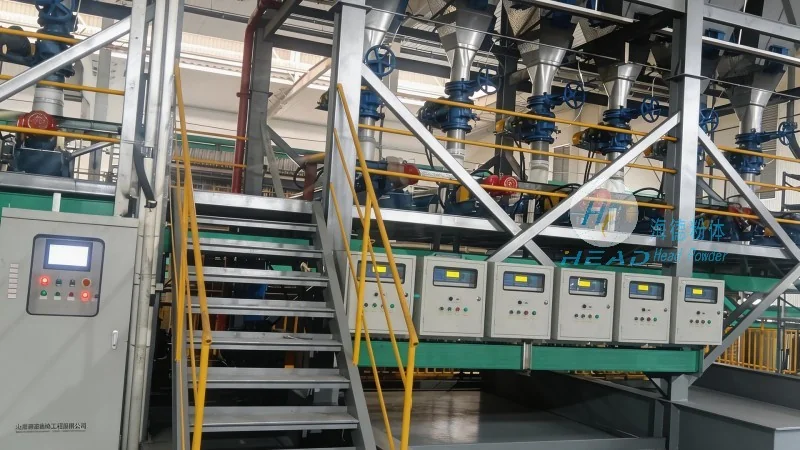
At the core of the system is the air compressor, which generates the low-pressure air required to move materials. The compressor is connected to a network of pipes and ducts that distribute the air throughout the conveyor system. The material is introduced into the system at the inlet, often through a hopper or feeder, and is then entrained by the air stream as it travels through the pipeline. The design of the inlet and feeder is crucial to ensure consistent material flow and to prevent blockages or air leakage.
The pipeline itself is a key design element, as it must be constructed to withstand the low-pressure air and the materials being transported. Materials such as stainless steel, aluminum, or plastic are commonly used for the pipeline, depending on the application and the type of material being conveyed. The pipeline is typically arranged in a straight or slightly curved path to minimize friction and energy loss. Additionally, the pipeline may include components such as bends, elbows, and straight sections, each designed to maintain the air flow and material transport without causing excessive pressure drops.
Another critical component is the air separator or receiver, which is used to separate the material from the air stream at the end of the conveyor. The separator is typically a large tank or hopper that allows the air to escape while trapping the material. The design of the separator is important to ensure that the material is collected efficiently and without re-entrainment of air. The separator may also include a discharge mechanism, such as a valve or a conveyor, to move the material to its final destination.
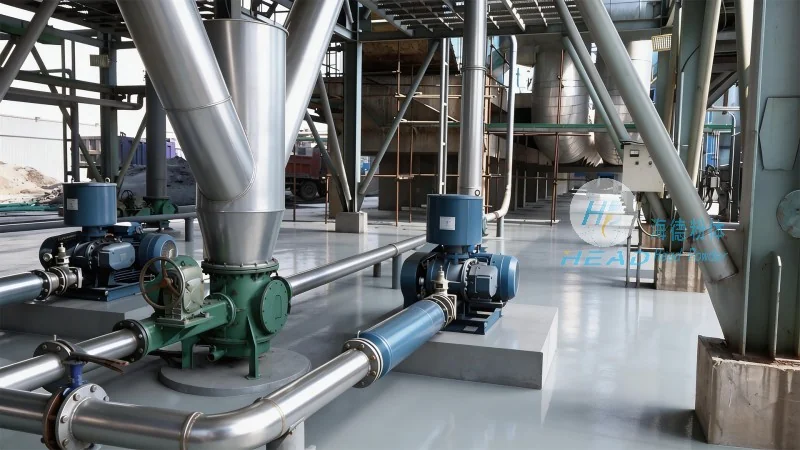
The control system is another essential part of the low-pressure pneumatic conveyor design. This system regulates the air flow and pressure, ensuring that the conveyor operates within safe and efficient parameters. The control system may include sensors to monitor pressure, flow, and material levels, as well as valves and actuators to adjust the system as needed. The design of the control system is crucial to ensure that the conveyor operates smoothly and without interruptions.
Key Features and Advantages of Low-Pressure Pneumatic Conveyors
Low-pressure pneumatic conveyors offer several advantages over other material handling methods, making them a popular choice for many industries. One of the primary benefits is their ability to transport materials over long distances without the need for multiple transfer points. This reduces the risk of material contamination and improves overall efficiency. Additionally, low-pressure systems are less likely to cause dust explosions compared to high-pressure systems, as the air velocity is lower and the pressure is reduced.
Another advantage is the flexibility of the system. Low-pressure pneumatic conveyors can be easily modified or expanded to accommodate changing production needs. The system can be configured to transport different types of materials, from powders and granules to bulk solids, making it a versatile solution for various applications. The design of the system allows for easy integration with other equipment, such as hoppers, feeders, and storage tanks, further enhancing its functionality.
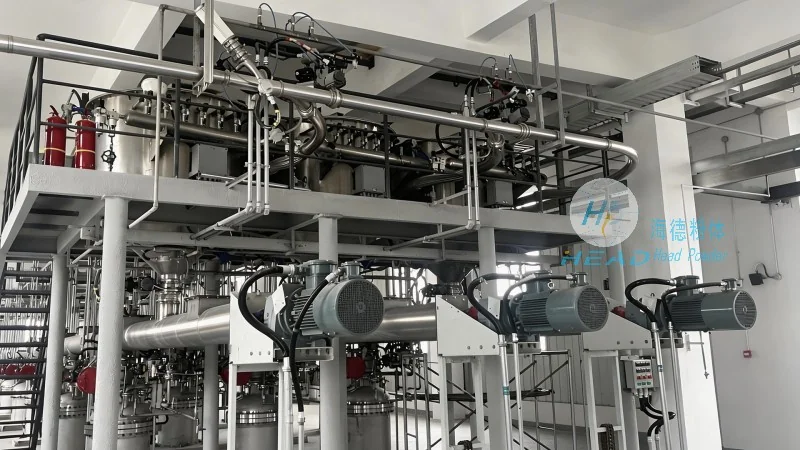
The low energy consumption of low-pressure systems is also a significant advantage. By operating at lower pressures, these systems require less energy to operate, resulting in lower operating costs and reduced environmental impact. This makes them an attractive option for businesses looking to reduce their energy consumption and improve their sustainability.
Furthermore, low-pressure pneumatic conveyors are relatively easy to maintain and repair. The components are designed to be durable and long-lasting, with minimal moving parts that can wear out or require replacement. The system can be easily cleaned and maintained, ensuring that it operates at peak efficiency for extended periods.