

Working Principle and Features of Slurry and Sand Material Handling Systems
Slurry and sand material handling systems are essential in various industrial sectors, particularly for transporting bulk materials that are often abrasive and heavy. These systems are designed to ensure efficient, reliable, and safe movement of materials mixed with water or other liquids. The following content will delve into the working principles and key characteristics of such equipment, providing a comprehensive overview for users seeking to understand or implement these systems.
Company Profile
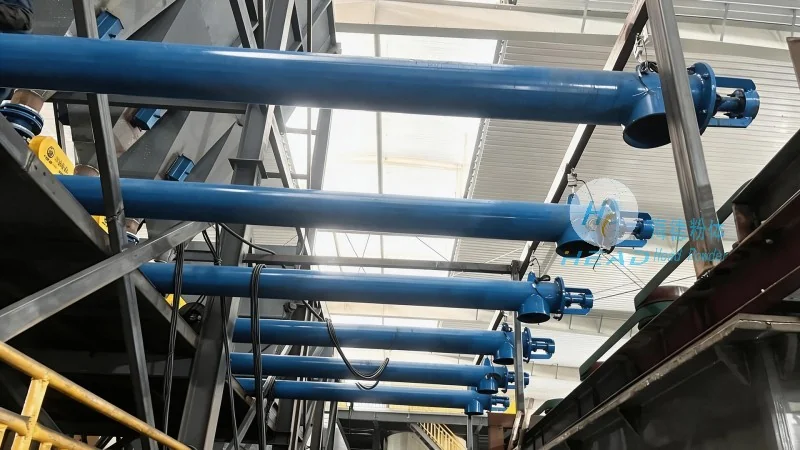
HeadPowder, a prominent manufacturer based in Shandong, China, specializes in the development and production of advanced material handling solutions. As a key player in the industry, HeadPowder has built a reputation for delivering high-quality slurry and sand handling equipment tailored to diverse industrial needs. The company's headquarters are located in Shandong, China, and it focuses on innovation and customer-centric design to meet the demands of sectors like mining, construction, and environmental management.
Working Principle of Slurry and Sand Material Handling Systems
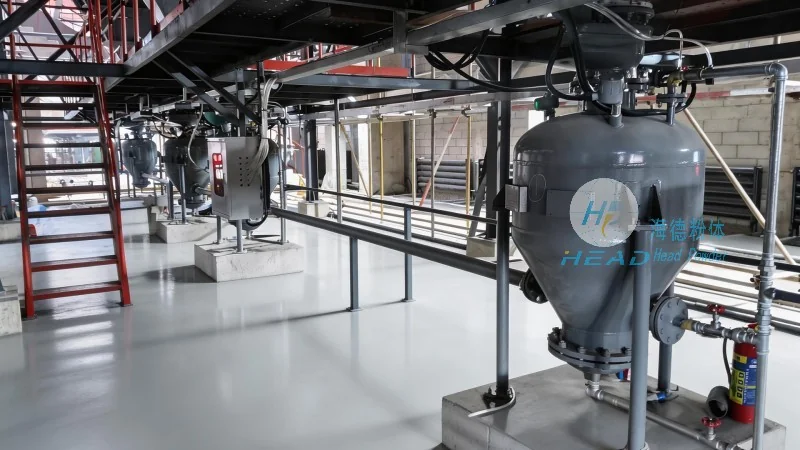
The operation of slurry and sand material handling systems centers on the coordinated function of several components to transport particulate materials. The process typically begins with material feeding, where the slurry or sand is introduced into a hopper or storage tank. From there, the material is conveyed through pipelines or conveyor systems, often utilizing pumps or mechanical drives to maintain flow. Valves, filters, and control mechanisms are integrated to regulate flow rates and pressure, ensuring safe and efficient transport. The systems are engineered to minimize friction and wear, as the materials are often abrasive and can cause significant degradation of equipment parts over time.
Key Features of Slurry and Sand Handling Equipment
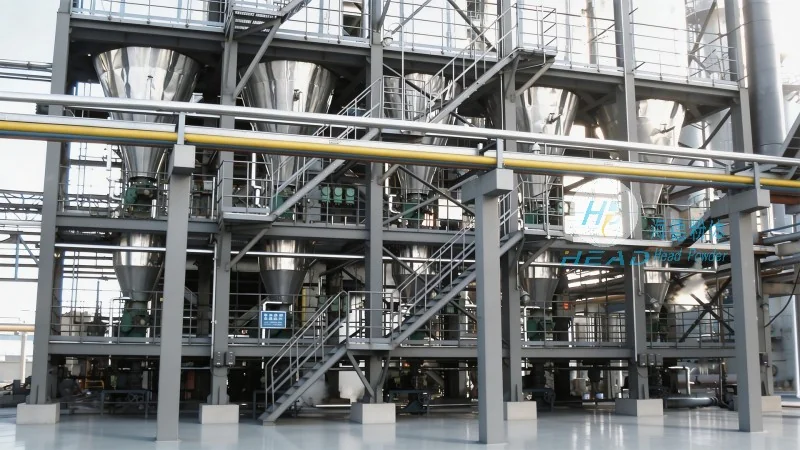
HeadPowder's slurry and sand material handling systems incorporate several notable features that enhance performance and durability. Construction utilizes robust materials such as stainless steel or high-grade alloys, which resist corrosion and wear from abrasive substances, ensuring long-term reliability and reducing maintenance costs. Advanced control systems enable precise regulation of flow rates and pressure, allowing operators to adapt the system to specific operational requirements. Monitoring and diagnostic tools provide real-time performance data and early alerts for potential issues, improving system uptime. Modular designs facilitate easy installation, maintenance, and customization to meet unique application needs, making the equipment versatile and adaptable.
Applications and Advantages
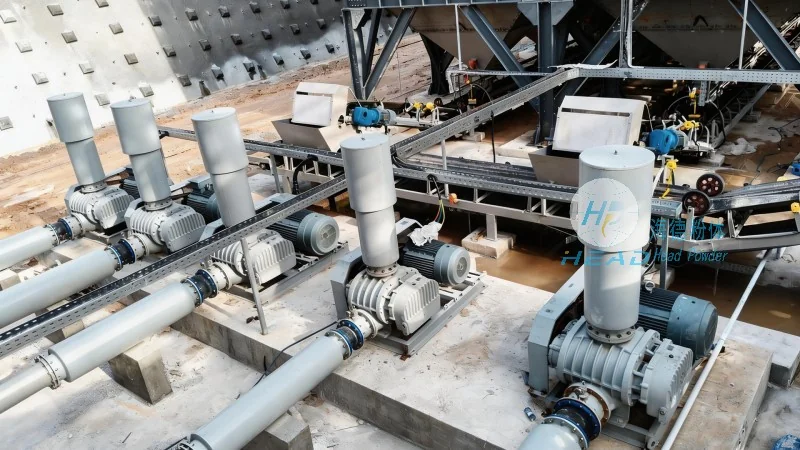
Slurry and sand material handling systems are widely applied in industries including mining (for ore transport as slurry), construction (handling aggregates for concrete production), and environmental management (transporting sludge from treatment facilities). The advantages of these systems include increased operational efficiency, reduced labor costs, and enhanced safety by minimizing manual handling of heavy materials. HeadPowder's equipment further contributes to cost-effectiveness through lower operational expenses and extended equipment lifespan, making them a practical solution for industrial material transport needs. The systems are engineered to handle challenging materials while maintaining reliability and performance, addressing the specific demands of each industry application.