

Principle and Working Scene Characteristics of Cement Fly Ash Powder Conveying System
HeadPowder, a leading engineering company based in Shandong, China, specializes in the design and implementation of advanced powder conveying systems. This article focuses on the cement fly ash powder conveying system, detailing its operational principles and the specific working environments where it is most effectively applied.
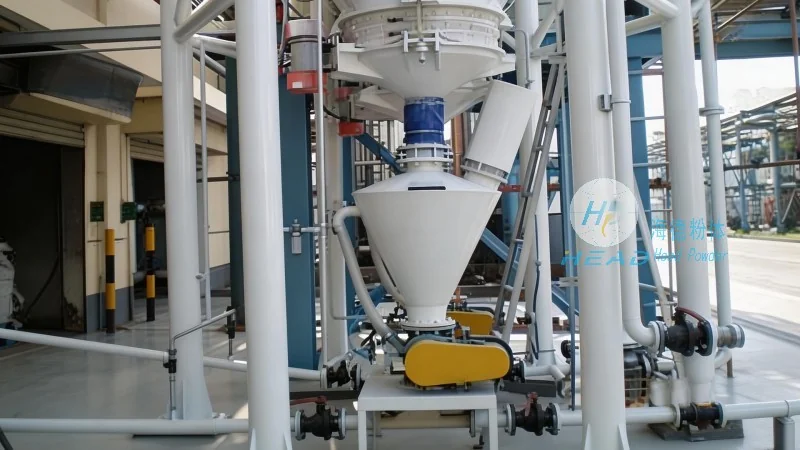
System Overview and Core Components
The cement fly ash powder conveying system is engineered to efficiently transport bulk materials such as cement and fly ash, which are critical components in construction and industrial applications. The system typically comprises several key components, including a hopper for material storage, a feeder to control the flow rate, a conveying pipeline, and a control unit for system management. These components work in tandem to ensure smooth and reliable material transport from the source to the destination.
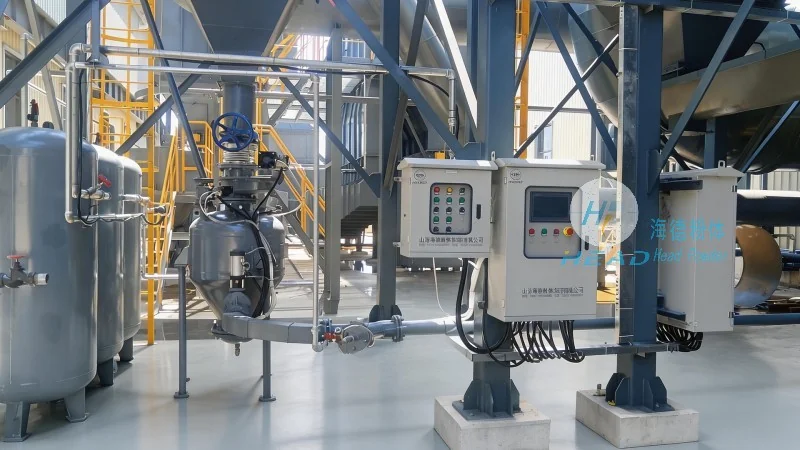
Working Principle of the Powder Conveying System
The operation of the cement fly ash powder conveying system is based on the principle of pneumatic or mechanical conveying. In pneumatic systems, compressed air is used to create a flow that moves the powder through the pipeline. The system may also incorporate mechanical elements like screw conveyors or bucket elevators, depending on the specific requirements of the application. The feeder regulates the material discharge rate, preventing overloading or underloading of the pipeline. The control unit monitors pressure, flow rate, and other parameters to maintain optimal system performance and prevent operational issues.
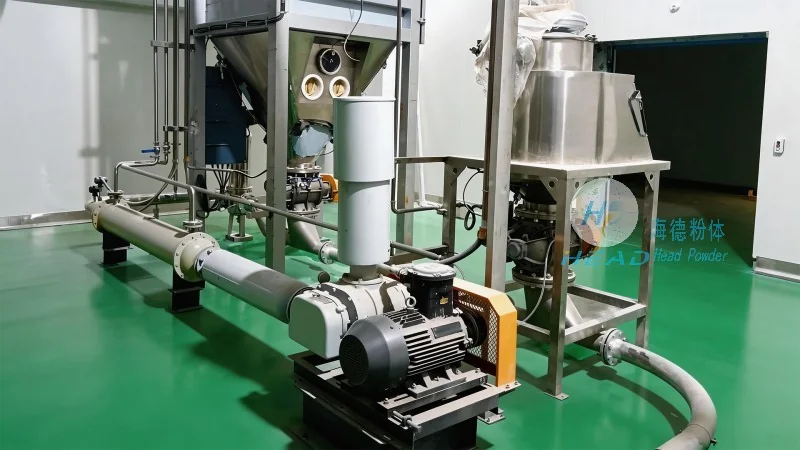
Key Working Scene Characteristics
The cement fly ash powder conveying system is particularly suited for industrial settings where large volumes of powder materials need to be transported over considerable distances. Common applications include cement plants, power stations, and construction sites, where the system can handle high throughput while maintaining material integrity. The system's design allows for flexibility in pipeline layout, enabling it to adapt to complex layouts in industrial facilities. Additionally, the system is built to withstand the abrasive nature of cement and fly ash, ensuring long-term durability and minimal maintenance requirements.
Advantages in Specific Work Environments
In industrial work environments, the cement fly ash powder conveying system offers several advantages. It minimizes material handling costs by eliminating the need for manual or bulk transport methods, which can be labor-intensive and inefficient. The system also reduces the risk of dust contamination and improves workplace safety by containing the material within the pipeline. Furthermore, the automated control features enhance operational efficiency and reduce the likelihood of human error, leading to consistent and reliable material delivery. The system's adaptability to different material types and flow rates makes it a versatile solution for various industrial applications.
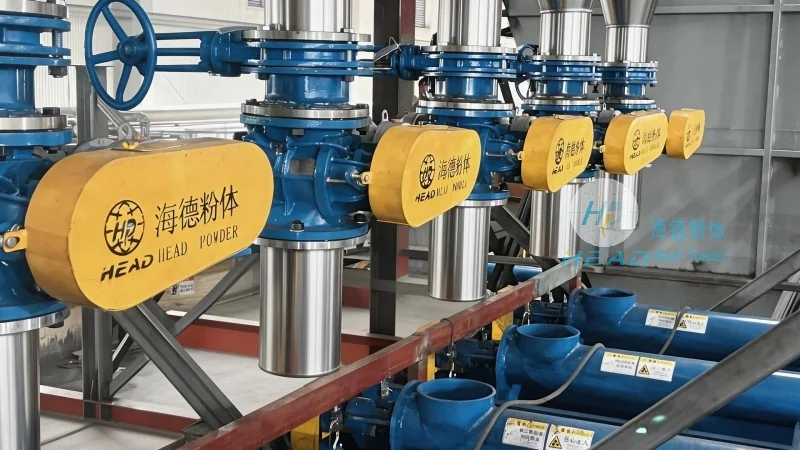
Conclusion and Application Scope
HeadPowder's cement fly ash powder conveying system exemplifies advanced engineering solutions for bulk material transport. By integrating efficient components and robust operational principles, the system meets the demands of modern industrial applications while ensuring reliability and cost-effectiveness. The system's suitability for diverse work environments, from large-scale manufacturing to construction sites, highlights its broad applicability in the cement and power industries. As a result, it serves as a critical component in optimizing material flow and enhancing overall operational efficiency in industrial settings.