

Principle and Working Scene Characteristics of Positive Electrode Material Powder Conveying System
Positive electrode material powder conveying systems are critical components in the production processes of lithium-ion batteries, particularly in the handling and transportation of active materials. These systems are designed to ensure efficient, safe, and reliable movement of fine powders, which are essential for the manufacturing of high-performance battery cells. The technology behind such systems integrates principles of fluidization, pneumatic transport, and mechanical handling to address the unique challenges posed by the physical properties of battery materials. With a focus on precision and contamination control, these systems play a pivotal role in maintaining the quality and consistency of battery components.
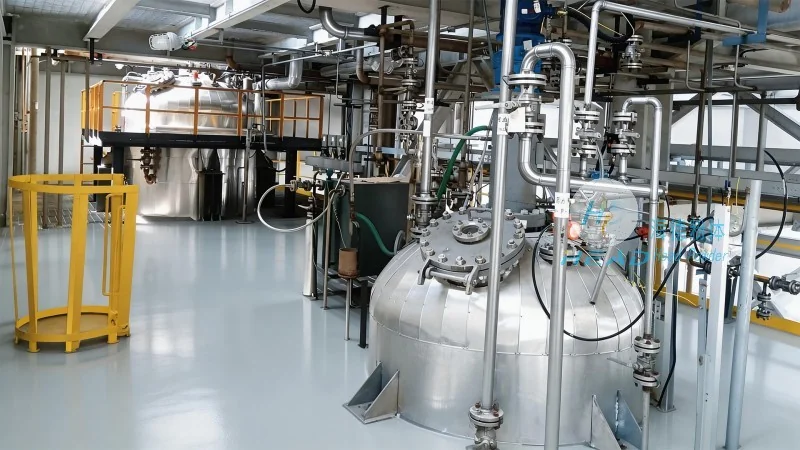
About Shandong HeadPowder Engineering Co., Ltd.
HeadPowder, the professional manufacturer of advanced powder handling solutions, specializes in the design, development, and implementation of customized conveying systems tailored to the needs of the battery industry. With a focus on precision and reliability, HeadPowder's systems are engineered to meet the stringent requirements of modern battery production facilities. The company's headquarters is located in Shandong, China, where it leverages local expertise and resources to deliver cutting-edge solutions for clients worldwide. HeadPowder's commitment to innovation and quality has established it as a trusted partner in the battery material processing sector.
Principle of Operation for Powder Conveying Systems
The core principle of positive electrode material powder conveying systems involves the use of pneumatic or mechanical methods to transport fine powders from one location to another. In pneumatic conveying, compressed air is used to create a flow that carries the powder particles through a pipeline. This method is particularly effective for handling materials that are prone to dusting or require minimal contamination. The system typically includes components such as feeders, hoppers, and control valves to regulate the flow of material. Mechanical conveying, on the other hand, relies on screw conveyors or belt systems to move the powder, which is often preferred for materials that are more abrasive or require higher pressure handling. Both methods are designed to maintain the integrity of the powder and prevent agglomeration or degradation during transport. The choice between pneumatic and mechanical systems depends on factors like material properties, production scale, and environmental constraints.
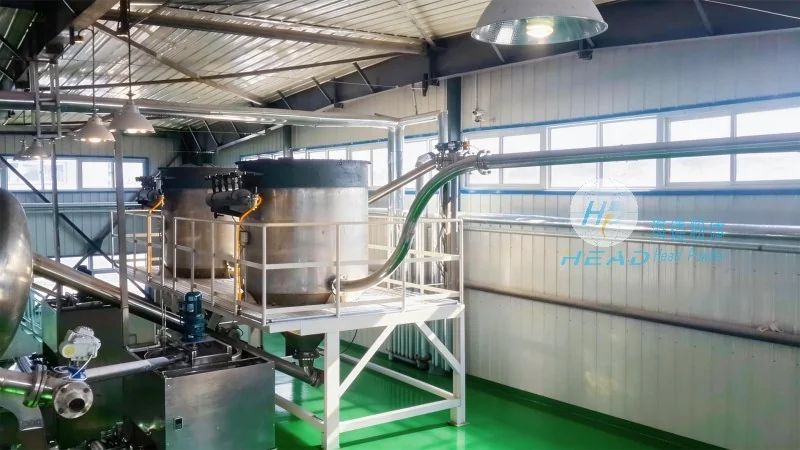
Working Scene Characteristics of Conveying Systems
The working scene characteristics of positive electrode material powder conveying systems are tailored to the specific requirements of battery manufacturing environments. These systems are typically installed in cleanroom or controlled environments to minimize contamination and ensure product quality. The design of the conveying lines and equipment is optimized for high throughput and low maintenance, which is crucial for continuous production operations. Additionally, the systems are equipped with safety features such as dust collection and explosion-proof mechanisms to protect both personnel and equipment. The working scene also includes integration with other production equipment, such as mixing and coating machines, to create a seamless production line. The characteristics of the working scene, including temperature control and humidity management, are carefully considered to maintain the stability of the powder properties throughout the conveying process. For example, in high-speed production lines, the conveying system must handle large volumes of material without compromising speed or accuracy, while in research and development settings, the system may need to accommodate smaller batch sizes and more precise control over material flow.
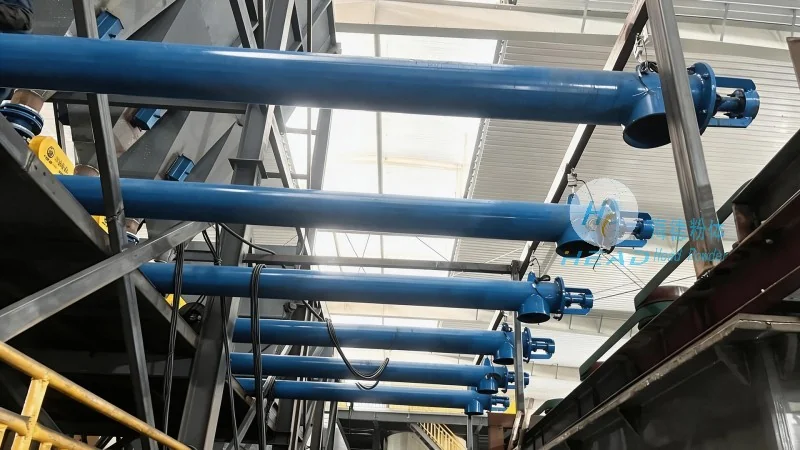
Key Features and Advantages of HeadPowder's Systems
HeadPowder's positive electrode material powder conveying systems offer several key features that enhance operational efficiency and product quality. One of the primary advantages is the integration of advanced control systems that allow for real-time monitoring and adjustment of the conveying process. This enables operators to optimize parameters such as air pressure, flow rate, and material feed rate to achieve the best performance. The systems also incorporate materials that are resistant to corrosion and wear, ensuring long-term durability and minimal downtime. Another important feature is the ability to handle a wide range of powder types, from fine powders with high moisture content to more abrasive materials. This versatility makes HeadPowder's systems suitable for various applications within the battery manufacturing industry. Furthermore, the systems are designed with modular components, allowing for easy installation, maintenance, and scalability as production needs evolve. The company's expertise in customizing solutions ensures that each system is tailored to the specific requirements of the client, whether it is for a new plant or an upgrade to an existing facility.
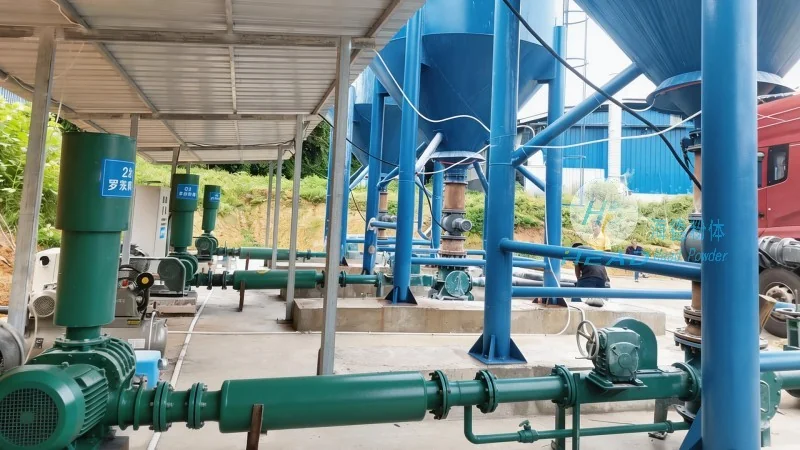
Application Scenarios and Performance Metrics
Positive electrode material powder conveying systems are applied in multiple stages of battery production, including raw material handling, mixing, coating, and packaging. In the raw material handling stage, the system efficiently transports raw materials from storage to the production line, reducing manual handling and associated risks. During the mixing process, the conveying system ensures uniform distribution of materials, which is critical for achieving consistent battery performance. In the coating stage, the system delivers the electrode material to the coating machine at a controlled rate, enabling precise thickness control of the electrode. The performance of these systems is typically measured by metrics such as throughput capacity, material loss, and system reliability. High-performance systems can achieve throughput rates of several tons per hour while maintaining low material loss and minimal downtime. The reliability of the system is also a key factor, with many HeadPowder systems operating with uptime exceeding 99% in industrial settings. These performance metrics are achieved through robust design, quality materials, and rigorous testing, ensuring that the systems meet the demanding requirements of modern battery production.
Conclusion and Future Trends
Positive electrode material powder conveying systems are indispensable in the battery manufacturing industry, providing the necessary infrastructure for efficient and reliable material handling. HeadPowder's expertise in designing and manufacturing these systems has enabled it to become a leading provider in the market. The company's commitment to innovation and customer satisfaction ensures that its systems continue to meet the evolving needs of the battery industry. As battery technology advances and production scales up, the demand for more efficient and reliable conveying solutions will only increase. HeadPowder is positioned to meet these future challenges with its continued investment in research and development, focusing on improving system performance, reducing energy consumption, and enhancing safety features. The future of positive electrode material powder conveying systems lies in integration with advanced automation and data analytics, enabling smarter, more responsive production lines that can adapt to changing production demands and improve overall operational efficiency.