

Principles and Operational Characteristics of Bulk Powder Handling Equipment for Ship Loading and Un
HeadPowder, a leading engineering company based in Shandong, China, specializes in the design, manufacturing, and integration of advanced bulk powder handling systems. This article explores the core principles underlying such equipment and highlights the key operational characteristics that define its application in ship loading and unloading scenarios.
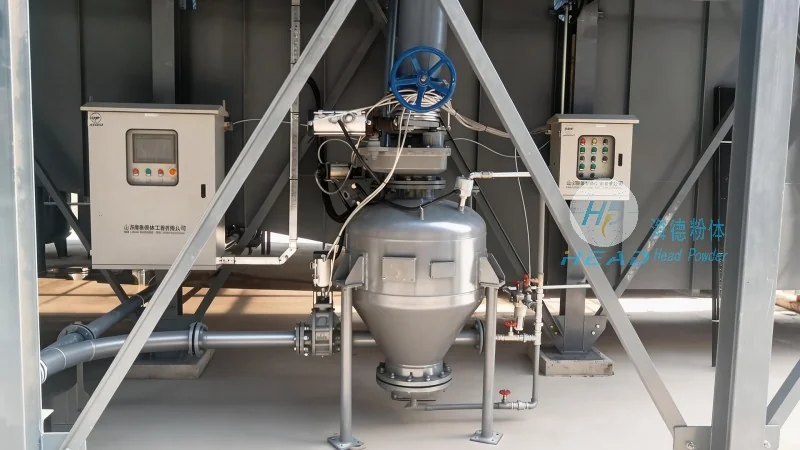
Understanding the Core Principles of Bulk Powder Handling Equipment
Bulk powder handling equipment for ship loading and unloading operates on several fundamental principles to ensure efficient and safe material transfer. The primary goal is to move large volumes of powders, such as cement, grain, or chemical powders, from a ship to a storage facility or vice versa. These systems typically rely on a combination of mechanical components, including conveyors, pneumatic systems, and sometimes hydraulic mechanisms. The design must account for the unique properties of powders—like flowability, cohesion, and dust generation—to prevent blockages, ensure consistent flow, and maintain operational safety.
One of the critical principles is the use of airtight and sealed systems to control dust and prevent material loss. This is particularly important for hazardous or valuable powders, as it ensures environmental compliance and operational efficiency. The equipment also incorporates features like adjustable speed controls, which allow operators to modulate the flow rate based on the material's characteristics and the system's load capacity. This adaptability is essential for handling a wide range of powders with varying properties.
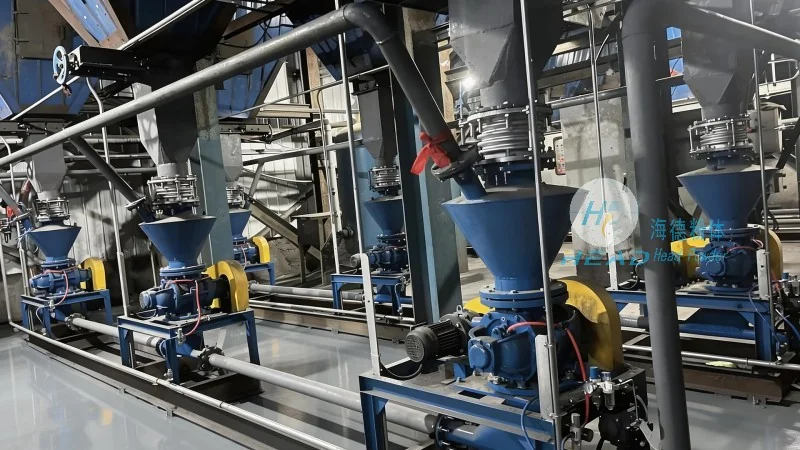
Key Operational Characteristics in Ship Loading and Unloading Scenarios
The operational characteristics of bulk powder handling equipment in ship loading and unloading contexts are tailored to the specific demands of maritime operations. These systems are designed to handle the high volumes and continuous flow required by modern shipping, where time and efficiency are paramount. A key characteristic is the ability to handle large quantities of material in a short period, often operating 24/7 to meet tight schedules. The equipment must also be robust enough to withstand the harsh marine environment, including exposure to saltwater, temperature fluctuations, and mechanical stress.
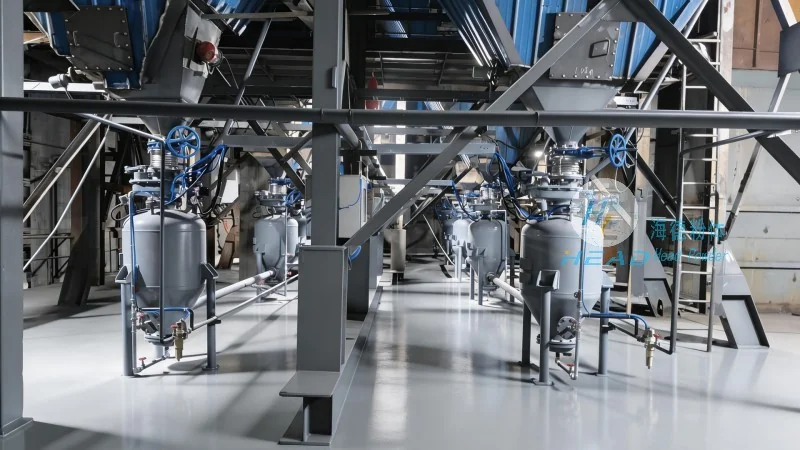
Another important operational characteristic is the integration with existing infrastructure. Many ship loading and unloading operations involve connecting the equipment to existing storage silos, pipelines, or other handling systems. The equipment must be compatible with these existing components to minimize downtime and ensure seamless operation. This integration also includes features like automated controls and monitoring systems, which allow for real-time tracking of material flow and system performance. Such capabilities enhance operational reliability and enable quick troubleshooting if issues arise.
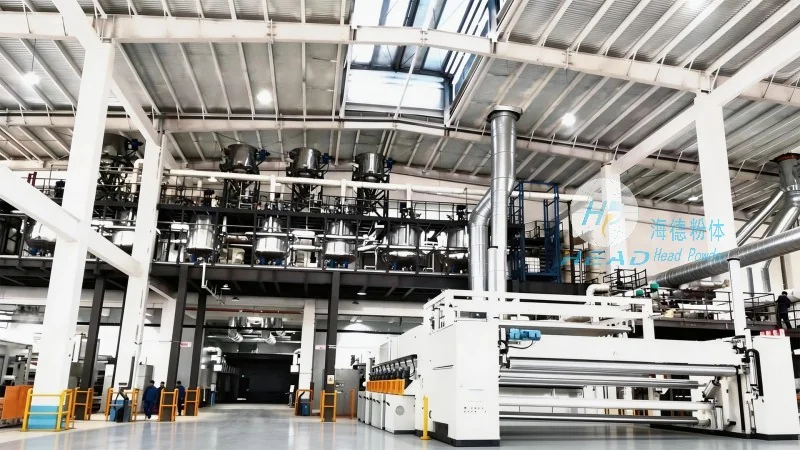
Application Examples and Industry Relevance
Bulk powder handling equipment for ship loading and unloading is widely used across various industries, including the cement, agriculture, and chemical sectors. For instance, in the cement industry, these systems are crucial for transferring raw materials and finished products between ships and storage facilities. The equipment's ability to handle high volumes and maintain material integrity is vital for meeting production demands and ensuring quality control. Similarly, in the agricultural sector, it is used for loading and unloading grain from ships to silos, supporting global food supply chains.
The operational characteristics of such equipment, including its efficiency, reliability, and adaptability, make it an indispensable asset in modern logistics. By understanding the core principles and operational features, stakeholders can make informed decisions about implementing or upgrading bulk powder handling systems for their specific ship loading and unloading needs. This ensures optimal performance, cost-effectiveness, and compliance with industry standards.