HeadPowder, a leading manufacturer based in Shandong, China, specializes in the design, development, and production of advanced vacuum powder feeding and conveying systems. These systems are engineered to efficiently handle a wide range of powders and bulk materials, ensuring reliable and consistent material transfer in industrial applications.
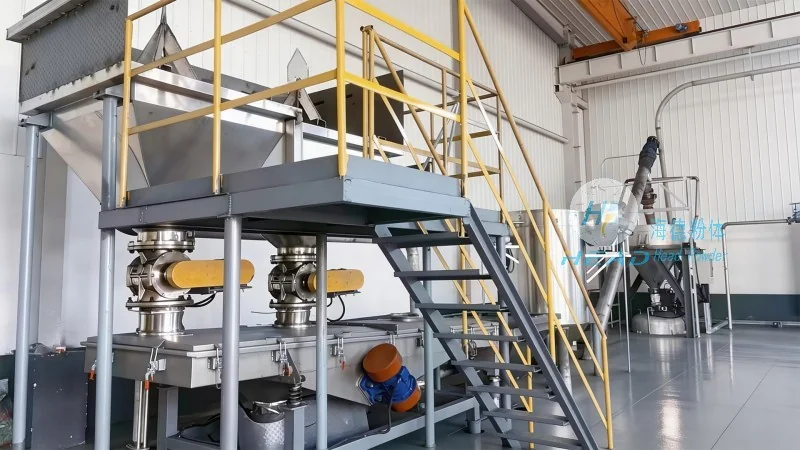
Overview of Vacuum Powder Feeding and Conveying Equipment
Vacuum powder feeding and conveying equipment represents a sophisticated solution for material handling in various industries. The core principle of this technology involves creating a controlled vacuum environment to draw powders from a source, such as a hopper or storage container, and transporting them to the desired destination, like a processing unit or storage tank. This method offers several advantages over traditional mechanical conveying systems, including reduced dust emissions, improved material containment, and enhanced safety for operators.
The Working Principle of Vacuum Powder Conveying Systems
The operation of a vacuum powder feeding system is based on the fundamental physics of air movement and pressure differentials. At its heart, the system comprises several key components: a vacuum pump, a material feed hopper, a conveying pipeline, and a discharge unit. The vacuum pump generates a negative pressure within the pipeline, which creates a pressure differential between the hopper and the pipeline. As a result, the powder is drawn from the hopper into the pipeline under the influence of the vacuum, where it is then transported to the discharge point. The system typically includes a filter or cyclone separator to prevent dust from escaping into the environment, ensuring compliance with environmental regulations and maintaining a clean working environment.
Key Features and Technical Advantages
HeadPowder's vacuum powder feeding and conveying equipment is designed with several key features that enhance its performance and reliability. One of the primary advantages is the ability to handle a wide variety of powders, including fine, cohesive, or abrasive materials, without the need for additional conditioning or pre-treatment. The system's flexible pipeline design allows for easy installation and integration into existing production lines, minimizing downtime and installation costs. Additionally, the vacuum operation reduces the risk of material spillage and cross-contamination, which is particularly important in industries such as pharmaceuticals, food processing, and chemical manufacturing.
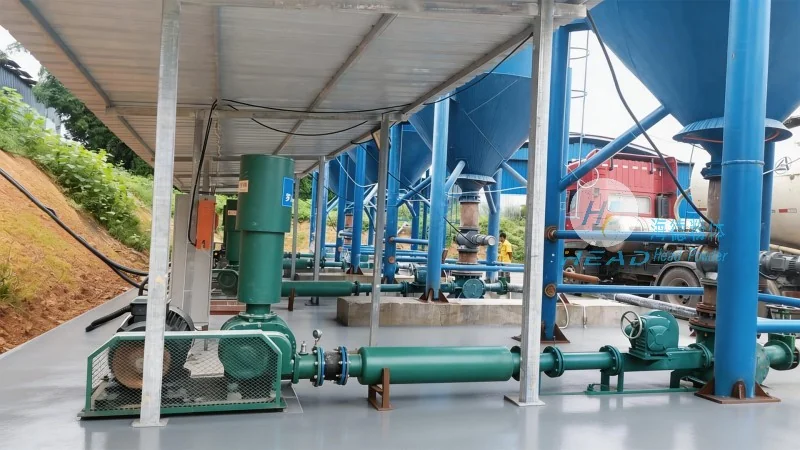
Common Application Scenarios
Vacuum powder feeding and conveying systems are widely used across multiple industrial sectors due to their versatility and efficiency. In the pharmaceutical industry, these systems are employed to transport active pharmaceutical ingredients (APIs) and excipients with high precision, ensuring that the material is handled in a sterile and controlled manner. In the food processing industry, they are used to convey ingredients like flour, sugar, and spices, maintaining product quality and preventing contamination. The chemical industry utilizes vacuum conveying for the handling of powders such as catalysts, pigments, and reagents, where consistent material flow is critical for process efficiency. Furthermore, in the plastics and ceramics sectors, these systems are essential for transporting raw materials to processing equipment, ensuring a steady supply of material for production.
Advantages Over Traditional Conveying Methods
Compared to traditional mechanical conveying methods, such as screw conveyors or belt conveyors, vacuum powder feeding systems offer several distinct advantages. The most significant benefit is the reduction in dust generation and improved material containment. Vacuum systems effectively capture and filter dust, preventing it from escaping into the workplace and reducing the risk of respiratory issues for operators. Additionally, the absence of moving parts in the conveying pipeline reduces maintenance requirements and extends the lifespan of the equipment. The system's ability to handle a wide range of materials, including those that are difficult to convey mechanically, makes it a preferred choice for many industries. Furthermore, the controlled vacuum environment ensures that the material is transported gently, minimizing degradation or agglomeration, which is crucial for maintaining product quality.
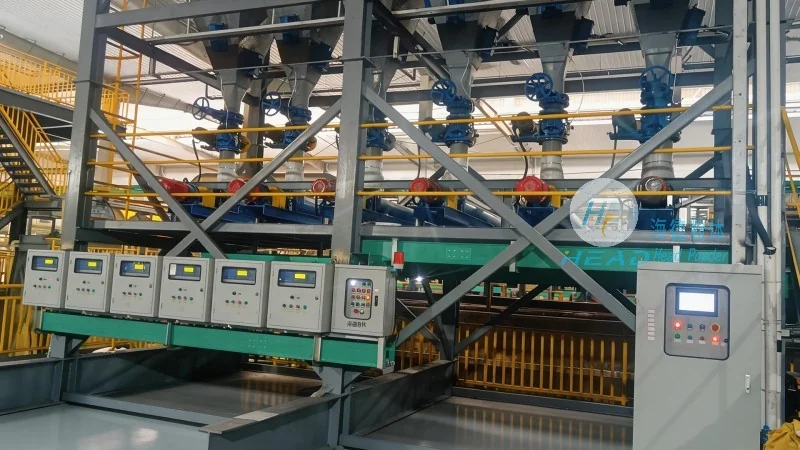
Installation and Integration Considerations
When integrating a vacuum powder feeding system into an existing production line, several factors must be considered to ensure optimal performance. The first step is to assess the material characteristics, including particle size, moisture content, and flowability, to select the appropriate system configuration. The system's layout, including the length and diameter of the pipeline, the number of bends, and the placement of the vacuum pump and filter, must be carefully planned to minimize pressure drop and ensure efficient material transport. Proper sealing of all connections is critical to maintain the vacuum and prevent leaks, which could compromise the system's performance. Additionally, the system should be equipped with monitoring and control features, such as pressure sensors and flow meters, to allow for real-time adjustment and troubleshooting. HeadPowder provides comprehensive support during the installation process, including on-site consultation and training for operators to ensure that the system is operated correctly and efficiently.
Maintenance and Operational Tips
Regular maintenance is essential to ensure the long-term performance and reliability of a vacuum powder feeding system. The vacuum pump, filter, and pipeline components require periodic inspection and cleaning to prevent clogging and maintain optimal operation. The filter, in particular, should be checked and replaced regularly to avoid excessive pressure drop, which can reduce the system's conveying capacity. The material feed hopper should be kept clean to prevent material buildup and ensure consistent feeding. Additionally, the system should be operated within the recommended parameters, such as the maximum vacuum level and material flow rate, to avoid overloading the pump and causing damage. By following these maintenance and operational guidelines, users can maximize the lifespan of their equipment and minimize downtime.
Conclusion
HeadPowder's vacuum powder feeding and conveying equipment offers a reliable and efficient solution for material handling in a wide range of industrial applications. By leveraging the principles of vacuum technology, these systems provide superior performance compared to traditional mechanical conveying methods, with advantages including reduced dust emissions, improved material containment, and enhanced safety. The equipment is designed to handle diverse materials and is easily integrated into existing production lines, making it a versatile choice for industries such as pharmaceuticals, food processing, chemicals, plastics, and ceramics. With proper installation, maintenance, and operation, these systems can significantly improve process efficiency and product quality, contributing to the overall success of industrial operations.




