

Principle and Working Scene Characteristics of Intelligent Weighing Powder Conveying System
Intelligent weighing powder conveying systems represent a sophisticated technological solution designed to enhance the efficiency and accuracy of powder handling processes in industrial applications. These systems integrate advanced weighing technology with automated material transport mechanisms, providing a reliable method for managing bulk powders with precision. The core of such systems lies in their ability to measure and control the flow of powders in real-time, ensuring consistent quality and operational safety.
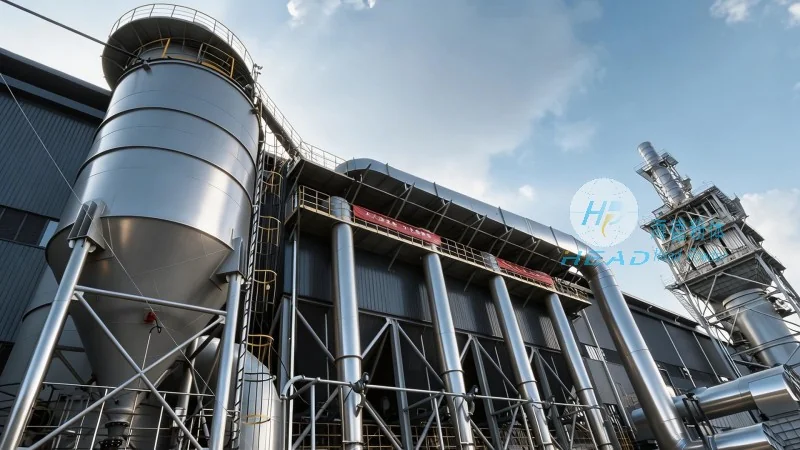
Core Principles of the System
The fundamental principle of an intelligent weighing powder conveying system is the integration of a high-precision load cell or sensor with a conveyor mechanism. The load cell continuously monitors the weight of the material being conveyed, while the conveyor transports the powder from the source to the destination. This closed-loop system allows for immediate adjustments to the conveying rate based on the weight feedback, preventing overfilling or underfilling. The system typically operates on a feedback control loop, where the control unit processes the weight data and adjusts the motor speed or flow control valves to maintain the desired mass flow rate. This principle ensures that the system can handle a wide range of powder types, from fine powders to bulk materials, with minimal variation in density or flow characteristics.
Key Components and Their Functions
Several critical components work in tandem to ensure the effective operation of the intelligent weighing powder conveying system. The primary components include: (1) a load cell or weighing sensor, which provides accurate weight measurements; (2) a conveyor system, such as a screw conveyor, belt conveyor, or pneumatic conveyor, which transports the powder; (3) a control unit, which processes the weight data and sends control signals to the conveyor; (4) a flow control valve or regulator, which adjusts the material flow rate; and (5) a display or monitoring interface, which allows operators to view real-time weight and operational data. Each component plays a vital role in maintaining the system's performance and reliability. For instance, the load cell must be calibrated regularly to ensure accurate measurements, while the conveyor must be designed to handle the specific properties of the powder, such as its abrasiveness or moisture content. The control unit often incorporates advanced algorithms to optimize the conveying process, such as PID (Proportional-Integral-Derivative) control, which helps in maintaining stable flow rates despite fluctuations in the material's properties.
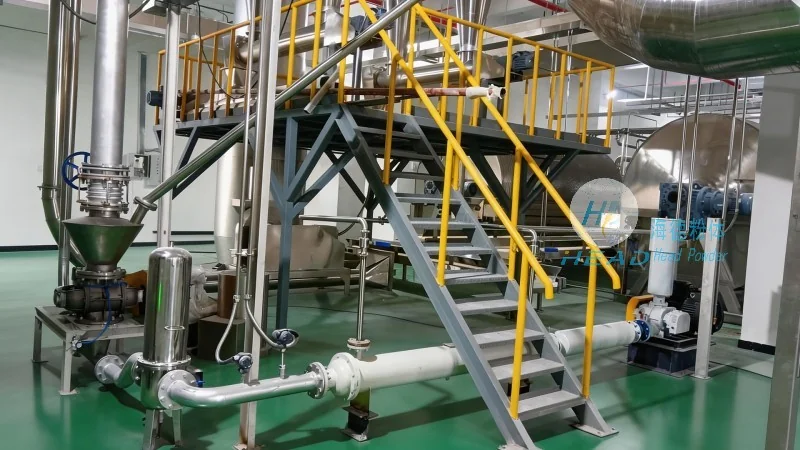
Working Scene Characteristics: Industrial Applications
The intelligent weighing powder conveying system is widely used in various industrial sectors where precise powder handling is essential. The working scene characteristics of these systems are tailored to meet the specific demands of each application, ensuring optimal performance and efficiency. Some common working scenarios include:
1. Pharmaceutical Manufacturing: In pharmaceutical plants, the system is used to convey raw materials like active pharmaceutical ingredients (APIs) and excipients with high precision. The strict quality control requirements in this industry demand that the system can handle small batches of powders with minimal contamination and accurate dosing. The intelligent weighing system ensures that each batch is weighed accurately, preventing variations in drug dosage and maintaining compliance with regulatory standards.
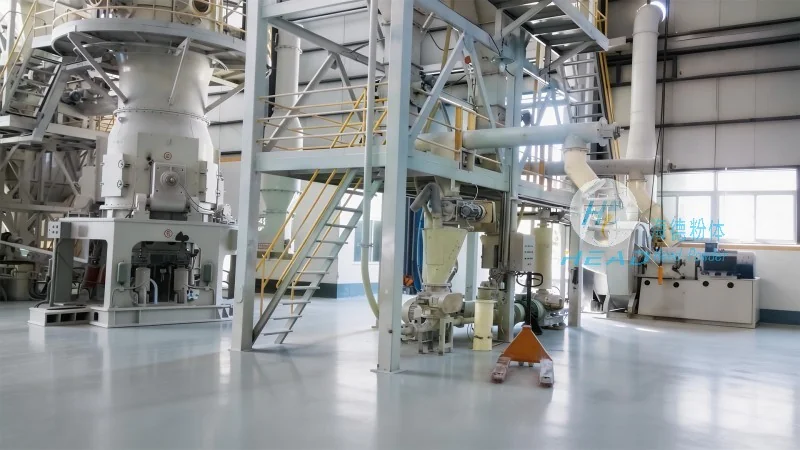
2. Food and Beverage Industry: For food processing facilities, the system is used to transport ingredients like flour, sugar, and spices. The system's ability to measure and control the flow of these materials is crucial for maintaining consistent product quality and preventing cross-contamination. The intelligent weighing feature allows for precise dosing, which is essential for maintaining the flavor and texture of food products. Additionally, the system's hygienic design ensures that it can be easily cleaned and sanitized, meeting the stringent hygiene standards of the food industry.
3. Chemical and Petrochemical Plants: In chemical manufacturing, the system is used to convey raw materials like powders, granules, and bulk chemicals. The system's robust construction and advanced weighing technology make it suitable for handling abrasive and corrosive materials. The intelligent control system ensures that the conveying process is safe and efficient, preventing accidents such as overfilling or material blockages. The system's ability to handle high volumes of material also makes it ideal for large-scale chemical production.
4. Construction Materials Production: For cement and other construction material manufacturers, the system is used to transport raw materials like limestone, clay, and gypsum. The system's ability to handle large quantities of bulk materials with high accuracy is essential for maintaining the quality of the final product. The intelligent weighing feature allows for precise blending of the materials, which is crucial for achieving the desired strength and durability of the construction materials.
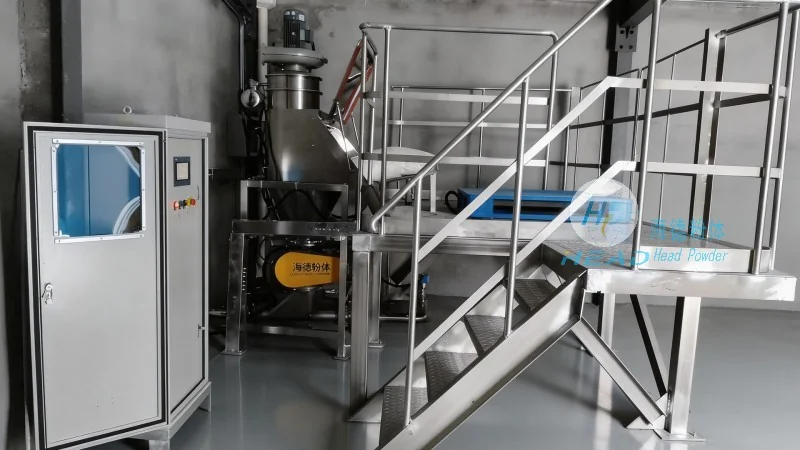
Advantages of Intelligent Weighing Powder Conveying Systems
Intelligent weighing powder conveying systems offer several advantages over traditional conveying methods. The primary advantage is the enhanced accuracy and consistency in material handling. By continuously monitoring the weight of the material, the system can maintain a stable flow rate, reducing variations in the final product. This leads to improved product quality and reduced waste. Another advantage is the increased operational efficiency. The system's automated control reduces the need for manual intervention, allowing operators to focus on other tasks. The real-time monitoring feature also enables quick detection of any issues, such as blockages or overfilling, allowing for immediate corrective action. Additionally, the system's ability to handle a wide range of powder types makes it versatile and suitable for various industrial applications. The integration of advanced technology, such as PID control and data logging, further enhances the system's performance and provides valuable insights for process optimization.
Conclusion
Intelligent weighing powder conveying systems are a critical component in modern industrial operations, providing a reliable and efficient method for handling bulk powders with precision. The system's ability to integrate advanced weighing technology with automated conveying mechanisms ensures that it can meet the demanding requirements of various industries, including pharmaceuticals, food and beverage, chemicals, and construction materials. By maintaining consistent weight and flow rates, these systems enhance product quality, reduce waste, and improve operational efficiency. As industrial processes continue to evolve, the demand for such intelligent systems will likely increase, making them an essential tool for manufacturers seeking to optimize their operations and maintain competitiveness in the market.