

What Are Bone Meal Material Handling Equipment? And What Are Their Design Principles?
Welcome to Shandong HeadPowder Engineering Co., Ltd., a leading manufacturer specializing in bone meal material handling equipment. Our company, based in Shandong, China, provides comprehensive solutions for the efficient transportation and processing of bone meal, a crucial ingredient in the animal feed and fertilizer industries. This article explores the nature of bone meal material handling equipment and delves into the fundamental design principles that underpin their functionality.
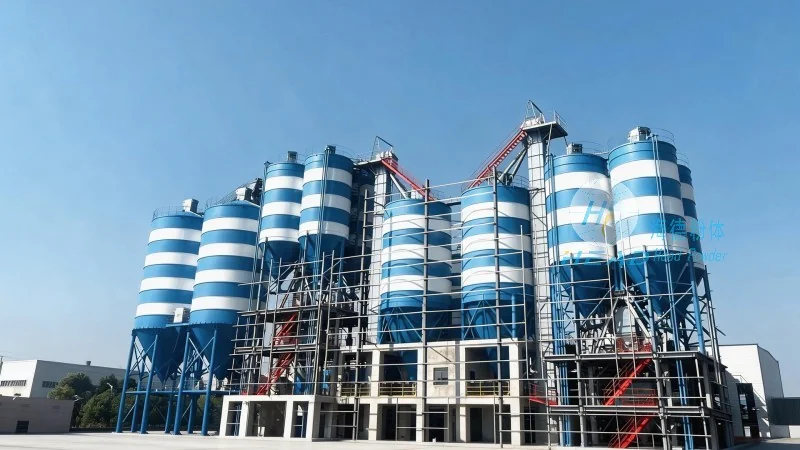
Bone Meal Material Handling Equipment: An Overview
Bone meal is a high-nutrient byproduct derived from the processing of animal bones, commonly used as a protein source in animal feed and as a natural fertilizer. The efficient handling of bone meal requires specialized equipment designed to manage its unique physical properties, such as its granular or powdery texture, potential moisture content, and varying particle sizes. Bone meal material handling equipment encompasses a range of machinery, including conveyors, elevators, and storage systems, all engineered to ensure safe, reliable, and hygienic material transport. These systems are critical for optimizing production workflows in facilities that process bone meal, from raw bone reception to final product packaging.
The Core Design Principles of Bone Meal Material Handling Equipment
The design of bone meal material handling equipment is guided by several key principles aimed at maximizing efficiency, safety, and durability. First, the equipment must be constructed from materials resistant to corrosion and wear, as bone meal can be abrasive and may contain acidic compounds that could degrade standard metal components. Stainless steel and corrosion-resistant alloys are commonly used in the fabrication of hoppers, chutes, and conveyor belts to ensure long-term reliability. Second, the design prioritizes hygienic operation, as bone meal is often used in food and animal feed applications where contamination must be strictly avoided. Smooth, non-porous surfaces and easy-to-clean components are integral to the design, minimizing the risk of bacterial growth and ensuring compliance with industry standards.
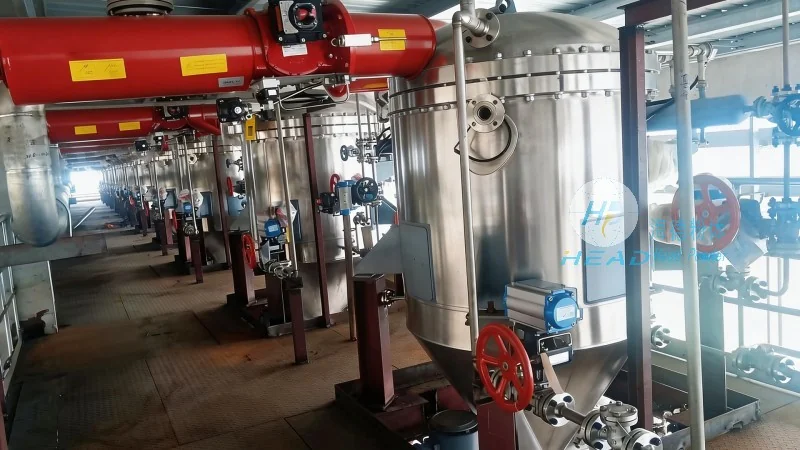
Third, the equipment is engineered for efficient material flow, considering the specific characteristics of bone meal. For instance, the angle of inclination in conveyor belts and chutes is carefully calculated to prevent material buildup or clogging, which can occur due to the fine particle size and potential stickiness of bone meal. Variable speed drives and adjustable controls allow operators to optimize the flow rate based on the material's properties and production demands. Additionally, the design incorporates features to handle variations in bone meal moisture content, such as moisture sensors and adjustable drying sections, ensuring consistent material handling performance under different conditions.
Key Components and Their Functionality
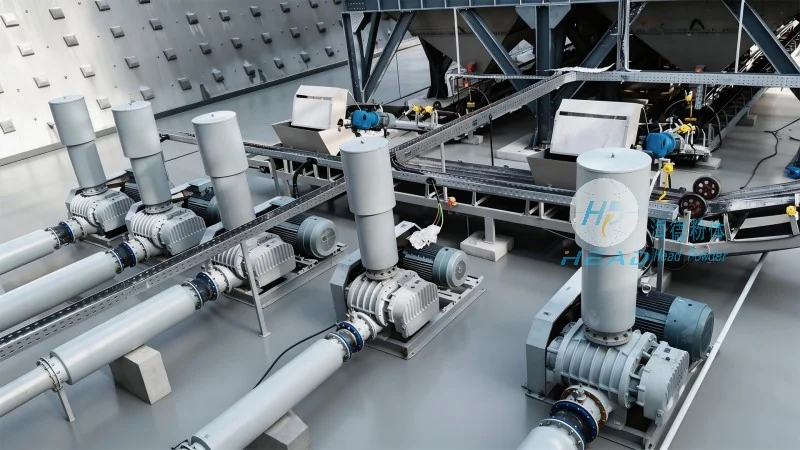
Bone meal material handling equipment typically consists of several interconnected components, each playing a vital role in the overall system. The primary components include feed hoppers, which receive and store raw bone meal; conveyor systems, such as belt conveyors or screw conveyors, which transport the material horizontally or vertically; and elevators, which lift the material to higher levels for further processing or storage. Storage silos or bins are also integral, providing a buffer to regulate material flow and prevent overloading of downstream equipment. Each component is designed with the specific needs of bone meal in mind, ensuring seamless integration and optimal performance.
Applications and Industry Impact
Bone meal material handling equipment is widely used in the animal feed and fertilizer sectors, where consistent and efficient processing of bone meal is essential for maintaining product quality and production efficiency. In animal feed facilities, these systems ensure that bone meal is delivered to mixing equipment in a controlled manner, preventing dust generation and maintaining product integrity. In fertilizer production, the equipment facilitates the blending of bone meal with other nutrients, enabling the creation of high-quality organic fertilizers. The reliability of bone meal material handling equipment directly impacts the overall productivity of these industries, as any downtime or inefficiency can lead to significant losses.
Conclusion
Shandong HeadPowder Engineering Co., Ltd. specializes in the design and manufacturing of bone meal material handling equipment, adhering to the core principles of durability, hygiene, and efficiency. Our equipment is engineered to meet the unique challenges of handling bone meal, ensuring safe and reliable operation in various industrial settings. By understanding the design principles and components of bone meal material handling equipment, industries can optimize their production processes and enhance the quality of their final products. With our expertise and commitment to quality, we provide tailored solutions that meet the specific needs of our clients, supporting their success in the animal feed and fertilizer markets.