

What is a Sodium Chlorate Material Handling System? What Are Its Design Principles?
Sodium chlorate is a critical chemical compound widely used in various industrial processes, including pulp and paper production, textile dyeing, and water treatment. Efficient and safe material handling of sodium chlorate is paramount to ensure operational efficiency, maintain product quality, and adhere to stringent safety regulations. This article explores the fundamental aspects of sodium chlorate material handling systems, detailing their design principles and the key considerations that engineers and industry professionals must address when implementing such systems.
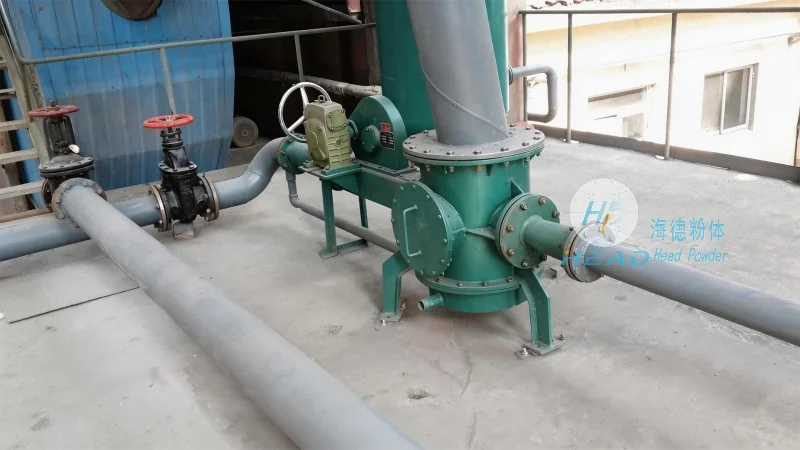
About HeadPowder: A Leading Provider of Chemical Handling Solutions
HeadPowder, formally known as Shandong HeadPowder Engineering Co., Ltd., is a reputable company based in Shandong, China. With a strong commitment to innovation and safety, HeadPowder specializes in the design, manufacturing, and integration of advanced material handling systems for hazardous and specialty chemicals. The company’s expertise lies in developing customized solutions that meet the unique requirements of clients across diverse industries, ensuring reliable and secure material transport while optimizing operational performance.
Key Components of a Sodium Chlorate Material Handling System
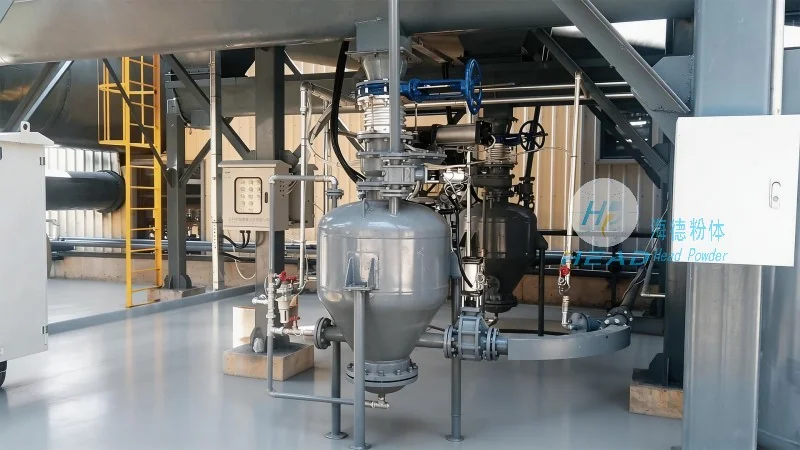
A typical sodium chlorate material handling system comprises several essential components, each designed to address specific challenges associated with the chemical’s properties. The system often includes bulk storage silos or tanks for initial containment, followed by transfer equipment such as conveyor belts, pneumatic conveyors, or screw conveyors to move the material from storage to processing units. For precise dosing and control, dosing pumps or feeders are integrated into the system, allowing for accurate measurement and addition of sodium chlorate to production processes. Additionally, safety features like explosion-proof designs, temperature monitoring systems, and emergency shut-off mechanisms are critical to mitigate risks associated with handling a potentially hazardous substance.
Design Principles for Safety and Efficiency
The design of a sodium chlorate material handling system follows several core principles aimed at balancing operational efficiency with stringent safety standards. First, the system must adhere to local and international safety regulations, including those related to hazardous material handling, to prevent accidents and ensure compliance. Second, the design emphasizes containment and leak prevention, using materials like stainless steel or specialized coatings that resist corrosion and chemical attack from sodium chlorate. Third, the system incorporates proper ventilation and dust control measures to minimize the risk of inhalation of airborne particles, which can be harmful to human health. Fourth, the integration of automation and control systems enables real-time monitoring of the process, allowing for quick response to deviations and enhancing overall system reliability.
Application Examples and Industry Impact
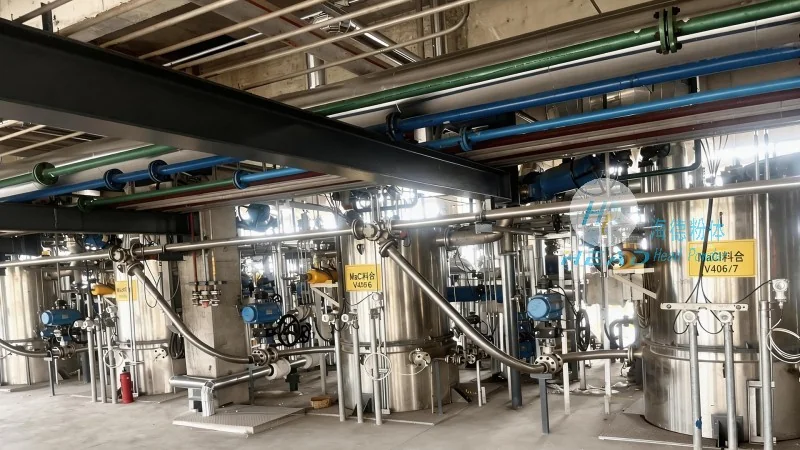
Sodium chlorate material handling systems are widely employed in industrial settings where the chemical is a key raw material. For instance, in the pulp and paper industry, sodium chlorate is used as an oxidizing agent in the bleaching process, and efficient handling systems ensure consistent quality of the final product. In the textile industry, it is utilized in dyeing processes to improve color fastness and brightness of fabrics. The reliability of these systems directly impacts production output, product quality, and overall operational costs for manufacturers. By optimizing material flow and minimizing downtime, such systems contribute significantly to the economic viability of industrial operations.
Conclusion: The Importance of Well-Designed Material Handling Systems
In conclusion, sodium chlorate material handling systems are integral to the safe and efficient operation of industries that rely on this chemical. The design principles outlined above—focusing on safety, containment, and automation—ensure that these systems not only meet regulatory requirements but also enhance productivity and reduce operational risks. Companies like HeadPowder play a vital role in providing tailored solutions that address the specific needs of clients, helping them achieve their production goals while maintaining the highest standards of safety and environmental responsibility.