For industrial operations dealing with potassium chloride (KCl), an efficient and reliable material handling system is crucial. This system is designed to manage the storage, transport, and processing of KCl, ensuring safety, efficiency, and compliance with operational standards. The design principles of such systems are tailored to meet the unique properties of potassium chloride, including its bulk nature, chemical stability, and handling requirements.
Key Components of a Potassium Chloride Material Handling System
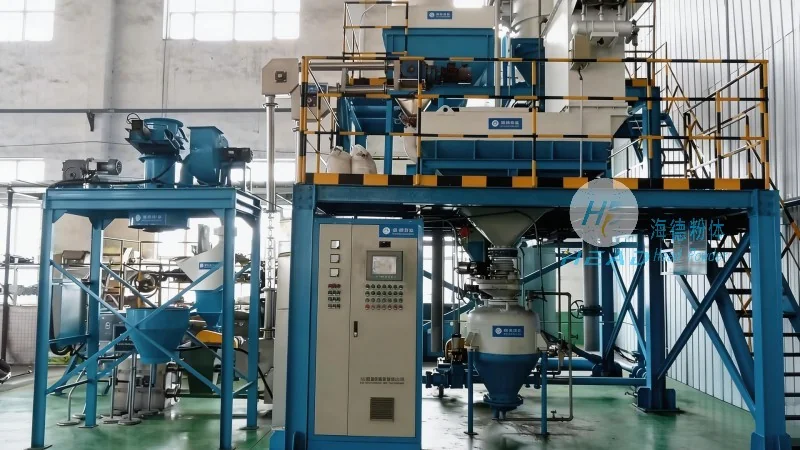
The core components of a potassium chloride material handling system typically include storage silos, conveying equipment, feeding mechanisms, and control systems. Storage silos are engineered to accommodate large volumes of KCl, often using corrosion-resistant materials like stainless steel or specialized coatings to prevent degradation. Conveying equipment, such as belt conveyors, screw conveyors, or pneumatic systems, transports the material from storage to processing areas. Feeding mechanisms, like rotary valves or gate valves, regulate the flow of KCl into downstream equipment, ensuring consistent and controlled delivery. Control systems integrate sensors and automation to monitor and adjust the system's performance, enhancing operational efficiency and safety.
Design Principles for Optimal Performance
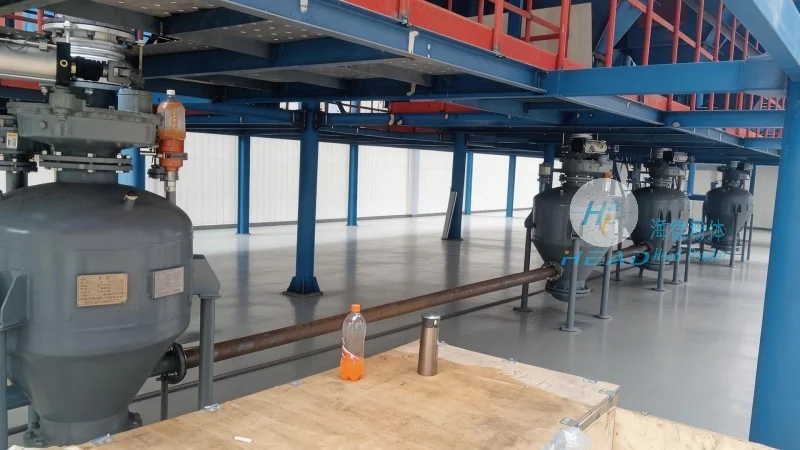
The design of a potassium chloride material handling system follows several key principles to ensure optimal performance. First, material compatibility is critical. The system components must be resistant to the chemical properties of KCl, which can be hygroscopic (absorbing moisture from the air) and abrasive. This requires the use of materials like stainless steel, rubber, or specialized coatings that can withstand wear and chemical exposure. Second, dust control is a major consideration. KCl is a fine powder that can generate significant dust during handling, posing health and safety risks. Therefore, dust suppression systems, such as enclosures, ventilation, and dust collection equipment, are integrated into the design to minimize airborne particles. Third, energy efficiency is a priority. The system is designed to minimize energy consumption through efficient conveying methods and automation, reducing operational costs. Fourth, safety and compliance are paramount. The system adheres to industry standards and regulations, including those related to material handling, dust control, and environmental protection, ensuring safe and legal operation.
Applications and Benefits of the System
Potassium chloride material handling systems are widely used in various industries, including agriculture, food processing, and chemical manufacturing. In agriculture, KCl is a key fertilizer, and the system ensures it is stored and transported safely to farms and distribution centers. In food processing, KCl is used as a food additive, and the system maintains its purity and quality during handling. In chemical manufacturing, KCl is used as a raw material for other products, and the system ensures it is processed efficiently and safely. The benefits of such a system include improved productivity, reduced downtime, enhanced safety, and lower operational costs.
About Shandong HeadPowder Engineering Co., Ltd.
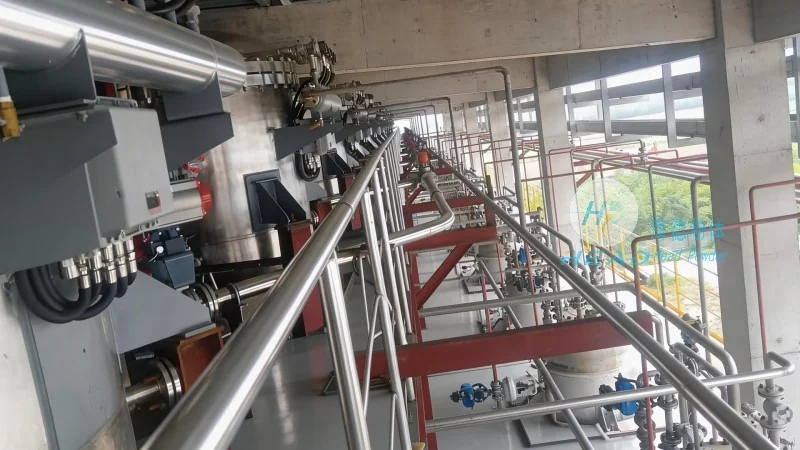
Shandong HeadPowder Engineering Co., Ltd. is a leading provider of material handling solutions, specializing in systems for bulk materials like potassium chloride. With years of experience in the industry, the company has developed a reputation for designing and manufacturing high-quality, reliable systems that meet the unique needs of its clients. The company's headquarters is located in Shandong, China, and it serves customers worldwide with customized solutions tailored to their specific requirements. Shandong HeadPowder Engineering Co., Ltd. is committed to providing innovative and efficient material handling solutions that enhance operational performance and safety.




