

Principle and Working Scenario Characteristics of Pneumatic Conveying for High-Alumina Fly Ash Mater
High-alumina fly ash, a byproduct commonly generated in power plants and cement production facilities, presents unique handling challenges due to its physical properties. Pneumatic conveying has emerged as an efficient and reliable method for transporting such materials over varying distances and within diverse industrial settings. This article explores the fundamental principles of pneumatic conveying for high-alumina fly ash and highlights the key characteristics of its application scenarios.
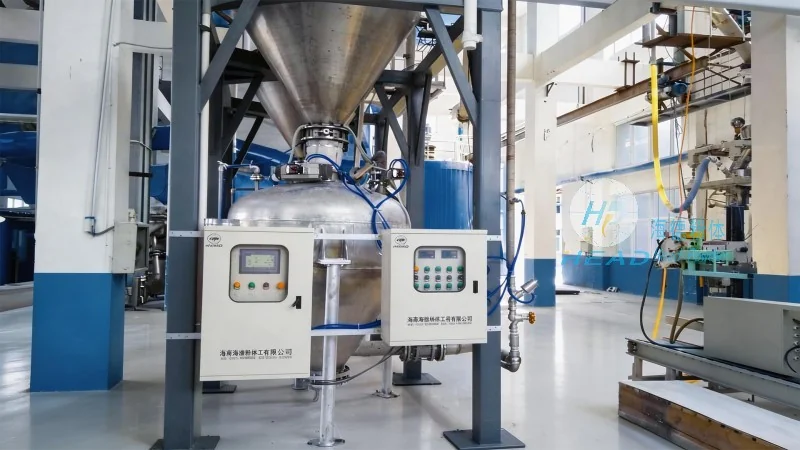
Principle of Pneumatic Conveying for High-Alumina Fly Ash
Pneumatic conveying operates by utilizing a stream of air to transport solid particles through a pipeline system. The process can be categorized into two main types: pressure and vacuum systems. In pressure systems, air is compressed and introduced at the material inlet, creating a high-pressure environment that propels the fly ash particles forward. Conversely, vacuum systems employ a vacuum pump to draw material from the source into the pipeline. For high-alumina fly ash, which often has a fine particle size and cohesive nature, the selection of the appropriate conveying system is critical to ensure efficient transport and minimize material degradation.
The core mechanism involves the interaction between the air velocity and the particle size, density, and shape. The air velocity must be sufficient to overcome the gravitational force and the frictional resistance within the pipeline, while also preventing particle deposition or blockage. In high-alumina fly ash applications, factors such as moisture content, particle agglomeration, and the presence of entrained gases can significantly impact the conveying performance. Advanced control systems and specialized equipment, such as rotary valves, cyclone separators, and filter bags, are often integrated to optimize the conveying process and maintain material quality.
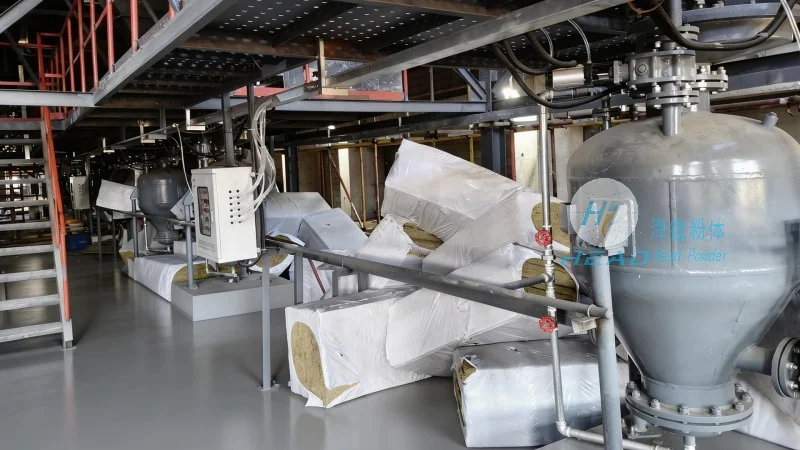
Working Scenario Characteristics of High-Alumina Fly Ash Pneumatic Conveying
The application of pneumatic conveying for high-alumina fly ash is characterized by several distinct working scenarios, each tailored to specific industrial requirements. One common scenario involves the transport of fly ash from a boiler or storage silo to a processing facility, such as a cement kiln or a fly ash utilization plant. In this scenario, the conveying system must handle large volumes of material over long distances, often exceeding 100 meters, while maintaining consistent flow rates and preventing dust emissions.
Another typical scenario is the internal handling within a power plant or a cement production line, where high-alumina fly ash is transferred between different processing units, such as from a fly ash collection system to a storage silo or to a blending area. These internal conveying applications often require high-precision control to ensure uniform material distribution and avoid operational disruptions. The working environment in these scenarios is typically characterized by high temperatures, high humidity, and the presence of corrosive gases, necessitating robust and corrosion-resistant materials for the conveying equipment.
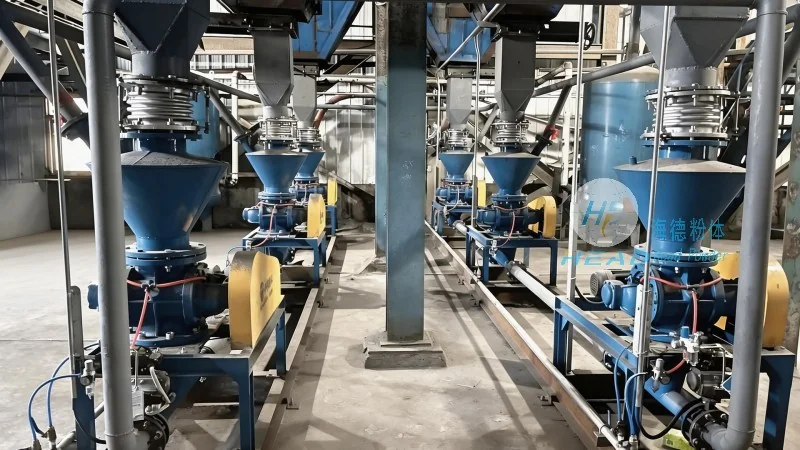
A third scenario involves the transportation of high-alumina fly ash to off-site disposal or utilization sites, where the conveying distance may be several kilometers. In such long-distance applications, the efficiency of the pneumatic system becomes paramount, as energy consumption and material loss must be minimized. The selection of the conveying velocity, pipeline diameter, and air pressure is critical to achieve optimal performance over extended distances. Additionally, the system must be designed to handle potential variations in material flow, such as fluctuations in fly ash production rates or changes in particle size distribution.
Key Considerations for High-Alumina Fly Ash Pneumatic Conveying Systems
When implementing pneumatic conveying systems for high-alumina fly ash, several key considerations must be addressed to ensure reliable operation and long-term performance. First, the material's physical properties, including particle size distribution, moisture content, and agglomerating tendency, must be thoroughly characterized. This information is essential for selecting the appropriate conveying velocity and system configuration. For example, high moisture content may lead to increased material stickiness and potential blockages, requiring the use of heated air or specialized agitators to maintain flow.
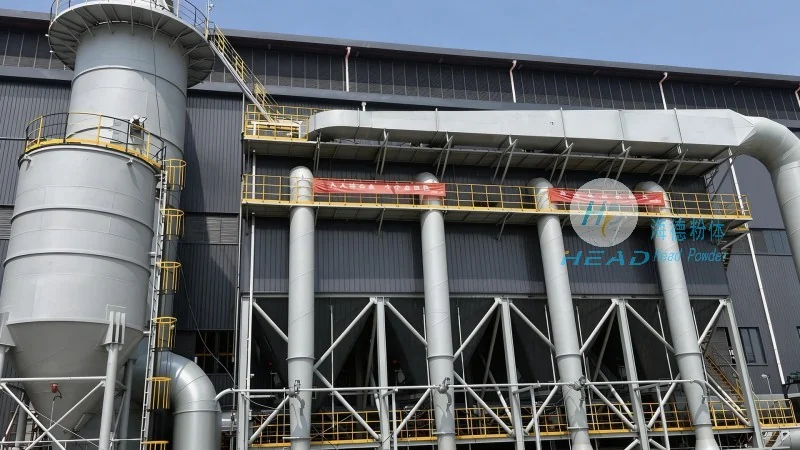
Second, the system design must account for the potential for dust generation and environmental compliance. High-alumina fly ash is a fine particulate material that can pose health and environmental risks if not properly contained. Therefore, the inclusion of dust collection systems, such as cyclone separators and bag filters, is crucial to prevent emissions and ensure regulatory compliance. The design of these systems must be optimized to handle the specific particle size and density of the fly ash, minimizing pressure drop and maximizing collection efficiency.
Third, the integration of advanced control technologies is vital for maintaining stable operation and optimizing energy consumption. Modern pneumatic conveying systems often incorporate sensors and control algorithms to monitor flow rates, pressure, and temperature in real-time. These systems can automatically adjust air pressure and velocity to compensate for changes in material flow or pipeline conditions, ensuring consistent performance and reducing energy waste. For instance, variable frequency drives (VFDs) can be used to regulate the speed of the air compressor, allowing for precise control of the conveying system's energy usage.
Conclusion
Pneumatic conveying represents a highly effective solution for the transport of high-alumina fly ash in various industrial applications. By understanding the fundamental principles of the process and the specific characteristics of the working scenarios, engineers and operators can design and operate efficient, reliable systems that meet the demands of modern industrial operations. The continuous advancements in pneumatic conveying technology, combined with the expertise of companies like Shandong HeadPowder Engineering Co., Ltd., ensure that high-alumina fly ash can be handled safely and efficiently, contributing to the sustainable utilization of this valuable byproduct.