

Principle and Working Scene Characteristics of High-Temperature Fine Powder Conveying Systems
HeadPowder, a leading provider of advanced material handling solutions, specializes in the design and implementation of high-temperature fine powder conveying systems. With a strong presence in Shandong, China, the company has established itself as a trusted partner for industries requiring efficient and reliable transport of fine powders under extreme temperature conditions. This article explores the core principles behind these systems and highlights the key characteristics of their application scenarios.
Company Profile and Expertise
HeadPowder Engineering Co., Ltd. is headquartered in Shandong, China, and has built a reputation for delivering cutting-edge engineering solutions tailored to the unique challenges of high-temperature powder handling. The company's team of experienced engineers and technicians brings decades of expertise in material science, mechanical engineering, and process automation, ensuring that each system is optimized for performance, durability, and safety. By focusing on innovation and customer-centric design, HeadPowder has become a go-to supplier for industries such as cement, metallurgy, and chemical processing, where the reliable transport of fine powders at elevated temperatures is critical to operational efficiency.
The Principle of High-Temperature Fine Powder Conveying
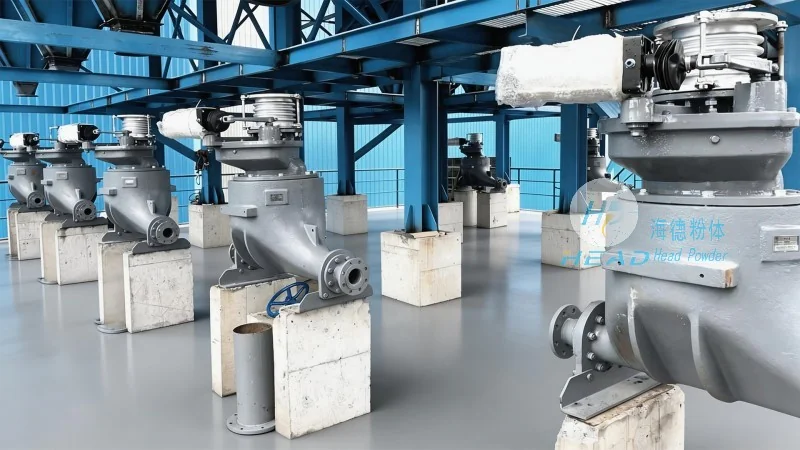
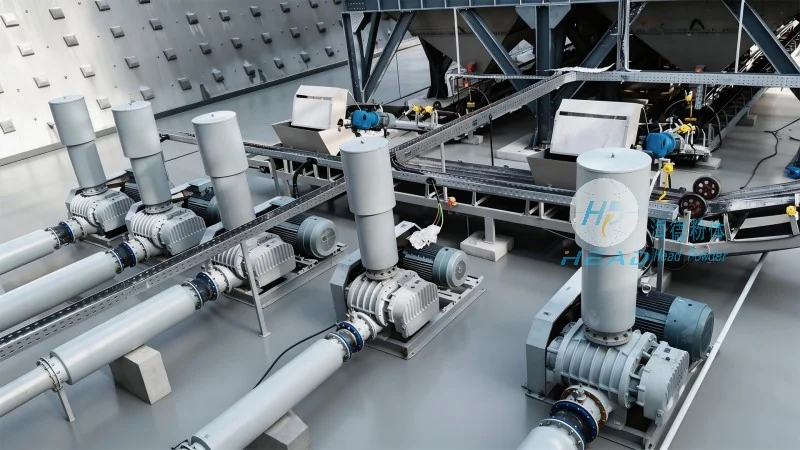
At the heart of a high-temperature fine powder conveying system lies a sophisticated combination of mechanical and pneumatic components designed to handle particles with diameters typically ranging from 10 to 200 microns while maintaining temperatures up to 800°C or higher. The primary principle involves the use of air or gas as the conveying medium, which is pressurized and directed through a network of pipes to transport the powder. This method, known as pneumatic conveying, offers several advantages over traditional mechanical systems, including reduced wear on equipment, lower maintenance requirements, and the ability to handle fine, abrasive powders without clogging or degradation.
The system typically consists of a hopper for material storage, a feeder to control the flow rate, a conveying line with appropriate fittings and bends, and a receiver for the discharged material. In high-temperature applications, specialized components such as heat-resistant seals, insulated piping, and temperature-controlled motors are integrated to prevent heat loss and ensure the system operates within safe temperature limits. The design also incorporates features like explosion-proofing and dust suppression to meet stringent safety standards, particularly in environments where combustible powders are handled.
Key Working Scene Characteristics
The application of high-temperature fine powder conveying systems is characterized by several distinct features that set them apart from conventional conveying solutions. First, the systems are engineered to operate in environments where temperatures are consistently high, often exceeding 500°C, which requires materials with exceptional thermal resistance and durability. This includes the use of stainless steel, heat-resistant alloys, and advanced insulation technologies to maintain structural integrity and prevent thermal stress.
Second, the fine particle size of the material (typically 10-200 μm) presents unique challenges related to flowability and dust control. The systems are designed with features such as agitators, vibrators, and air knives to prevent caking and ensure consistent material flow. Additionally, the conveying process is optimized to minimize particle degradation, which is crucial for maintaining the quality of the final product in industries like cement production, where the chemical composition of the powder is critical.
Third, the systems are tailored to specific industrial processes, each with its own operational demands. For example, in cement plants, the conveying of raw materials and clinker from high-temperature kilns to storage silos requires systems that can handle high flow rates and maintain temperature stability. In metallurgical applications, the transport of fine metal powders from sintering furnaces to processing lines demands precision control over particle size and temperature to ensure uniform material properties. These tailored solutions reflect the adaptability of HeadPowder's systems to meet the diverse needs of different industries.
Advantages and Performance Metrics
High-temperature fine powder conveying systems from HeadPowder offer several key advantages that enhance operational efficiency and safety. The pneumatic conveying method reduces the risk of material contamination compared to mechanical systems, as there is no direct contact between the powder and the conveying components. This is particularly important in pharmaceutical or food processing industries where product purity is paramount. Additionally, the systems are designed for low maintenance, with components that are easily accessible and replaceable, minimizing downtime and operational costs.
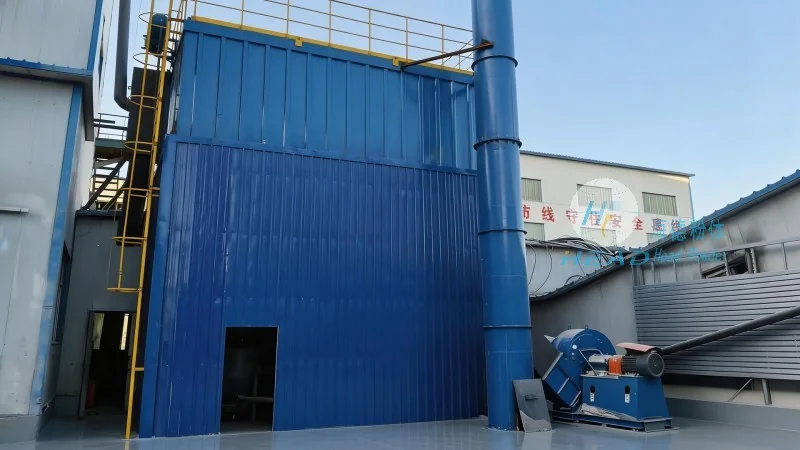
Performance metrics such as conveying capacity, pressure drop, and temperature control are carefully optimized to meet the specific requirements of each application. The systems can handle flow rates ranging from a few kilograms per hour to several tons per hour, depending on the system size and the material being transported. Temperature control is achieved through insulation and heat recovery systems, which not only maintain the material's temperature but also reduce energy consumption by minimizing heat loss. Safety features, including pressure relief valves, explosion-proof motors, and dust detection systems, are integrated to comply with international safety standards and protect personnel and equipment.
Conclusion and Future Trends
High-temperature fine powder conveying systems represent a critical technology for industries that rely on the efficient transport of fine materials under extreme conditions. HeadPowder Engineering Co., Ltd., with its headquarters in Shandong, China, has positioned itself as a leader in this field by combining advanced engineering with a deep understanding of industrial needs. The systems offered by the company are designed to deliver reliable performance, enhanced safety, and operational efficiency, making them an essential component of modern material handling processes. As industries continue to demand higher productivity and stricter safety standards, the importance of these systems will only grow, and HeadPowder remains committed to providing innovative solutions that meet the evolving challenges of the market.